
The Roots Traditional Cutting Boards and Their Timeless Appeal
Cutting boards have been a kitchen staple for thousands of years, evolving from simple stone slabs to the wooden boards many of us recognize today. Early civilizations used flat stones not just for cutting but as food prep surfaces, laying the foundation for what would become essential cooking tools.
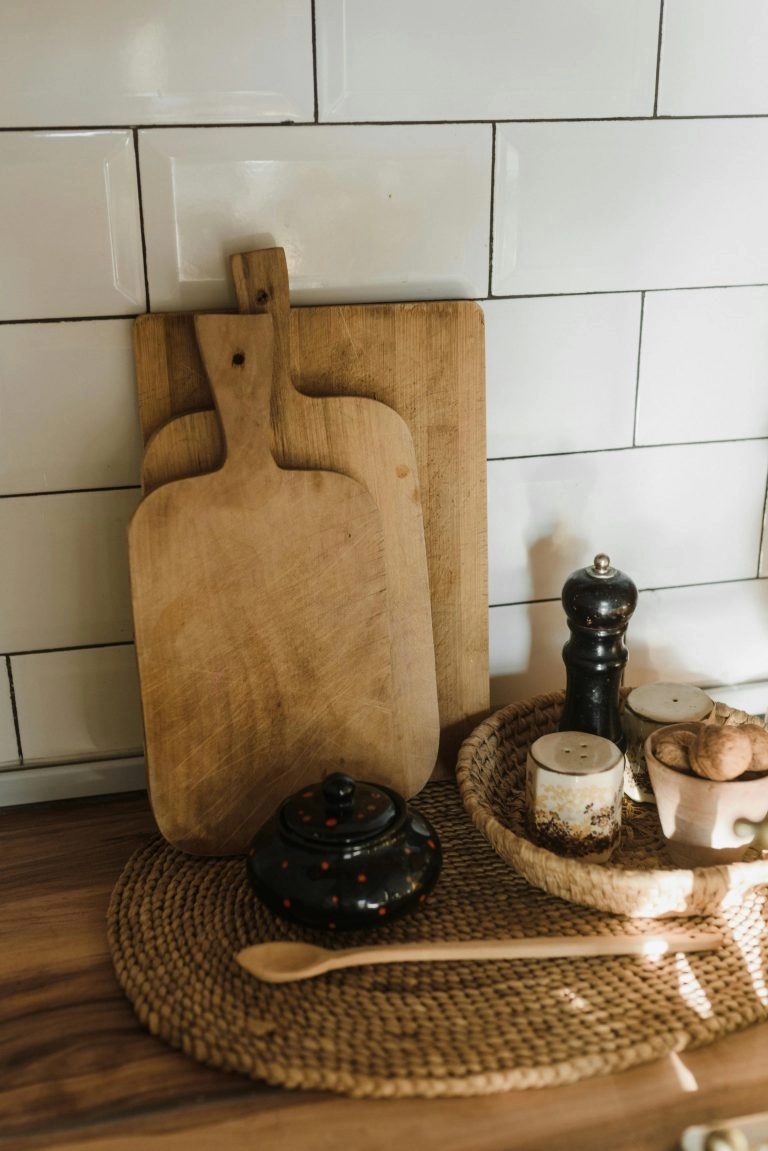
Wood quickly became the material of choice, and it’s easy to see why. Natural antimicrobial wood species like maple and walnut offered durability and safety, keeping food prep hygienic long before science understood bacteria. For centuries, wood dominated kitchens worldwide because it’s gentle on knives and naturally resistant to odors and stains.
Traditional cutting boards also carry cultural significance. In many homes, especially those valuing craftsmanship, end-grain cutting boards are prized for their beauty and function. End-grain boards, where the grain faces up, are like a wooden “self-healing” surface that preserves knives and lasts longer. Edge-grain boards, on the other hand, showcase parallel grains and offer a smooth, elegant chopping surface preferred in kitchens focused on classic style and utility.
These time-tested designs link us to generations past, proving that wood’s timeless appeal lies not only in tradition but in smart, natural functionality that chefs and home cooks still trust.
The Shift Enter Modern Cutting Boards and the Hygiene Revolution
In the 20th century, kitchens saw a big change when plastic cutting boards came into the spotlight. Unlike traditional wood, plastic boards were lightweight, easy to clean, and didn’t absorb liquids, which made them popular for home cooks and professionals alike. This shift wasn’t just about convenience—it was about tackling food safety in a new way.
As awareness around food prep hygiene grew, antibacterial plastic cutting boards started to gain traction. These boards often feature antimicrobial cutting board technology, like Microban, that helps reduce bacteria growth right on the surface. This breakthrough merged science with kitchen tech, giving users a cutting board that’s easier to keep clean and safer to use day after day.
Alongside these innovations, health and safety milestones pushed the industry. Regulatory standards and consumer demand leaned heavily on cutting boards that resist germs and prevent cross-contamination. This led to a surge in antibacterial chopping board suppliers and manufacturers focusing on plastic boards that meet these expectations, providing reliable options for U.S. kitchens.
This era firmly established plastic cutting boards as a hygienic alternative without completely replacing traditional wood. Instead, both found their place depending on the need—whether it’s natural antimicrobial wood species or the latest antibacterial plastic cutting boards that keep food prep safe and clean.
Cutting Through the Myths Wood vs Plastic vs Antibacterial Hybrids
Choosing the right cutting board isn’t always straightforward. There’s a lot of debate around wood vs plastic cutting board safety, especially when you add modern antibacterial hybrids into the mix. Let’s break it down with a clear head-to-head comparison and clear up some common misconceptions.
Head to Head Comparison
| Feature | Wood Cutting Boards | Plastic Cutting Boards | Antibacterial Hybrid Cutting Boards |
|---|---|---|---|
| Hygiene | Natural antimicrobial wood species help reduce bacteria but need proper care | Can harbor bacteria in deep knife grooves but easy to sanitize in dishwasher | Built-in antibacterial plastic layers reduce bacteria growth effectively |
| Durability | Can last years with maintenance; prone to knife marks and warping | Resistant to warping; can crack or scar over time | Designed to resist wear and bacterial buildup longer than regular plastic |
| Maintenance | Requires hand washing and regular oiling to keep safe and non-toxic | Dishwasher safe but scoring can trap germs | Easy to clean, often dishwasher safe with added hygiene features |
| Eco-friendliness | Eco-friendly, biodegradable, and often made from sustainable wood | Made from plastic, less eco-friendly but recyclable options exist | Varies; some use recycled materials but still plastic-based |
| Cost | Typically mid-range, cost varies by wood type | Usually lower cost and widely available | Generally higher priced due to tech and materials involved |
Debunking Common Misconceptions
-
Myth: Wood cutting boards are unsafe because they absorb bacteria.
Truth: Studies show that natural antimicrobial wood species actually reduce bacteria if the board is cleaned properly and maintained.
-
Myth: Plastic cutting boards are always more hygienic.
Truth: Plastic boards can trap bacteria in deep cuts and grooves. If not replaced regularly, they can become a health risk.
-
Myth: Antibacterial boards replace the need for cleaning.
Truth: Even antibacterial cutting boards require regular washing. The built-in technology helps reduce bacteria growth but doesn’t eliminate it entirely.
When to Choose What Scenario Based Advice
-
Home Cooks Who Prioritize Natural Materials
Go with wood cutting boards made from natural antimicrobial wood species. Follow cutting board maintenance tips like hand washing and oiling to keep your board safe and lasting.
-
Busy Kitchens Needing Easy Clean Up
Plastic cutting boards are dishwasher safe and affordable. Replace often to avoid germs building up in knife grooves.
-
For Best Hygienic Chopping Boards 2025 and Beyond
Antibacterial hybrid cutting boards, like CalmChop’s models, offer the perfect balance of cleanliness, durability, and ease of use. Ideal for families or anyone serious about food prep hygiene evolution.
In the end, your choice depends on your kitchen habits and how much time you want to spend on maintenance. Knowing the pros and cons of each will help you keep your food prep area clean and safe.
Spotlight CalmChop’s Modern Antibacterial Cutting Boards Innovation You Can Trust
When it comes to modern antibacterial cutting boards, CalmChop stands out for a reason. Designed with the latest Microban cutting board technology, CalmChop offers a perfect balance of hygiene, durability, and eco-friendliness. Unlike typical plastic chopping boards, CalmChop’s surfaces actively fight bacteria, keeping your kitchen safer and food prep cleaner. This innovation means less worry about cross-contamination and a healthier cooking environment for families across the United States.
What Sets CalmChop Apart
- Built-in Antimicrobial Protection: The built-in antibacterial agents prevent bacterial growth, unlike regular cutting boards that can harbor germs.
- Eco-Friendly Materials: Made from sustainable, non-toxic kitchen cutting surfaces, CalmChop respects both your health and the environment.
- Durable and Knife-Friendly: Designed to resist deep cuts and scratches which can trap bacteria, it lasts longer and protects your knives.
- Easy to Clean: No need for special maintenance routines—just regular washing keeps it ready for the next meal.
Real User Transformations
Many users report a noticeable improvement in kitchen hygiene. Home cooks and professionals alike praise CalmChop for easing their food prep hygiene evolution. One customer shared, “Switching to CalmChop’s antibacterial board gave me peace of mind, especially when handling raw meats. It’s sturdy and cleans up without any fuss.” This kind of feedback highlights how CalmChop’s innovation directly improves everyday cooking safety.
Easy Integration Tips
- Keep CalmChop boards separate by food type to maximize hygiene.
- Store in a dry spot to maintain the antibacterial surface’s effectiveness.
- Use alongside other eco-friendly kitchen tools for a fully safe cooking setup.
- Replace worn boards as recommended to maintain peak antibacterial action.
Choosing CalmChop means embracing the future of food safety without sacrificing style or sustainability. For Americans looking for the best hygienic chopping boards in 2025, CalmChop is an option worth considering.
 English
  German
  Turkish
  Italian
  Russian
  Polish
  Arabic
  French
  Malay
Malay  Japanese
  Korean
  Thai
Thai