
The Hidden Dangers How Plastic Cutting Boards Contribute to Microplastic Exposure
What Are Microplastics and Why Do They Matter in Your Kitchen
Ever noticed tiny plastic bits on your plastic cutting board after some heavy chopping? Those tiny pieces are called microplastics — minuscule plastic particles less than 5 millimeters in size. They come from everyday plastic items breaking down over time, and unfortunately, your plastic cutting board is one of those culprits.
Why should microplastics matter to you when cooking? Because these invisible particles can mix with your food during meal prep. When you chop, slice, or dice on a plastic chopping board, microscopic plastic shavings can shed right into your ingredients. Over time, we unknowingly consume these microplastics, which raises health concerns linked to ingesting nanoplastics.
Besides potential health risks, microplastic shedding from kitchen tools adds to the growing environmental problem of plastic waste, especially when worn-out plastic boards are discarded improperly. If you’ve been relying on a plastic cutting board, you might want to rethink your kitchen setup to reduce these risks.
Curious about safer, more sustainable alternatives to polyethylene boards and how to keep your meal prep cleaner? Let’s explore the science behind this and what you can do about it. Meanwhile, you can check out expert tips on choosing a durable warp-resistant plastic cutting board to cut down on microplastic release.
The Hidden Dangers How Plastic Cutting Boards Contribute to Microplastic Exposure

Quantifying the Risk Real-World Data from Chopping Sessions
Plastic cutting boards are not just a risk on paper—they actually shed tiny microplastics during regular use. Real-world tests show that every chop and slice wears down the surface, releasing microscopic plastic particles right into your food. These microplastics come from the friction between your knife and the plastic board, and the more you use it, the more particles you’ll get.
Studies simulating typical kitchen chopping have found measurable amounts of microplastic shedding, especially on older or heavily scored plastic boards. In everyday meal prep—cutting vegetables, meat, or bread—these fine particles can mix with your food without you noticing.
While these microplastics are tiny, the health risks of ingesting them, also called nanoplastics, are still being researched. But early findings suggest they could cause inflammation or introduce harmful chemicals into the body over time. This shows why many home cooks in the U.S. are rethinking their plastic chopping board choices.
If you’re concerned about microplastic shedding from kitchen tools, switching to boards made from wood, bamboo, or even advanced materials like titanium can be a safer bet. For those looking for high-quality options, Calmchop offers antimicrobial plastic cutting boards designed to minimize these risks without sacrificing durability see antimicrobial plastic cutting boards for safe kitchens.
Understanding the real risk behind microplastic shedding helps you make smarter choices for a healthier kitchen and peace of mind.
Hygiene Headaches Debunking the Easy-Clean Myth of Plastic Boards
Bacterial Havens in Grooves and Scratches
Plastic cutting boards might seem easy to clean, but over time, tiny grooves and scratches build up on their surface. These grooves become perfect hiding spots for bacteria, making it tough to keep the board truly clean. Even if you wash your plastic chopping board in the dishwasher, the grooves can still trap food particles and germs, increasing the risk of bacterial cross-contamination in your daily meal prep.
Unlike wood or bamboo, plastic boards don’t have natural antibacterial properties. So once those cuts start piling up, regular cleaning doesn’t fully eliminate the bacteria lurking inside. This can lead to unpleasant odors and might even cause health risks, especially if you’re cutting raw meat or fish regularly.
If you’re using a dishwasher safe plastic board, remember that heat alone doesn’t scrub away the bacteria locked in scratches. That’s why many home cooks reconsider plastic cutting boards despite their convenience—they can be less hygienic than they look.
Hygiene Headaches Debunking the Easy-Clean Myth of Plastic Boards
Cross Contamination Risks in Daily Meal Prep
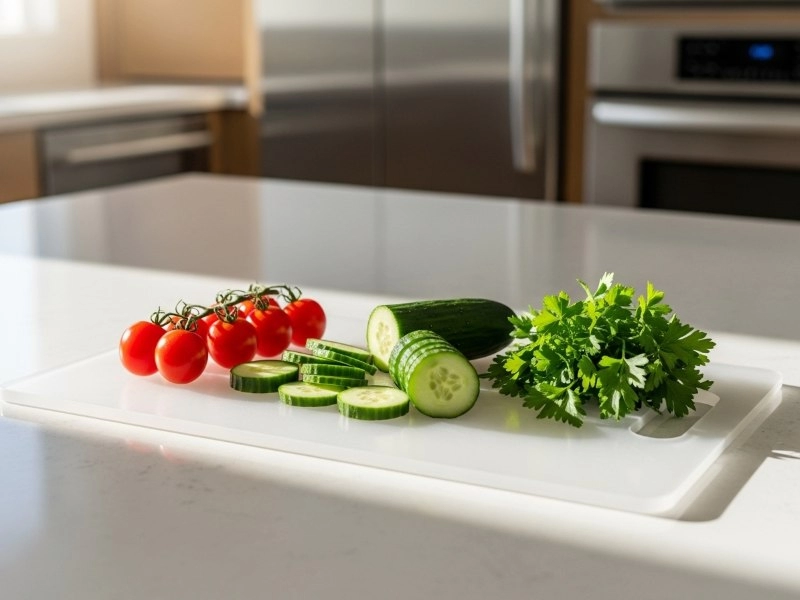
Many people trust plastic cutting boards because they think they’re easy to clean and keep safe. But the truth is, plastic boards can actually increase the risk of bacterial cross-contamination in everyday cooking. Over time, knives create tiny grooves and scratches on the surface where bacteria can hide—even after washing. These hidden spots make it tough to fully get rid of germs, especially when chopping different foods like raw meat, vegetables, and cooked items on the same board.
Even dishwasher safe plastic boards don’t guarantee complete sanitation. Bacteria can cling inside scratches, and if you’re using the same board for multiple tasks without proper cleaning, those germs can spread from one food to another. This can lead to foodborne illnesses at home, which is a concern many consumers overlook.
To reduce cross-contamination risks, it’s important to maintain cutting boards well and ideally use separate boards for raw and cooked foods. But relying solely on plastic boards with their microgrooves isn’t the safest choice when there are better options out there.
Beyond Plastic Science-Backed Alternatives for a Safer Kitchen
Wood and Bamboo Timeless Antibacterial Choices
When it comes to safer kitchen options, wood and bamboo cutting boards are top contenders. Both materials naturally fight bacteria better than plastic, thanks to their antimicrobial properties. Wood fibers actually trap and kill some bacteria, making these boards less likely to harbor germs in scratches or grooves. Bamboo is similar—it’s dense, durable, and resists moisture, which helps keep bacteria at bay.
These natural boards are also eco-friendly alternatives to polyethylene plastic boards, cutting down on microplastic shedding from kitchen tools. Plus, they don’t release nanoplastics that pose health risks when ingested during food prep.
Choosing wood or bamboo means getting a surface that’s gentle on knives while also being easier to maintain for hygiene. With proper care—like regular oiling and gentle cleaning—they last a long time without warping or cracking. For those concerned about cross-contamination and bacterial buildup, these options provide peace of mind without sacrificing durability or style.
If you want to explore quality wood or bamboo boards or see how they compare to modern plastic options, check out Calmchop’s guide on traditional to modern antibacterial cutting boards.
Innovative Options From Glass to Titanium

If you’re looking beyond plastic for your cutting board, there are some fresh choices worth considering. Glass boards are popular because they don’t absorb odors or stains, and they’re super easy to clean. Plus, being non-porous, they don’t harbor bacteria like scratched plastic can. However, glass can dull knives faster and tends to be slippery, so it’s not for everyone.
On the other hand, titanium boards are a newer, high-tech option. Titanium is incredibly durable, resistant to bacteria, and won’t chip or crack like plastic or glass. These boards are often lightweight and easy to clean, making them a solid choice if you want something that lasts and stays hygienic.
Both glass and titanium are non-toxic kitchen essentials that avoid the microplastic shedding from kitchen tools issue tying plastic cutting boards to health concerns. They’re also great if you want something tough but more eco-friendly than traditional polyethylene boards.
Choosing these innovative materials can help keep your kitchen safer by reducing cross-contamination risks in daily meal prep and lowering your exposure to health risks of ingesting nanoplastics. If you want to upgrade your cutting board setup, glass and titanium make smart, science-backed alternatives for a healthier kitchen.
Hybrid Innovations The Future of Cutting Boards
Cutting boards are evolving beyond just wood or plastic. Hybrid options are becoming popular because they combine the best of both worlds—durability, hygiene, and eco-friendliness. These boards often layer materials like wood with non-porous surfaces or integrate antimicrobial plastics with bamboo cores to reduce microplastic shedding and bacterial buildup.
Some hybrid boards feature a durable wood base with removable silicone or TPU cutting surfaces, which are easy to clean and help prevent cross-contamination. Others use stainless steel edges or inserts to boost longevity and keep the board stable during meal prep. These designs cater to home cooks looking for non-toxic kitchen essentials that stand up to daily use without compromising safety.
What makes hybrid boards especially attractive is how they address common concerns with plastic chopping boards, like microplastic shedding from kitchen tools, while offering easier maintenance than pure wood boards. This innovation reflects a growing trend in sustainable alternatives to polyethylene boards and meets the demand for best durable boards without microplastic release.
For those considering eco-friendly chopping board materials and long-term hygiene, hybrid models offer a smart, forward-thinking choice. If you want to explore hybrid and other innovative materials further, check out options such as the stainless steel plastic cutting board that combine metal and plastic for better performance and safety.
Making the Switch Practical Tips and Long-Term Benefits
Step-by-Step Guide to Ditching Plastic
Switching from plastic cutting boards to safer alternatives doesn’t have to be overwhelming. Here’s a simple way to make the swap while keeping your kitchen efficient and clean:
-
Assess Your Needs
Start by thinking about what you cut most often—meat, veggies, or bread? This helps you choose the right replacement material, like wood for versatility or glass for easy cleaning. For more on picking boards, check out this guide on choosing the right cutting board for different ingredients.
-
Buy One or Two High-Quality Boards
Instead of stocking your kitchen with multiple plastic boards, invest in one or two sturdy, antimicrobial wood or bamboo boards. These offer natural antibacterial properties and don’t shed microplastics like plastic chopping boards.
-
Start With Easy Maintenance
Proper care keeps your boards safe and lasting longer. Avoid the dishwasher with wood or bamboo; hand wash with warm soapy water and dry immediately to prevent warping or cracks. For tips, see how to care for and clean your nonslip cutting board to extend its life.
-
Separate Boards to Prevent Cross-Contamination
Use one board exclusively for raw meat and another for fruits and veggies. This reduces bacterial cross-contamination risks common with scratched plastic boards.
-
Gradually Phase Out Plastic Boards
You don’t have to toss all your plastic boards immediately. Replace them as they get worn out or scratched—those grooves are hotspots for bacteria and microplastic shedding.
-
Monitor and Adjust Your Routine
Pay attention to how your new boards hold up over time, and replace them when necessary. This habit supports better hygiene and helps reduce your plastic waste footprint in the kitchen.
Making this switch benefits your health by lowering exposure to nanoplastics and harmful bacteria. Plus, you’ll support sustainable kitchen habits that help protect the planet long-term. It’s a win-win for your wallet, health, and the environment.
Making the Switch Practical Tips and Long-Term Benefits Broader Impacts Health Wallet and Planet
Switching from plastic cutting boards to safer alternatives isn’t just about your kitchen—it impacts your health, budget, and the environment. Here’s why making the change matters long-term:
Health Benefits
Plastic boards can shed microplastics into your food, which some studies link to health risks like inflammation and digestive issues. Choosing materials like wood or bamboo reduces exposure to these tiny particles and their unknown effects. Plus, better antibacterial properties in natural boards mean fewer chances of harmful bacteria surviving in grooves and scratches.
Saving Your Wallet
While plastic boards can be cheap upfront, they wear out quickly and often need replacing because of deep cuts and scratches. Durable options like bamboo, wood, or even glass cost more initially but last longer and require less frequent replacement, saving money over time.
Helping the Planet
Plastic chopping boards contribute to plastic waste and microplastic pollution, especially when discarded. Sustainable alternatives like bamboo are biodegradable or recyclable. By switching, you reduce your kitchen’s plastic footprint—supporting cleaner forests, oceans, and communities dealing with plastic pollution.
Tips for a Smooth Switch
- Start with a high-quality wood or bamboo board to experience the difference immediately.
- Maintain your board with simple cleaning and oiling routines to extend life and boost hygiene.
- Consider hybrid boards that combine durability and low plastic use for balance.
- Recycle or responsibly dispose of your old plastic cutting boards to avoid adding to landfill.
For those still considering plastic, exploring advanced options like antimicrobial or recyclable plastic cutting boards can minimize risks. Learn more about selecting top-quality options in our guide to antimicrobial plastic cutting boards.
Making the switch means protecting your health, saving money, and doing your part for the planet—all good reasons to rethink your chopping board today.
 English
  German
  Turkish
  Italian
  Russian
  Polish
  Arabic
  French
  Malay
Malay  Japanese
  Korean
  Thai
Thai