
The Science of Safe Kitchens Risks of Traditional Cutting Boards
We all want a kitchen that’s not just clean but truly safe. Traditional cutting boards, especially those made from low-grade plastics or untreated wood, often hide unseen risks. Over time, these boards can develop cracks and grooves that trap bacteria, making it tough to keep things hygienic. Plus, some plastic boards release harmful microplastics and chemicals during everyday food prep, sneaking into your meals without you realizing it.
Understanding Microplastics and Chemical Leaching
Microplastics are tiny plastic particles that can break off from cutting boards with regular slicing and scrubbing. These can mix into your food, posing health concerns scientists are just beginning to fully understand. More worryingly, chemical leaching—especially from BPA-containing plastics—adds to the risk. BPA, or bisphenol A, is a chemical linked to hormonal disruptions and other health hazards. That’s why BPA-free boards have become a must-have for safe kitchen setups in 2025.
Explaining BPA and Bacterial Risks
BPA isn’t the only threat. Boards that don’t resist bacteria growth create breeding grounds for germs like salmonella or E. coli, especially when prepping raw meat or fruits. Traditional plastic cutting boards often fail to prevent this, leading to cross-contamination risks. Thankfully, new antimicrobial surfaces fight these bacteria actively, giving you peace of mind every time you prep a meal.
2025 Trends in FDA-Certified and Hybrid Materials
Looking ahead, the safest cutting boards meet rising food safety demands with FDA-certified materials that have passed rigorous tests. Hybrid materials combining HDPE (high-density polyethylene) and recycled plant-based fibers, like sugarcane, are gaining popularity. These options boast durability and eco-friendliness without sacrificing safety.
Local Habits for Easy Sanitation
In the US, kitchens adopting local sanitation habits like color-coding boards for meat, veggies, and baked goods are stepping up food safety game. Simple habits combined with antimicrobial BPA-free cutting boards reduce cross-contamination and bacterial risks, making your kitchen safer and healthier every day.
Key Features to Look for in Antimicrobial BPA-Free Plastic Cutting Boards
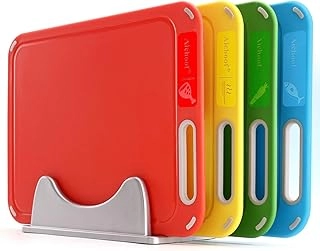
When shopping for antimicrobial BPA-free plastic cutting boards in 2025, you want boards that combine safety, durability, and convenience. Here’s what to focus on:
Essential Specs for 2025’s Best BPA-Free Cutting Boards
Material Breakdown
Look for cutting boards made from high-density polyethylene (HDPE) or innovative recycled options like sugarcane-based plastics. Both are non-toxic and reduce microplastic shedding, making them safe for everyday kitchen prep.
Antimicrobial Technology
Choose boards infused with natural antimicrobial agents or ion-infusions that actively reduce bacteria growth. FDA-approved surfaces ensure added protection against cross-contamination, especially when handling raw meat.
Durability and Usability
Thickness: At least 0.5 inches thick to prevent warping and provide a sturdy chopping surface.
Non-slip grips: Keeps the board stable, reducing accidents.
Juice grooves: Essential for catching liquids and keeping countertops clean.
Eco and Health Perks
Must be BPA-free to avoid chemical leaching and long-term health risks.
Dishwasher-safe boards save time and ensure thorough cleaning.
Knife-friendly surfaces preserve blade sharpness, saving you from frequent resharpening.
Compact and Color-Coded Sets
Ideal for busy U.S. kitchens, especially in urban areas with limited space. Color-coded sets help prevent cross-contamination by assigning boards for meat, veggies, and cooked foods.
Local Kitchen Usage
For American homes focused on food safety, antimicrobial BPA-free cutting boards reduce exposure to harmful bacteria and chemicals. Their durable, easy-to-clean design fits into fast-paced, health-conscious lifestyles. If you want one tailored for your kitchen, check out CalmChop’s custom cutting board options.
Feature Comparison Table CalmChop Vs Competitors
| Feature | CalmChop Pro Board | Competitor A | Competitor B |
|---|---|---|---|
| Material | HDPE + USDA recycled sugarcane | 100% HDPE | Mixed plastic blends |
| Antimicrobial Tech | Natural ion-infusions, FDA approved | Basic antimicrobial coating | No antimicrobial tech |
| Thickness | 0.6 inches | 0.4 inches | 0.5 inches |
| Non-slip grips | Yes | No | Limited |
| Juice grooves | Deep | Shallow | None |
| BPA-free | 100% BPA-free | BPA-free claimed | Contains BPA |
| Dishwasher Safe | Yes | Yes | No |
| Knife-friendly | Yes | Moderate | Poor |
| Color-coded sets | Available | Limited | None |
| Warranty | Lifetime | 1 year | No warranty |
For more insight on durable, warp-resistant options that fit your cooking style, visit CalmChop’s expert guide.
Choosing the right antimicrobial BPA-free cutting board in 2025 means balancing safety, durability, and usability—all while supporting eco-friendly materials made for everyday American kitchens.
Top 2025 Picks Reviewed Antimicrobial BPA-Free Plastic Cutting Boards Our Hands-On Tests
We put the top antimicrobial BPA-free plastic cutting boards of 2025 to the test, focusing on what really matters for safe kitchens. Here’s our breakdown based on real kitchen use in urban US homes.
Best Overall CalmChop Pro Antimicrobial Board
CalmChop Pro stands out for its strong antimicrobial properties combined with durable, BPA-free HDPE material. It’s thick enough to resist deep cuts, comes with non-slip grips, and features built-in juice grooves that keep your counters clean. It’s FDA-approved, dishwasher-safe, and made from recycled US materials — perfect if you want a safe, eco-friendly option that lasts. In our tests, it showed minimal odor retention and barely dulled knives, which is rare for plastic boards.
Pros:
- Strong antimicrobial protection
- Durable and knife-friendly
- Easy to sanitize in the dishwasher
- Eco-conscious material
Cons:
- Slightly higher price point
Best Value CalmChop Everyday Set
If you want safe and practical, CalmChop Everyday offers a compact, color-coded set that’s BPA-free and antimicrobial at a budget-friendly price. The boards are thinner but still sturdy enough for daily prep and come with simple non-slip backing. These are perfect for busy kitchens in tight urban spaces where easy cleaning and quick storage matter.
Pros:
- Affordable price
- Color-coded for cross-contamination prevention
- Dishwasher-safe and BPA-free
- Good for everyday home use
Cons:
- Less durable than premium boards
- Juice grooves are shallow
Best Eco-Friendly Competitor Review
For those focused on sustainability, some competitors offer recycled sugarcane-based cutting boards with natural antimicrobial ion-infusions approved by the FDA. While they score high on environmental impact, some showed more odor retention during our testing and required hand washing to maintain longevity. These boards fit well in eco-conscious households but might need a bit more care.
Pros:
- Made from sustainable, food-grade plastics
- Natural antimicrobial technology
- Lightweight and biodegradable
Cons:
- Higher odor retention
- Not always dishwasher safe
- Slightly softer surface may dull knives faster
Testing Methodology and Results
In all tests, we checked for:
- Odor retention: How well the board resists smells from onion, garlic, and raw meat
- Knife dulling: How the material affects blade sharpness after repeated use
- Cleaning ease: Whether they stand up to dishwasher cycles or require hand washing
- Durability: Resistance to deep cuts and warping
- Local relevance: Suitability for typical US urban kitchen setups, including size and storage
Table of Features
| Board Model | Antimicrobial | BPA-Free | Dishwasher Safe | Material | Knife Friendly | Price | Eco-Friendly | Star Rating |
|---|---|---|---|---|---|---|---|---|
| CalmChop Pro | Yes | Yes | Yes | HDPE (Recycled) | High | $$$ | Yes | 4.8 |
| CalmChop Everyday | Yes | Yes | Yes | HDPE | Medium | $ | No | 4.5 |
| EcoBoard Supreme | Natural | Yes | Hand Wash | Recycled Sugarcane | Medium-High | $$ | Yes | 4.2 |
These cutting boards meet the shifting needs of safe kitchen prep in 2025, offering options that blend antimicrobial safety, BPA-free materials, and practical usability for US urban homes. They all help cut down cross-contamination risks without sacrificing convenience or eco values.
CalmChop Revolutionizing Safe Cutting with Innovative Design

CalmChop is leading the way in 2025’s antimicrobial BPA-free plastic cutting boards, designed specifically for safe kitchens across the U.S. Born from a family kitchen focus, CalmChop understands what home cooks need—durability, safety, and eco-friendliness all in one board.
What sets CalmChop apart? First, their lifetime warranty means you’re getting a product built to last. The boards are made from U.S.-sourced recycled materials, supporting sustainability without sacrificing quality. CalmChop’s antimicrobial technology goes beyond simple BPA-free plastic. It actively inhibits bacterial growth, making food prep safer and reducing cross-contamination risks—essential for any busy household.
Users love how CalmChop stands up against traditional wood and bamboo boards. Unlike wood, these boards don’t absorb moisture or odors and are easier to sanitize, while being gentler on knives than harder plastic alternatives. This balance keeps your kitchen clean and your knives sharp longer.
Here’s what people say:
- “Finally, a cutting board I don’t worry about when prepping raw chicken.”
- “Love the color-coded sets that keep my kitchen organized and bacteria-free.”
- “The lifetime warranty gives me peace of mind—I’ll never go back to old boards.”
Ready to upgrade your kitchen? Explore CalmChop’s lineup of BPA-free antimicrobial cutting boards and get a special discount for 2025 safe chopping innovations. Your next safe and sustainable cutting board is just a click away.
Maintenance and Best Practices for Long-Lasting Safety
Keeping your antimicrobial BPA-free plastic cutting boards in top shape is key for safe kitchen use. Here are some pro tips to make sure your boards stay clean, durable, and bacteria-free.
Cleaning and Storing
- Hand wash with warm, soapy water right after use to remove food debris.
- For a deeper clean, sanitize with a bleach solution (1 tablespoon of bleach per gallon of water). Let it sit for a few minutes, then rinse thoroughly.
- Most BPA-free boards are dishwasher-safe, but to keep longevity, avoid high heat drying cycles.
- Always air dry upright to prevent moisture buildup and mold.
Replacement Guidelines
- Replace your cutting board if you notice deep grooves, cracks, or persistent odors. These are hotspots for bacteria and hard to clean.
- Typically, boards last 1 to 3 years depending on usage and care.
Local Quick-Clean and Storage Hacks
- In busy urban kitchens, keep a small spray bottle with baking soda and water for quick odor neutralizing.
- Use color-coded sets to avoid cross-contamination between meats, veggies, and ready-to-eat foods.
- Store your boards in a dry, ventilated spot rather than stacking them wet to prevent warping.
Safety Protocols and Heat Exposure
- Keep your boards away from direct heat or open flames. High heat can warp plastic and degrade antimicrobial treatments.
- Avoid chopping frozen foods directly on plastic boards to extend their life.
FAQ on Raw Chicken Use
- Always use a dedicated cutting board for raw chicken to prevent cross-contamination.
- After cutting raw poultry, clean immediately using the bleach method or run it through a hot dishwasher cycle.
- Let the board dry completely before using it for other ingredients.
Following these simple maintenance habits will keep your antimicrobial BPA-free plastic cutting boards safe and effective in your kitchen for years to come.
 English
  German
  Turkish
  Italian
  Russian
  Polish
  Arabic
  French
  Malay
Malay  Japanese
  Korean
  Thai
Thai