
Why Plastic Cutting Boards Are Still a Kitchen Essential Despite the Hype Around Wood and Bamboo
Wood and bamboo cutting boards often get a lot of attention for their natural look and appeal. But plastic cutting boards remain a kitchen staple for many good reasons. They are lightweight, making them easy to handle and store. Plastic boards are also highly hygienic because they’re non-porous, so they don’t absorb juices or harbor bacteria like some wood can. Plus, they’re budget-friendly, offering an affordable option without compromising performance.
Some concerns about plastic cutting boards include microplastics, staining, and warping. However, many of these worries stem from myths or outdated designs. Modern factory tested cutting board materials use high-quality plastics like HDPE and polypropylene that minimize these issues. Staining can be managed with proper cleaning, and warping is rare when you choose a warp proof plastic kitchen board designed with the right material thickness and density.
In short, plastic cutting boards combine practicality and safety, making them the go-to choice for busy kitchens across the US.
Key Features to Look for in a Durable Warp Resistant Plastic Cutting Board
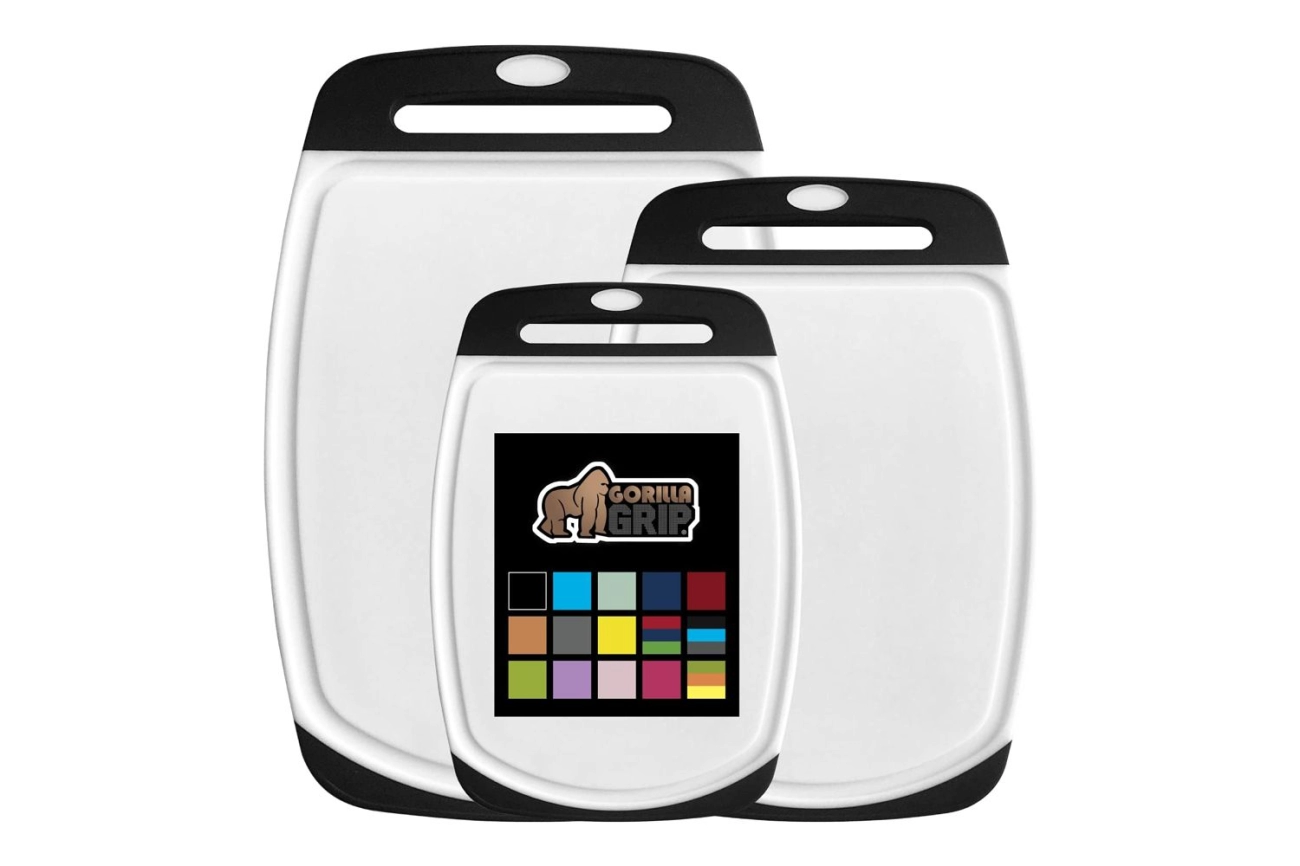
Choosing a plastic cutting board that won’t warp or wear out starts with knowing what makes it strong and reliable. Here’s what you want to focus on:
Material Matters HDPE vs Polypropylene vs Acrylic
- HDPE (High-Density Polyethylene) is the top choice for durability and warp resistance. It’s dense, tough, and handles heat better than most plastics.
- Polypropylene is lighter and budget-friendly but less dense, making it more prone to warping over time.
- Acrylic boards look sharp but can be prone to scratches and aren’t as knife friendly as HDPE.
Thickness and Density The Warp Proof Foundation
- A thickness of at least 3/8 inch (around 10 mm) gives your board the stability it needs to resist warping. The denser the board, the better it handles moisture and heat without bending.
- Thin boards may seem handy but often lead to annoying warping and cracks.
Surface Texture and Edge Design for Knife Friendly Performance
- Look for a slightly textured surface—too smooth and your food slides around; too rough and your knives dull faster.
- Rounded edges and flat corners help prevent chipping and make cleaning easier. Some boards come with non-slip edges or feet to keep things steady on your countertop.
Certifications and Safety FDA FDA and BPA Free Assurance
- Always choose cutting boards with FDA and FDA certifications to ensure the material is safe for food prep.
- A BPA free label means no harmful chemicals will leach into your food, key for health-conscious kitchens.
Knowing these features helps you pick a warp proof plastic kitchen board that stands up to everyday use. It’s about finding the right balance of material, thickness, and design to keep your prep surface safe and long-lasting.
Expert Factory Insights for Long Lasting Plastic Cutting Boards

When it comes to making durable, warp-resistant plastic cutting boards, the magic happens at the factory. Here’s how we engineer boards that stand up to daily kitchen use without bending or breaking.
How Warp Resistance is Built In
- Material selection is key. We use high-density polyethylene (HDPE), known for its strong, dense structure that resists warping better than polypropylene or acrylic.
- Controlled thickness and density. Boards with consistent thickness and the right density create a solid base that won’t flex or warp under heat or pressure.
- Thermal management during production. Proper cooling after molding prevents stresses in the board that can lead to warping over time.
Durability Testing That Sets Us Apart
- Repeated stress tests. We simulate years of knife impacts and dishwasher cycles to make sure our boards hold up.
- Warping checks under heat. Our boards go through heat exposure tests to guarantee they stay flat even when washed in hot water or left near warm surfaces.
- Antimicrobial resistance tests. To keep your cutting surface safe and hygienic, we ensure our plastic can withstand regular cleaning without breaking down.
Watch Out for Common Manufacturing Flaws
Not all plastic cutting boards are made equal. Avoid these pitfalls when shopping:
- Uneven thickness. Thin or inconsistent boards warp more easily.
- Low-quality plastic blends. Cheaper plastics may contain fillers that lead to cracking or faster wear.
- Poor edge finishing. Rough or sharp edges can chip and damage knives.
- No safety certifications. Always check for FDA, FDA, or BPA-free labels to ensure food safety.
By focusing on these factory-level details, we make sure you get a warp proof plastic kitchen board that lasts, stays hygienic, and performs well every day.
Top Mistakes Home Cooks Make When Choosing Plastic Cutting Boards And How to Fix Them
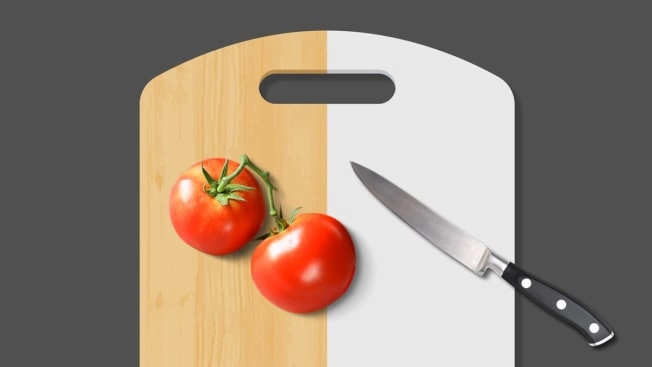
Choosing the right plastic cutting board isn’t as simple as picking the cheapest or coolest looking one. Here are common slip-ups we see—and how to avoid them:
-
Picking Thin Boards
Many go for thin boards because they’re lighter and cheaper, but thin boards warp faster. Look for thickness around 3/4 inch or more for real stability and warp proof plastic kitchen board performance.
-
Ignoring the Material
Not all plastics are equal. HDPE boards usually last longer and resist warping better than polypropylene or acrylic. Always check for HDPE cutting board durability on the label or product info.
-
Skipping Safety Certifications
Some boards don’t meet FDA or FDA standards and might contain BPA or harmful chemicals. Only buy BPA free durable kitchen prep surfaces with proper safety certifications.
-
Overlooking Knife Friendliness
Hard plastic boards can dull knives quickly. Choose knife friendly polyethylene boards that protect your blades while staying tough and stain-resistant.
-
Not Considering Maintenance
Cutting boards need care. If you don’t clean them properly or let them soak, they’ll warp or stain faster. Follow maintenance tips for plastic boards to keep them in top shape.
Fixing these mistakes means you’ll get a plastic cutting board that lasts longer and stays safe in your kitchen, saving you money and hassle in the long run.
Maintenance Tips to Maximize Durability and Warp Resistance
Taking care of your plastic cutting board properly is key to keeping it durable and warp resistant. Follow these daily care and long-term upkeep tips to get the most life out of your board.
Daily Care Cleaning Without Compromise
- Wash promptly after use with warm, soapy water to prevent stains and bacteria buildup.
- Avoid harsh scrubbing that can damage the surface texture or cause knife marks to deepen.
- Dishwasher safe plastic chopping boards are convenient, but check your board’s guidelines first — high heat can sometimes affect thinner boards.
- Dry thoroughly after washing to prevent moisture from warping the board over time.
Long-Term Upkeep When to Sand Oil or Replace
- Sanding: If your board shows deep knife grooves, lightly sand the surface with fine-grit sandpaper to smooth it out and restore its knife-friendly texture.
- Oiling: Unlike wood boards, most HDPE and polypropylene boards don’t need oiling. Using mineral oil won’t harm them but often offers no real benefit.
- Replacing: Keep an eye out for cracks, deep cuts, or persistent warping signs. When these appear, it’s time to replace the board for food safety and performance.
By following these simple maintenance tips, your HDPE cutting board will stay stable, warp proof, and ready for all your kitchen prep needs.
CalmChops Top Picks Warp Resistant Boards Built to Last
At CalmChops, we’ve tested a range of plastic cutting boards to find the best warp resistant options that stand up to everyday kitchen use. Here are our top picks based on durability, thickness, and material quality:
1. HDPE Cutting Board – Heavy Duty
- Made from high-density polyethylene, this board resists warping even after repeated exposure to hot water and dishwasher cycles.
- Thick and dense for stability, it stays flat and sturdy during heavy chopping.
- Knife friendly surface that won’t dull your blades.
2. Polypropylene Warp Proof Board
- Lighter than HDPE but engineered for warp resistance through a special factory process.
- Budget friendly and BPA free, offering a hygienic prep surface.
- Easy to clean and dishwasher safe without bending.
3. Custom Antibacterial Plastic Cutting Board
- Designed for those looking for extra hygiene with antimicrobial additives.
- Non-slip edges and a textured surface reduce mess and improve cutting control.
- Manufactured with strict quality checks to avoid common warping problems.
Why These Boards Work
- Thick enough (minimum 3/4 inch) to prevent flexing and warping.
- Made from BPA free, FDA and FDA approved materials ensuring safety.
- Tested at the factory level for long-term durability and resistance to staining and microplastics.
Choosing any CalmChops top pick means you get a reliable kitchen tool built to last, save money on replacements, and keep your prep surface safe and clean for years.
 English
  German
  Turkish
  Italian
  Russian
  Polish
  Arabic
  French
  Malay
Malay  Japanese
  Korean
  Thai
Thai