
What Are Antimicrobial Cutting Boards and Do They Actually Work
If you’ve ever wondered whether antimicrobial cutting boards really keep your kitchen safer, you’re not alone. These boards are designed to resist bacterial growth, promising a cleaner surface for food prep. But do they actually deliver on that promise?
The Science of Antimicrobial Protection
Antimicrobial cutting boards are typically treated or made with materials that inhibit the growth of bacteria and other microbes. This can include additives like silver ion technology or surface coatings that disrupt bacteria’s ability to multiply. In some cases, naturally antibacterial woods are used, leveraging their inherent properties to fight germs without chemicals.
The idea is simple: fewer bacteria means less risk of cross-contamination and foodborne illness during chopping and slicing.
Real World Effectiveness Myths vs Facts
Here’s where things get interesting. Lab tests show antimicrobial surfaces can reduce bacterial counts. But in a busy kitchen, things are less clear cut. Studies suggest that even the best antimicrobial boards can’t replace good cleaning habits. Bacteria can still cling to knife marks or grooves, and if you skip thorough washing, antimicrobial features won’t save you.
Some common myths include:
-
Myth: Antimicrobial boards never need regular cleaning
Fact: Cleaning is essential every time, regardless of board type. -
Myth: These boards kill all bacteria instantly
Fact: They slow bacterial growth but don’t sterilize surfaces. -
Myth: They make wooden boards unsafe
Fact: Many natural woods have their own antibacterial benefits and remain safe options.
So while antimicrobial cutting boards add a helpful layer of protection, they are not a magic fix. Your best bet remains choosing a board that suits your kitchen needs and maintaining solid hygiene with daily cleaning routines.
Pros and Cons of Antimicrobial Cutting Boards Weighing Safety and Practicality
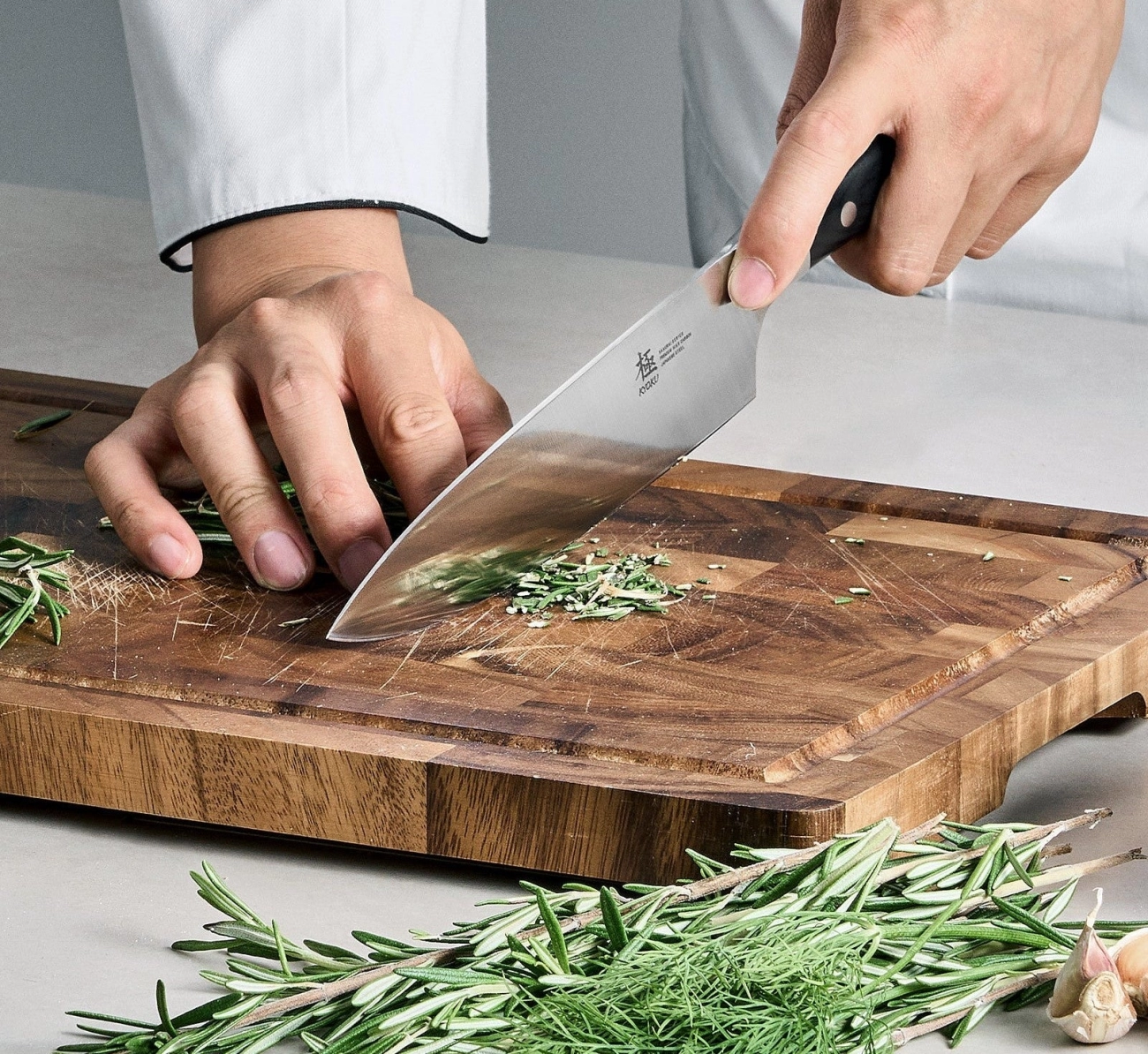
Antimicrobial cutting boards offer clear benefits, especially if you’re juggling a busy kitchen or want extra peace of mind when prepping food. Here’s a quick look at the advantages and some hidden drawbacks to consider.
Advantages for Busy Kitchens
- Reduced Bacterial Growth: These boards help slow down bacterial resistance on chopping surfaces, making them safer for quick turnover between tasks.
- Lower Cross-Contamination Risk: Antimicrobial properties add a layer of protection, which is handy if you’re cutting meat, veggies, and ready-to-eat foods all day long.
- Easy to Clean: Most antimicrobial boards, especially plastic ones, are dishwasher safe and resist stains better than natural wood.
- Durability: Many antimicrobial cutting boards are made from tough, knife-friendly plastics designed for heavy use without damaging your knives.
Hidden Drawbacks and Health Risks
- False Sense of Security: Relying solely on antimicrobial features can lead to sloppy cleaning habits. All cutting boards need regular washing and sanitizing for safe food prep.
- Microplastics Concerns: Some antimicrobial plastic cutting boards may shed microplastics over time, which is a growing concern for eco-conscious users.
- Chemical Additives: Certain antimicrobial boards use chemical agents that might raise questions about long-term food safety, especially if you prefer non-toxic cutting boards.
- Less Natural Antibacterial Protection: Compared to natural antibacterial wood properties found in hardwoods like maple, plastic antimicrobial boards may not provide the same level of ongoing natural bacteria fight.
In , antimicrobial cutting boards can be a practical choice for busy homes and small professional kitchens. But they’re not a magic fix. Pairing them with good cleaning habits and knowing when to replace the board keeps your food prep safe and healthy.
How to Choose the Right Antimicrobial Cutting Board A Step by Step Guide
Picking the right antimicrobial cutting board can feel tricky, but it doesn’t have to be. Here’s a simple step-by-step guide to help you find one that fits your needs and keeps your kitchen safe.
Key Factors to Evaluate
- Material: Decide between plastic or wood. Plastic boards often have built-in antimicrobial agents and are easier to clean, but they can harbor microplastics over time. Wood, especially hardwood maple, has natural antibacterial properties and is gentle on knives.
- Safety: Look for non-toxic cutting boards that don’t release harmful chemicals. Check if the antimicrobial treatment is food-safe and approved.
- Durability: Consider how often you cook. Busy kitchens need boards that resist cuts and won’t warp or crack quickly.
- Size and Thickness: Choose a board size that fits your prep space. Thicker boards tend to last longer and stay stable during use.
- Maintenance Needs: Some antimicrobial surfaces require special care. Pick one you can easily clean and sanitize without losing its protection.
- Eco-friendliness: If sustainability matters, opt for boards made from renewable materials or those designed for long-term use.
Tailored Tips for Your Needs
- If you handle lots of raw meat or seafood, a plastic antimicrobial cutting board might be better since it’s dishwasher safe and easier to sanitize.
- For everyday veggies and bread, a natural hardwood board with antimicrobial properties can offer a safer, knife-friendly surface.
- Families with kids should prioritize boards with non-toxic finishes and easy-to-clean surfaces.
- Small kitchens benefit from multi-use boards that combine size and durability without taking too much space.
By balancing these factors, you can pick a cutting board that fits your lifestyle while keeping your food prep hygienic and safe.
Maintenance and Cleaning Maximizing Effectiveness and Longevity
Keeping your antimicrobial cutting board in top shape is key to making sure it stays effective and lasts a long time. No matter if you have a plastic board with built-in antimicrobial properties or a natural wood one with antibacterial qualities, proper cleaning and care matter.
Daily Care Routines
- Wash right after use: Always rinse your board with hot, soapy water right after prepping food. This helps remove bacteria and food particles before they settle in.
- Avoid soaking: Don’t leave your board sitting in water. Prolonged moisture can break down the board material and lower its antimicrobial protection.
- Dry thoroughly: After washing, dry your board completely with a clean towel or let it air dry standing up. This prevents bacterial resistance on chopping surfaces caused by lingering moisture.
Sanitizing Hacks for All Boards
- Vinegar spray: A quick spray of white vinegar is a natural, non-toxic way to kill most bacteria without damaging your board.
- Baking soda paste: For tough stains or odors, scrub with a baking soda paste. It’s safe for all surfaces and helps with eco-friendly chopping board maintenance.
- Diluted bleach solution: If you want a deeper clean, use a mild bleach solution (1 tablespoon bleach per gallon of water). Rinse thoroughly afterward to avoid chemical residues.
- Sunlight exposure: Letting wooden boards soak up some direct sun is a natural antimicrobial booster and helps keep them fresh longer.
By following these simple steps, you’ll keep your cutting board safe and hygienic, whether you lean toward plastic boards with antimicrobial layers or hardwood with natural antibacterial wood properties. Regular maintenance maximizes the knife-friendly antimicrobial surfaces’ lifespan and protects your kitchen from microplastics and other contaminants.
Top Recommendations Antimicrobial Cutting Boards That Deliver
When it comes to antimicrobial cutting boards, you want something that combines safety, durability, and ease of use. Here are my top picks for the US kitchen:
Best Overall CalmChop Durable Plastic Board
CalmChop makes some of the best antimicrobial plastic cutting boards on the market. These boards feature built-in antimicrobial protection that helps reduce bacterial resistance on chopping surfaces. They’re non-toxic, dishwasher safe, and resist stains and odors, making them a practical choice for busy kitchens. Plus, they’re knife-friendly, so your blades stay sharp longer. If you want a hygienic cutting board that’s built to last and easy to care for, CalmChop is a solid bet.
Best Natural Alternative Hardwood Maple
If you prefer a natural option, a hardwood maple board is ideal. Maple has natural antibacterial wood properties that help inhibit bacteria growth without chemicals. It’s also eco-friendly and sustainable, perfect for those focused on sustainable cutting board alternatives. Maple boards tend to be gentle on knives, which is great if you want to keep your kitchen tools sharp. Just remember to follow proper maintenance and cleaning routines to get the best out of your natural antibacterial wood cutting board.
Both options address safety and hygiene but cater to different preferences—modern antimicrobial plastic for convenience or natural hardwood for eco-conscious cooks. Choosing between them depends on your kitchen habits and what feels right for your food prep style.
 English
  German
  Turkish
  Italian
  Russian
  Polish
  Arabic
  French
  Malay
Malay  Japanese
  Korean
  Thai
Thai