
The Eco Edge Unpacking the Environmental Benefits of Wheat Straw Cutting Boards
If you’re dreaming of a greener kitchen, wheat straw cutting boards are a smart start. These boards are made from the leftover stalks of wheat plants—a renewable resource that’s usually discarded or burned, which harms the environment. By transforming this tough fiber into durable, biodegradable chopping boards, manufacturers give new life to agricultural waste, cutting down on landfill and pollution.
Choosing wheat straw boards means supporting sustainable kitchenware that reduces reliance on plastics and scarce hardwoods. They’re often BPA-free kitchen tools, so you avoid harmful chemicals commonly found in cheap plastic cutting surfaces. Plus, their compostable nature lets you toss them back into the earth at the end of their life, closing the loop on your zero-waste meal prep.
In short, wheat straw boards aren’t just trendy—they’re a practical step toward a green kitchen alternative that respects the planet. Ready to chop your way to a cleaner, eco-friendly kitchen? Let’s break down how these boards perform in everyday cooking next.
Performance Perks Practical Advantages for Everyday Eco Cooking
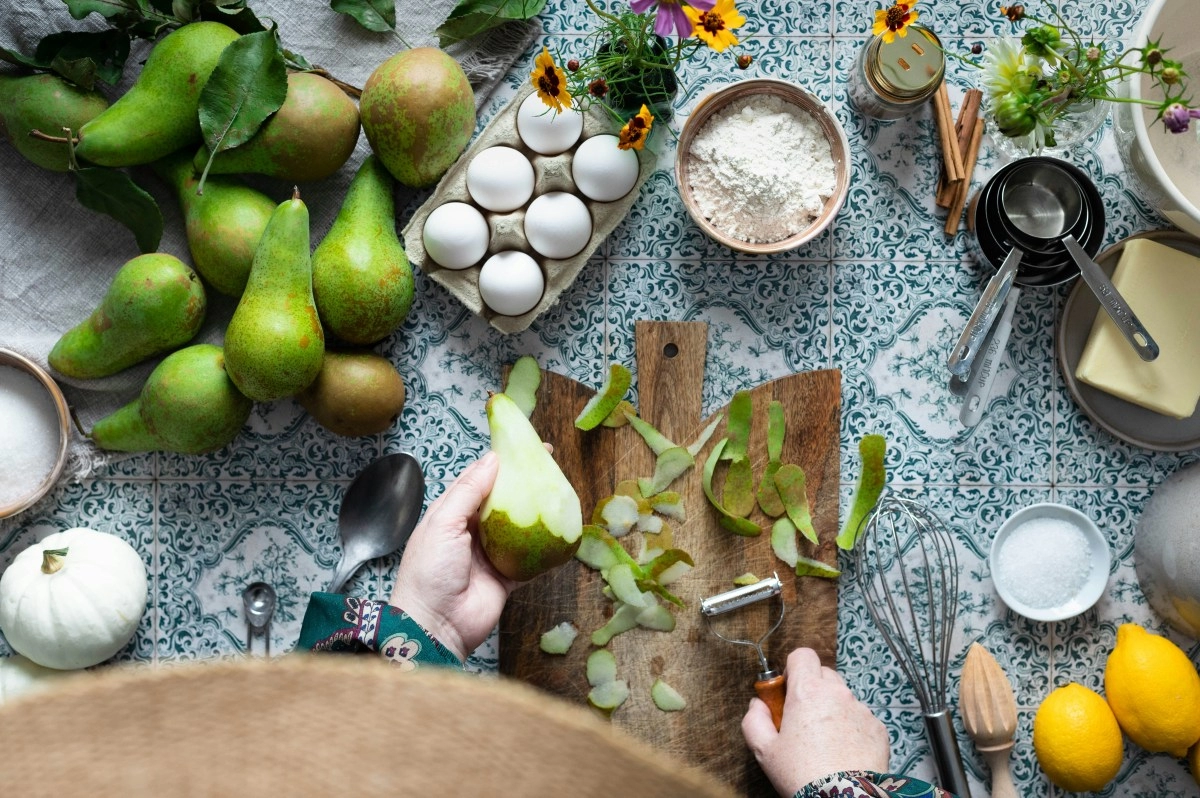
Wheat straw cutting boards offer solid benefits that make them a smart pick for everyday use in eco kitchens. First off, they’re lightweight and easy to handle, so prepping veggies and fruits feels less like a chore. Since these boards are made from renewable wheat fiber, they bring a natural, BPA-free option to your kitchen tools lineup—perfect for folks looking to avoid plastics.
They’re also pretty durable, standing up well to regular chopping and slicing without dulling your knives too fast. Plus, many wheat straw boards come with antibacterial properties, helping keep your food prep extra clean without harsh chemicals.
Another win is how easy they are to clean—usually just soap and water—which fits right into a zero-waste meal prep style. And since they’re compostable after their lifespan, they support green kitchen alternatives by reducing plastic waste.
In short, these boards bring a practical, eco-friendly edge to your kitchen, making sustainable cooking simpler for busy households in the US.
Facing the Cuts Key Challenges and Realistic Drawbacks
Wheat straw cutting boards offer a lot, but they’re not without their challenges. One common issue is durability. While these boards are lightweight and eco-friendly, they can wear out faster than hardwood or bamboo boards, especially if you do a lot of heavy chopping. Over time, deep knife marks may form, and that can affect hygiene since bacteria can hide in cuts.
Another drawback is water resistance. Wheat straw boards are more prone to absorbing moisture compared to plastic or composite boards. This means you have to be careful to dry them completely after washing to avoid warping or cracking.
Also, while most wheat straw boards are BPA-free and antibacterial, some lower-quality options might include additives or coatings that reduce the eco-friendly benefits. It’s important to check labels and reviews to ensure you’re choosing truly sustainable kitchenware.
In short, wheat straw boards work well for light to moderate chopping and meal prep, but if you’re after something ultra-durable or heavily water-resistant, you might want to weigh those needs before switching.
Head-to-Head Wheat Straw vs Common Cutting Board Alternatives
Wheat straw cutting boards stack up well against the usual suspects in kitchenware, like plastic, wood, and bamboo. Here’s a quick look at how they compare across key points:
Sustainability
- Wheat Straw: Made from renewable wheat fiber, these boards offer a biodegradable and compostable alternative, making them a solid zero-waste meal prep tool.
- Plastic: Mostly petroleum-based and not biodegradable. Even BPA-free options, like those mentioned in this guide, often sit in landfills for decades.
- Wood: Natural and renewable but requires responsible sourcing and care for longevity.
- Bamboo: Fast-growing and renewable but sometimes glued with synthetic adhesives, which can impact eco-friendliness.
Durability and Performance
- Wheat Straw Boards: Lightweight and surprisingly sturdy, though they may wear faster than wood or high-quality plastic with heavy knife use.
- Plastic Boards: Known for durability and knife-friendliness, come in non-slip options, and easy to clean.
- Wood Boards: Gentle on knives and self-healing but prone to stains and can harbor bacteria if not maintained.
- Bamboo Boards: Harder than traditional wood, durable but can dull knives quicker and may crack over time.
Food Safety and Maintenance
- Wheat Straw: BPA-free and often antibacterial, making them safe food prep essentials. They require hand washing and thorough drying to avoid warping.
- Plastic: Dishwasher safe, non-porous, and easy to sanitize.
- Wood: Requires oiling and gentle cleaning; not dishwasher safe.
- Bamboo: Similar to wood, needs regular maintenance and careful cleaning.
For an eco-friendly kitchen aiming to ditch plastic without losing practicality, wheat straw cutting boards hit a sweet spot. They offer green kitchen alternatives that balance biodegradable charm with solid day-to-day use. For tips on care and getting the best from your cutting boards, check out our guide on how to care for and clean your nonslip cutting board.
Making It Work Care Selection and Integration Tips for Your Kitchen
Choosing the right wheat straw cutting board for your eco-friendly kitchen means thinking about a few key factors. First, consider the size and weight—these boards are lightweight, which is great for easy handling but make sure it’s sturdy enough for your chopping needs. Look for BPA-free kitchen tools labeled as antibacterial to keep your food prep clean and safe.
To get the most out of your wheat straw cutting board, here are some quick care tips:
- Hand wash only with mild soap and warm water—avoid the dishwasher as high heat can warp the board.
- Dry thoroughly after washing to prevent moisture buildup and extend its lifespan.
- Store your cutting board standing up or in a dry spot to avoid warping or mold.
- Rotate between boards if possible—dedicate one for veggies and another for meats to keep things hygienic.
Integrating wheat straw boards alongside other green kitchen alternatives like stainless steel or plastic cutting boards with antimicrobial surfaces can give you a well-rounded setup. If you’re looking for variety, check out custom stainless steel and wood nonslip cutting boards or explore different textures to find what fits your cooking style.
By picking the right size, using proper care, and mixing eco-friendly cutting surfaces, you’ll keep your kitchen zero-waste ready and efficient without sacrificing performance.
The Future Chop Trends and Innovations in Sustainable Boards
Wheat straw cutting boards are just the beginning of a bigger trend in sustainable kitchenware. As more people in the U.S. look for green kitchen alternatives, manufacturers are pushing the limits on eco-friendly cutting surfaces. Here’s what’s coming next in the world of sustainable boards:
-
Improved durability and design
New blends combining wheat straw with other renewable fibers make boards stronger, more resistant to stains, and less prone to bacteria buildup. That means you get BPA-free kitchen tools that last longer and stay cleaner.
-
Antibacterial and self-healing surfaces
Innovations in natural antibacterial finishes are helping boards stay safer for food prep without chemicals. Plus, some are experimenting with self-healing materials to reduce knife marks and keep boards looking fresh.
-
Zero-waste meal prep essentials
Cutting boards are becoming part of a larger system of compostable kitchen tools, like veg choppers and prep bowls, all designed to reduce waste from cooking to composting.
-
Lightweight and multifunctional designs
More boards are being made lighter and easier to handle without sacrificing strength, perfect for the busy home cook managing everything from veggies to meats.
-
Customization and style upgrades
Sustainable boards are catching up on aesthetics too, offering more color options and sleek finishes that blend well into modern kitchens.
If you’re in the market for eco-friendly cutting boards, keep an eye on these trends. They’re geared toward making your kitchen more sustainable without giving up any of the practical perks you expect from your food prep tools. The future of chopping looks green and promising.
 English
  German
  Turkish
  Italian
  Russian
  Polish
  Arabic
  French
  Malay
Malay  Japanese
  Korean
  Thai
Thai