
Why Antibacterial Cutting Boards Matter in 2025
In every kitchen, cutting boards are the frontline defenders against foodborne bacteria. In 2025, with food safety still a top priority, understanding why antibacterial cutting boards matter is more crucial than ever. These boards do more than just provide a surface to chop – they help reduce the risk of cross contamination, keeping your food safe and your family healthy.
The Science Behind Food Safety
Bacteria like Salmonella and E. coli thrive on raw meat surfaces and can easily transfer to other foods without proper barriers. Antibacterial cutting boards use materials or treatments that actively resist bacterial growth, helping prevent harmful microbes from multiplying. This improves cutting board hygiene and lowers the chances of spreading illness in your kitchen.
Understanding Bacterial Risks in Your Kitchen
Every time you prepare raw meat or vegetables, you expose your kitchen to potential bacteria hotspots. Traditional cutting boards can develop cuts and grooves that trap bacteria, turning your prep area into a breeding ground for germs. That’s why choosing non toxic kitchen surfaces with natural antimicrobial properties or durable antibacterial treatments is key.
Myth vs Fact Do Antibacterial Labels Deliver
You’ve probably seen cutting boards branded as “antibacterial” or “bacteria resistant.” But do these labels always hold up? The truth is, not every antibacterial cutting board is created equal. Some rely on chemical coatings that wear off quickly, while others use proven materials like natural wood or titanium that fight bacteria without harmful toxins.
For an in-depth exploration of cutting board materials and how to separate fact from marketing, check out CalmChop’s detailed guide on The Truth About Antimicrobial Cutting Boards Are They Really Effective How to Choose. Choosing the right antibacterial cutting board material can make a real difference in your kitchen’s food safety this year.
How We Tested the Best Antibacterial Cutting Boards for 2025
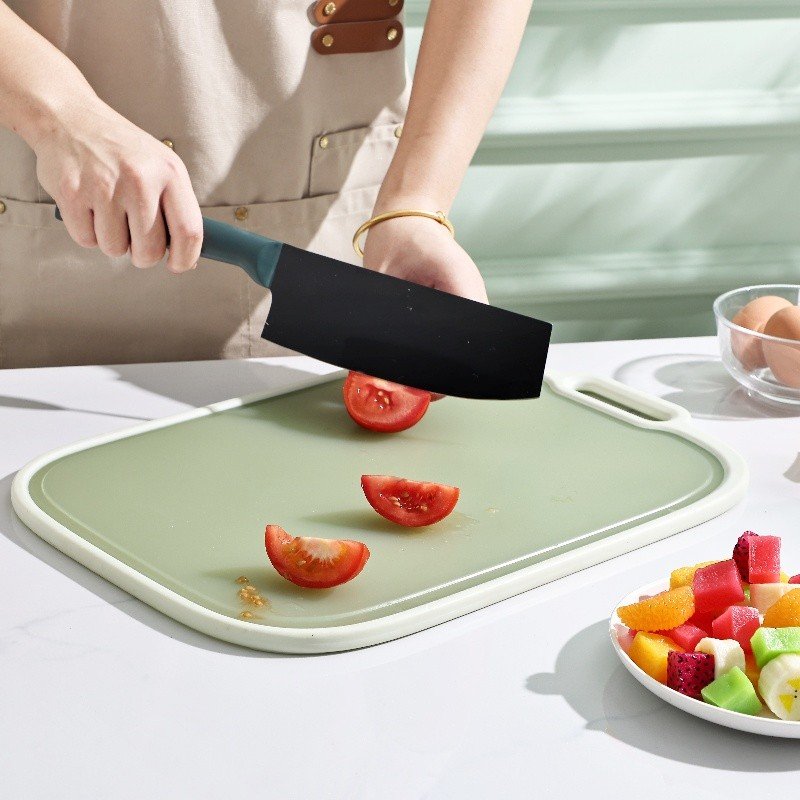
Choosing the right antibacterial cutting board isn’t just about labels—it’s about real performance. We put each board through tough, hands-on tests to see how well they handle bacteria and hold up over time.
Our Rigorous Methodology
- Bacterial Resistance: We checked how well each board resists bacteria growth, focusing on common kitchen threats like raw meat prep boards often face.
- Material Safety: All boards were evaluated for non toxic kitchen surfaces to make sure they’re safe for everyday use.
- Ease of Cleaning: We tested dishwasher safe cutting boards and those needing manual washing to see which maintain hygiene best.
- Durability and Wear: Boards that show early signs of damage can trap bacteria. We checked for scratches, cracks, and odor resistance.
- Knife Friendliness: Sharp knives need a forgiving surface, so we balanced hygiene with knife-friendly antibacterial boards.
- Cross Contamination Prevention: Assessed how well the boards help prevent food safety cross contamination by resisting staining and deep cuts.
Key Factors for What Really Works
From testing, we found these things matter most:
- Material quality plays a huge role in bacteria resistance and durability.
- Design features like juice grooves and silicone edges can improve hygiene and grip.
- Maintenance needs vary by material — what cleans well and lasts longer is a clear winner.
- USDA approved materials add peace of mind for food safety.
Our testing focus stayed on what matters for everyday kitchens in the U.S.: reliable bacteria resistant kitchen tools that keep your food safe without extra hassle.
Top Materials for Antibacterial Cutting Boards Wood Titanium Plastic and Beyond
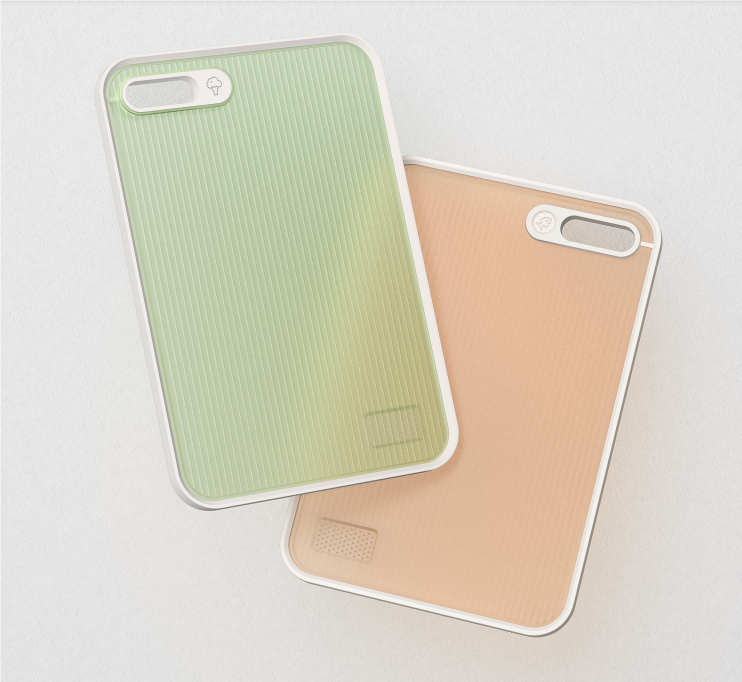
When it comes to antibacterial cutting boards in 2025, the material you choose makes all the difference. Let’s break down the top options worth considering.
Natural Wood The Unsung Hero with Built-In Defenses
Wood remains a strong contender thanks to its natural antimicrobial wood properties. Hardwood boards like maple and walnut resist bacteria better than you might expect. They’re knife-friendly, which helps keep your blades sharp longer, and many are USDA approved materials for food safety. Just keep in mind proper cleaning to avoid cross contamination, especially with raw meat prep boards.
Titanium and Stainless Steel 2025’s Innovation Leaders
Cutting boards made from titanium and stainless steel lead the pack for hygiene and durability. Titanium cutting board hygiene is hard to beat—these surfaces resist bacteria without harsh chemicals and are often dishwasher safe cutting boards. They’re great for those who want super tough, long-lasting options that are easy to sanitize. However, they can be harder on knives than wood.
Plastic and Composites When Convenience Wins But Watch for Toxins
Plastic cutting boards are popular for being affordable and dishwasher safe. Many feature antibacterial cutting board materials infused to reduce germs. However, some cheaper plastics can harbor bacteria in scratches and may contain harmful chemicals. Look for non-toxic kitchen surfaces that are BPA free and designed specifically to prevent bacteria buildup.
Emerging Trends Eco Friendly Hybrids and Silicone Edges
In 2025, eco friendly odor resistant boards are gaining ground. Hybrids mix natural woods with recycled plastics for a balance of durability and safety. Silicone-edged cutting boards reduce slipping and are easy to clean, adding extra protection against bacteria resistant kitchen tools. These trending materials focus on combining food safety with sustainability for the conscious consumer.
Our Top 7 Picks The Best Antibacterial Cutting Boards That Actually Perform in 2025
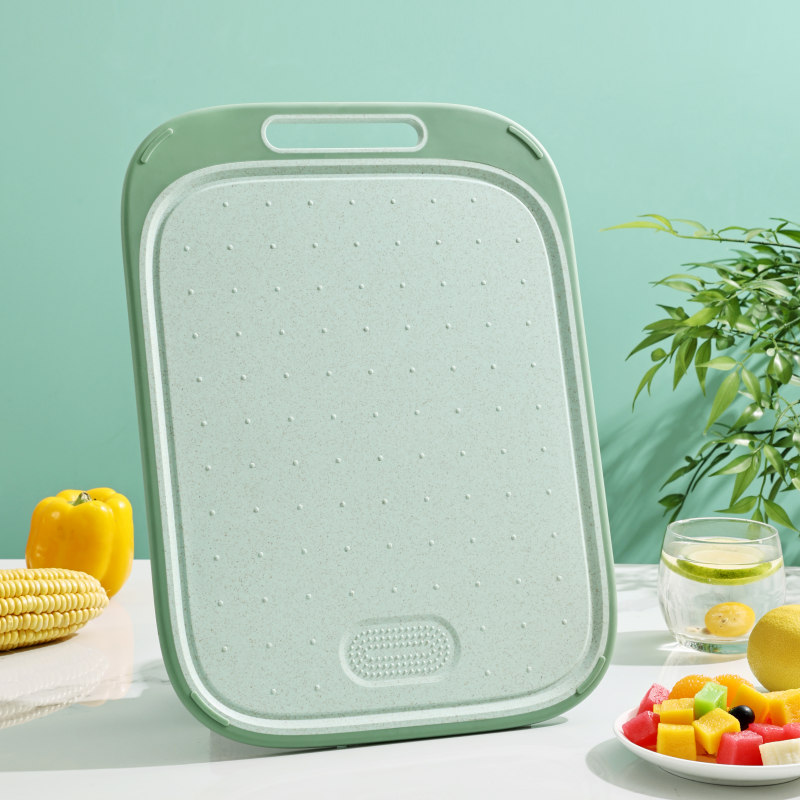
Finding the right antibacterial cutting board isn’t just about the label. In 2025, I tested a range of boards focusing on real performance—how well they resist bacteria, handle daily use, and stay safe for your kitchen. Here are my top 7 picks that deliver on all fronts:
-
CalmChop Pro Series
Natural antimicrobial wood with USDA approved materials. Knife friendly and easy to clean, CalmChop stands out for its built-in bacteria resistance and long-lasting durability.
-
TitaniumShield Cutting Board
Leading in titanium cutting board hygiene, this board is ultra durable and naturally bacteria resistant. Perfect for raw meat prep boards where hygiene is critical.
-
EcoBlend Composite Board
An eco friendly odor resistant board made from sustainable composites. Dishwasher safe and non toxic kitchen surfaces make it a smart choice for families.
-
SafeSlice Plastic Board
A high-grade plastic board that balances convenience with food safety cutting board standards. BPA free and easy to sanitize, great for everyday use.
-
WoodGuard Natural Board
This board uses natural wood’s antimicrobial properties and offers great protection from cross contamination. A classic option that remains effective in modern kitchens.
-
SiliconeEdge Hybrid Board
Features silicone edges that prevent slipping and improve hygiene. Combines plastic and silicone for better cleaning and durability.
-
Stainless Steel Pro Board
A standout for those who want metal innovation with easy maintenance. Its bacteria resistant kitchen tools like qualities make it perfect for heavy-duty chopping jobs.
Each pick has been tested for cutting board hygiene, durability, and real antibacterial performance. Choose one based on your cooking style and cleaning preferences to keep your kitchen safe and efficient in 2025.
Maintenance Guide Keeping Your Antibacterial Cutting Board Effective Long Term
Keeping your antibacterial cutting board in top shape is key to food safety and hygiene. Proper care helps prevent bacteria buildup and extends the life of your board. Here’s how to maintain your cutting board based on the material.
Daily Cleaning Routines by Material
-
Wood Cutting Boards
Wash with hot soapy water immediately after use. Avoid soaking to prevent warping. Dry thoroughly and treat regularly with food-grade mineral oil or natural antimicrobial wood oils to keep the surface sealed and bacteria resistant.
Tip: Never put wooden boards in the dishwasher — heat and water ruin the natural defenses. -
Plastic and Composite Boards
These usually handle dishwasher cleaning well, which helps kill bacteria. If hand washing, use hot water and a mild detergent. For stubborn odors or stains, apply a paste of baking soda and water, then rinse and dry.
Watch out: Some plastics can degrade or warp in high heat, so check if your board is dishwasher safe. -
Titanium and Stainless Steel Boards
Very durable and easy to clean. Just wipe them down with hot, soapy water or toss in the dishwasher. Their metal surface naturally resists bacteria, making them popular for raw meat prep boards and cross contamination prevention.
-
Silicone Edges and Hybrid Boards
Clean with warm water and mild soap, and ensure the edges stay intact to prevent bacteria hiding spots. These eco friendly odor resistant boards are easy to maintain but inspect for any tears or cracks.
When to Replace Signs of Wear and Tear
- Deep grooves or cuts harbor bacteria and are tough to clean — time to replace the board.
- Warping, heavy staining, or cracks, especially in wood and plastic boards, also mean it’s unsafe to continue using them.
- If you notice persistent odors after cleaning, it’s a sign your board may be compromised.
Pro Tips for Peak Performance
- Use separate boards for raw meats and vegetables to avoid cross contamination.
- Sanitize boards weekly with a vinegar spray or diluted bleach solution (1 tbsp bleach per gallon of water) for an extra hygiene boost.
- Store boards standing upright to ensure they dry completely between uses.
- Choose USDA approved materials for peace of mind on food safety standards.
- Use knife friendly antibacterial boards to protect your knives and keep cutting surfaces clean longer.
Following these simple maintenance steps will keep your antibacterial cutting boards reliable and safe for daily meal prep well into 2025 and beyond.
CalmChop Redefining Safe Chopping in 2025
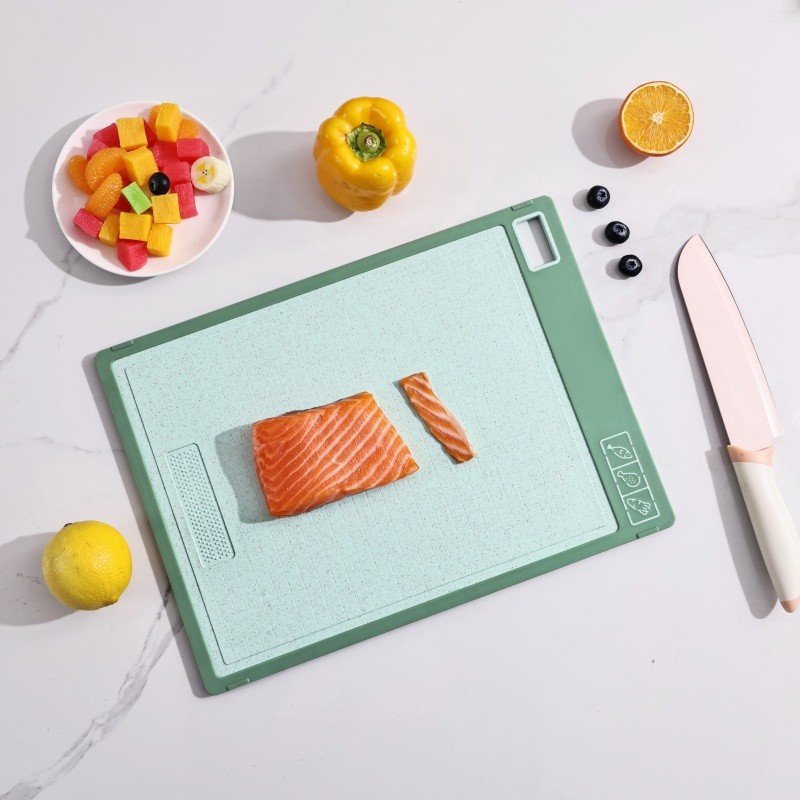
When it comes to antibacterial cutting boards, CalmChop is setting a new standard in 2025. Their boards blend innovative materials with smart design to tackle bacteria resistant kitchen tools challenges head-on. CalmChop cutting boards come with natural antimicrobial wood options and advanced plastic composites that prioritize food safety and cross contamination control.
What stands out is CalmChop’s focus on non toxic kitchen surfaces. Their boards are USDA approved materials, ensuring they’re safe for daily use, especially when prepping raw meat or vegetables. Plus, many CalmChop models are dishwasher safe, combining convenience with top-level hygiene. The knife friendly antibacterial boards are designed to protect your blades while reducing bacteria buildup — essential for any busy home kitchen.
For those interested in the latest in eco friendly odor resistant boards, CalmChop also offers hybrid designs featuring silicone edges that keep surfaces clean and food prep mess-free. Their approach advances food safety cutting board technology with practical solutions tailored for 2025 kitchen needs.
Check out more about why antimicrobial properties matter and how to sanitize plastic cutting boards effectively on CalmChop’s site for tips that go beyond just choosing the right board.
Final Thoughts Choose the Right Antibacterial Cutting Board for Your Kitchen
Choosing the best antibacterial cutting board for your kitchen in 2025 means balancing safety, durability, and convenience. Natural antimicrobial wood stands out for its built-in bacteria resistance and knife-friendly surface, perfect if you want a board that lasts and feels good under your knife. Titanium cutting boards offer top-notch hygiene and durability, making them great for those who want the latest innovation without compromising cleanliness. Plastic and composites work well when you need lightweight, dishwasher safe options, but watch out for toxic materials that can sneak in.
Remember, food safety and cross contamination go hand in hand with how you use and maintain your board. Whether prepping raw meat or fresh veggies, pick a USDA approved material that fits your cooking habits. Eco friendly odor resistant boards are becoming popular too, letting you stay green without sacrificing performance.
At the end of the day, the best antibacterial cutting board is one that keeps your kitchen safe, fits your style, and lasts with proper care. Keep it clean, replace it when worn, and enjoy peace of mind every time you cook.
 English
  German
  Turkish
  Italian
  Russian
  Polish
  Arabic
  French
  Malay
Malay  Japanese
  Korean
  Thai
Thai