
The Hidden Source of Contamination in Black Plastic
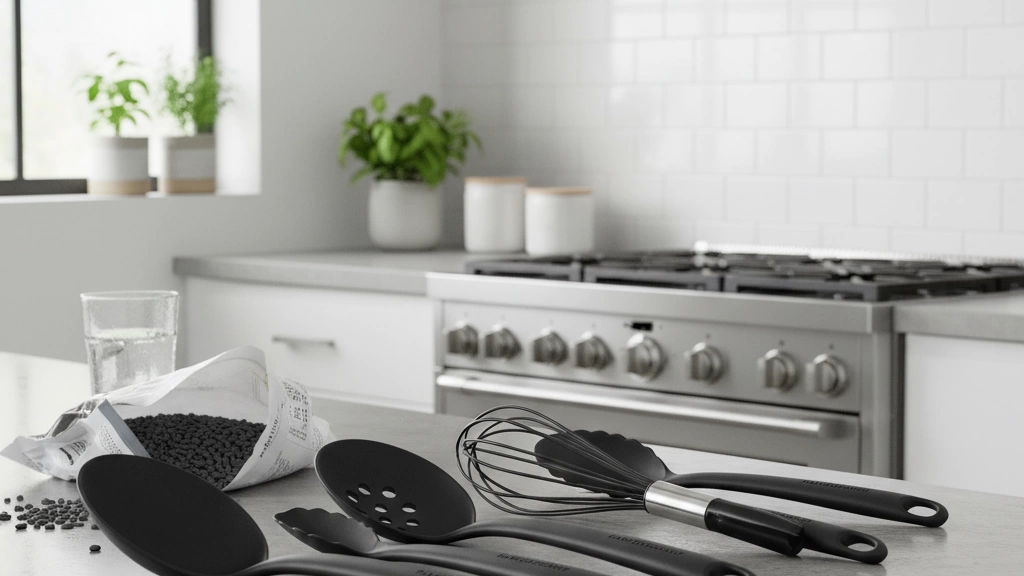
Have you ever wondered why so many black plastic kitchen tools might carry hidden chemicals? It turns out much of these items are made from recycled e-waste—like old TVs and computers. Manufacturers break down discarded electronics and reuse the plastic, creating affordable black utensils and gadgets for our kitchens.
But here’s the catch: those electronics often contain flame retardants, such as brominated compounds, added to prevent fires. These chemicals don’t just disappear; they linger in the recycled plastic. That’s why black plastics, especially those made from recycled materials, tend to have higher levels of flame retardants like DecaBDE compared to plastics in other colors.
To put this into perspective:
- Up to 70% of tested black plastic kitchen tools show significant flame retardant contamination.
- Black plastics contain flame retardants at levels 3 to 5 times higher than non-black or virgin plastics.
This widespread presence raises concern because these harmful substances can migrate from the utensils into food, especially when exposed to heat. Understanding this hidden contamination is crucial for safer kitchen choices.
Key Studies Exposing Flame Retardant Risks
Several important studies have highlighted the risks of flame retardants in black plastic kitchen tools. A 2025 analysis by the University of Toronto found DecaBDE, a common brominated flame retardant, in 70% of tested black plastic utensils. This chemical’s widespread presence raises red flags about contamination from recycled e-waste sources.
An EPA-funded study also revealed that brominated compounds can leach out of these plastics when exposed to high temperatures, such as in dishwashers or near hot pans. This chemical migration increases the chances of flame retardants entering food and coming into contact with users.
Meanwhile, the EU REACH program has linked similar brominated flame retardants to endocrine disruption. In the U.S., the Consumer Product Safety Commission (CPSC) reports parallel concerns, emphasizing potential hormonal effects that could affect long-term health.
For a clear overview, consider the infographic timeline outlining these major studies from 2018 through 2025, showing how growing research continues to uncover the hidden dangers lurking in common black plastic kitchen tools.
Health Implications Backed by Science
Handling black plastic kitchen tools containing flame retardants can cause short-term skin irritation and other acute issues. These chemicals, especially polybrominated diphenyl ethers (PBDEs), can leach out during use, raising exposure risks.
The bigger concern is long-term. PBDEs tend to build up in the body over time, and studies—including data from NIH and NIEHS—link them to thyroid problems, reproductive harm, and developmental delays in children. These endocrine disruptors interfere with hormone functions, making them particularly dangerous.
Certain groups are more vulnerable: pregnant women, children, and frequent home cooks face higher risks from repeated exposure. Even low-level everyday contact can add up, while occupational or high-dose contact leads to more severe effects.
To protect your health, it’s important to recognize these risks and limit exposure whenever possible. For those looking for safer kitchen options, exploring non-toxic materials can reduce these long-term health threats.
Regulatory Landscape and Testing Gaps
When it comes to flame retardants in black plastic kitchen tools, U.S. regulations still leave much to be desired.
- FDA: There are no specific bans on flame retardants in food-contact plastics. Many of these chemicals sneak through under the FDA’s Generally Recognized as Safe (GRAS) loopholes, meaning they can be used without full safety reviews.
- EPA TSCA Updates: The Toxic Substances Control Act (TSCA) has pushed some phase-outs of harmful PBDEs like DecaBDE. However, enforcement is spotty—especially in imported products and recycled plastics, which are common sources of black plastics in kitchens today.
- Third-Party Testing: Certifications like CertiPUR and GREENGUARD are well-known in other categories but rarely cover kitchen utensils. This leaves many black plastic tools untested for flame retardant contamination.
- EU vs. US: The European Union has stricter, legally binding REACH regulations that limit flame retardants in consumer products, including kitchenware. The U.S. mostly relies on voluntary guidelines, which means fewer protections for American consumers.
| Aspect | United States | European Union |
|---|---|---|
| Specific Bans in Kitchenware | No | Yes (REACH restrictions) |
| Enforcement on Imports | Limited | Strong |
| Testing & Certification | Voluntary, limited coverage | Mandatory compliance |
| Consumer Protection | Low | Higher |
This gap in regulation and testing means many black plastic kitchen tools still pose risks—especially from flame retardants leaching during everyday use. For safer options, brands like Calmchop use tested, virgin materials free from these chemical additives. To learn more about durable, safe kitchen items, check out our guide on choosing a durable plastic cutting board.
Identifying and Avoiding Risky Black Plastic Tools

When choosing black plastic kitchen tools, watch out for red flags like cheap imports, a dull matte black finish, or a strong chemical smell—these often signal higher levels of flame retardants and toxic additives. To reduce your exposure:
- Avoid heating black plastic tools above 140°F, since heat speeds up the leaching of harmful brominated flame retardants (PBDEs).
- Hand-wash only—dishwashers can further degrade plastics, increasing chemical migration.
- Replace any cracked or damaged items promptly, as breakdowns allow more contaminants to escape.
For safe disposal, use e-waste recycling programs to keep these harmful substances out of landfills and stop the contamination cycle. Managing old black plastic tools responsibly helps protect both your kitchen and the environment.
If you’re ready to upgrade, explore safer options like stainless steel or flame-retardant-free materials by checking out Calmchop’s durable products, including their wide range of safe, premium cutting boards and kitchen tools made from virgin, food-grade materials, giving you peace of mind in the kitchen. For more details, visit our ultimate guide to choosing the perfect stainless steel cutting board.
Safer Alternatives to Black Plastic Kitchen Tools
When it comes to avoiding flame retardants and harmful chemicals, choosing the right kitchen tools is key. Here’s a quick look at safer materials you can trust:
| Material | Benefits | Drawbacks | Flame Retardant Risk |
|---|---|---|---|
| Silicone | Heat-resistant, non-leaching, flexible | Can be pricier than plastic | Very low |
| Bamboo/Wood | Natural, biodegradable, renewable | Requires more care (hand wash) | None |
| Stainless Steel | Durable, easy to clean, non-toxic | Can scratch non-stick pans | None |
Why Calmchop stands out: Calmchop offers cutting boards and kitchen tools made from virgin, food-grade materials without flame retardants or recycled e-waste content. Their products combine durability with safety, giving you peace of mind in the kitchen.
For a detailed look at picking the right chopping boards that blend style and function, check out Calmchop’s practical guide on how to pick the right cutting board for your kitchen.
The Eco Angle
Switching to alternatives like silicone, bamboo, or stainless steel also helps reduce plastic waste. Avoiding black plastics with hidden flame retardants supports a circular economy and breaks the cycle of contamination from recycled e-waste materials.
By choosing safer kitchen tools, you protect your family, reduce chemical exposure, and contribute to a healthier planet.
What Consumers Can Do Next
Taking control over what goes into your kitchen starts with advocacy and smart shopping. Supporting bans on e-waste materials in food-contact items is key—reach out to your legislators and make your voice heard. Policies that restrict flame retardants in recycled plastics can help keep harmful chemicals like PBDEs out of your home.
When shopping, look for trusted labels such as BPA-free and Prop 65 compliant products. These certifications indicate safer materials less likely to leach harmful substances. Avoid cheap black plastic tools, especially those with a matte finish or strong chemical odors, as they often come from recycled electronics containing flame retardants.
For peace of mind, consider switching to safer kitchen essentials made from non-toxic, durable materials. Brands like Calmchop offer cutting boards and utensils crafted from virgin, food-grade materials without flame retardants or recycled e-waste. Explore Calmchop’s granite cutting boards and stainless steel-plastic cutting boards for trusted alternatives that combine safety with durability.
By advocating for safer standards and choosing well-made, tested kitchen tools, you reduce your family’s exposure to harmful flame retardants and help push the market toward healthier, greener options.
 English
  German
  Turkish
  Italian
  Russian
  Polish
  Arabic
  French
  Malay
Malay  Japanese
  Korean
  Thai
Thai