
Why Replace Your Round Plastic Chopping Board in 2025?
If you’re still using a round plastic chopping board, 2025 is the perfect time to consider an upgrade. Here’s why:
Health Hazards
Plastic boards can hide more than just scratches. Over time, tiny cuts trap bacteria, making sanitation tougher. Plus, constant contact with food may expose you to harmful chemicals like BPA and phthalates that leach from low-grade plastics. Even more concerning is the increasing evidence around microplastic ingestion—tiny plastic particles that can contaminate your meals and pose potential health risks.
Environmental Impact
Plastic chopping boards don’t break down easily. Once discarded, they contribute to mounting non-biodegradable waste, with many ending up polluting oceans and waterways. Choosing more sustainable options helps reduce this environmental footprint.
Performance Drawbacks
Plastic boards often warp, stain, or develop deep grooves, which not only harbor germs but also dull your knives faster. Hard plastics can damage knives, forcing more frequent sharpening or replacement. This affects both your kitchen efficiency and the lifespan of your tools.
2025 Regulatory Updates
New FDA guidelines for food-contact plastics have tightened safety standards going into 2025. Consumers are also demanding zero-toxic, BPA-free kitchen tools for safer cooking environments. These changes underline the need to switch to better, certified materials that protect both your health and the planet.
Upgrading from a worn-out plastic round chopping board isn’t just a smart hygiene move—it’s an important step toward a healthier kitchen and a cleaner environment.
Key Signs It’s Time for a Replacement
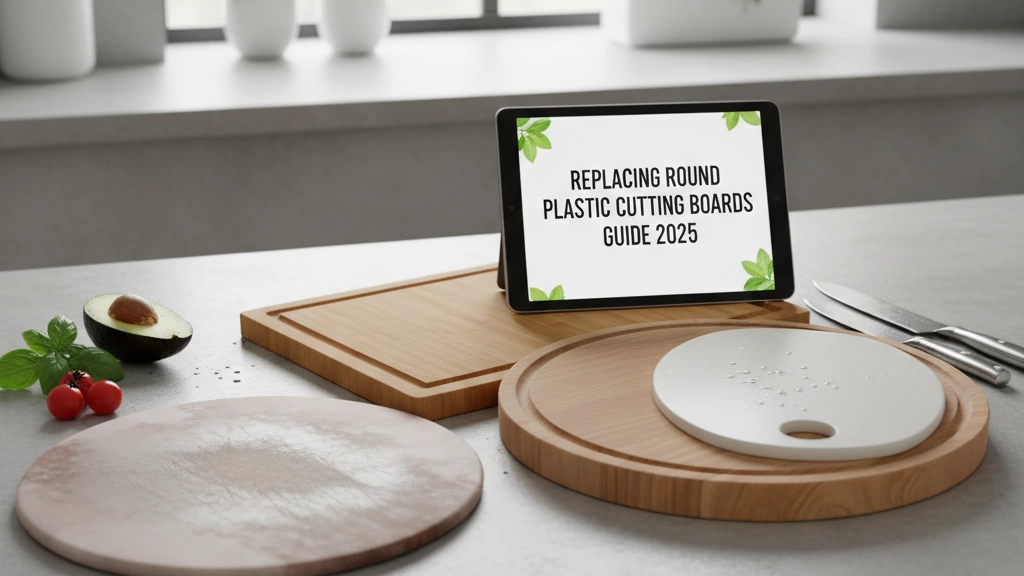
Knowing when to replace your round plastic chopping board is essential for both health and kitchen efficiency. Here are the top signs to watch for:
- Visible damage: If your board has deep grooves, cracks, noticeable discoloration, or has warped, it’s time to swap it out. These imperfections can trap bacteria and affect your prep work.
- Hygiene red flags: Persistent odors that won’t wash away, mold growing in crevices, or failing sanitation checks are clear signals your board is no longer safe to use.
- Usage-based timeline: For heavy users, replacing your board every 1 to 2 years is a smart rule of thumb. A quick self-assessment checklist—checking for cracks, odor, and overall wear—can keep you on track.
Regularly evaluating these signs helps ensure your kitchen tool stays safe and effective, supporting a plastic-free kitchen upgrade with healthier tools.
Understanding Non-Toxic Materials for Round Cutting Boards
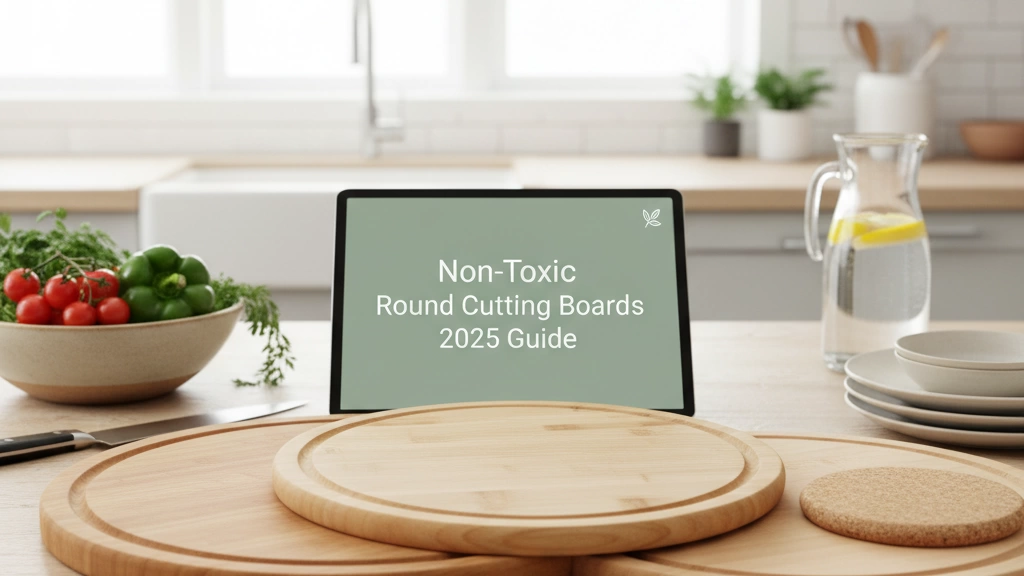
When choosing a non-toxic round cutting board, wood is a top go-to. Options like maple, bamboo, and walnut are naturally antibacterial and have self-healing surfaces that close up small cuts, helping prevent bacteria build-up. Bamboo, in particular, is eco-friendly and budget-friendly, while hardwoods like maple offer durability and knife-friendly textures.
If you want something beyond traditional wood, consider composite and eco-alternatives. Boards made from wood fiber composites (like Epicurean-style boards), cork, or recycled materials combine sustainability with performance. These options often come with easier maintenance and BPA-free certifications.
Avoid boards made from melamine or cheap plastics, as they can leach harmful chemicals and degrade quickly. When shopping, look for certification marks like NSF, FDA approval for food-contact surfaces, or FSC-certified wood to guarantee safety and sustainability.
A special nod to Calmchop’s end-grain construction: their round boards feature this design for superior durability and gentler impact on your knives, keeping blades sharp longer. This makes them a smart choice for anyone upgrading to a non-toxic, long-lasting replacement. For an in-depth look at picking the right materials and care, check out this detailed guide on choosing a cutting board that protects your health and materials.
Top Non-Toxic Round Cutting Board Recommendations for 2025
Here’s a quick look at the best non-toxic round cutting boards for 2025, organized by budget and features:
| Category | Model | Material | Size | Price | Key Features | Pros | Cons |
|---|---|---|---|---|---|---|---|
| Budget Pick | Bamboo Round Board | Bamboo | 12–14 inches | Under $30 | Lightweight, natural antibacterial | Affordable, eco-friendly, BPA-free | Softer surface, may wear faster |
| Mid-Range | Hardwood Maple with Juice Groove | Maple Hardwood | 14–16 inches | $45–$70 | Juice groove, slightly thicker | Durable, knife-friendly, easy to clean | Heavier, requires regular oiling |
| Premium | Calmchop Signature Round Board | End-grain wood | 15–18 inches | $100+ | Reversible, non-slip edges, lifetime warranty | Extremely durable, gentle on knives, certified non-toxic | Higher upfront cost |
Why Choose Calmchop?
Calmchop boards are known for their end-grain construction, making them knife-friendly and incredibly durable. They also feature non-slip edges for safer chopping and a reversible design for versatile prep work. Plus, their lifetime warranty shows confidence in quality and longevity for your kitchen upgrade.
For more on why these non-toxic cutting board alternatives matter in 2025, check out this detailed post on why consumers are questioning plastic cutting boards, microplastics, and hygiene alternatives.
Whether you’re on a budget or ready to invest, there’s a sustainable, BPA-free kitchen tool perfect for upgrading your prep space this year.
Step-by-Step Buyer’s Guide to Choosing the Right Replacement

Choosing a non-toxic round plastic chopping board replacement starts with assessing your needs. Aim for a board diameter between 12 to 18 inches, which fits most kitchen spaces while providing enough prep area. Thickness matters too—thicker boards tend to last longer and resist warping better.
Next, focus on material selection. Look for boards that have passed toxicity testing and come from sustainable sources like responsibly harvested hardwood or bamboo. Ease of cleaning is key; materials that don’t trap bacteria or odors keep your kitchen safer.
Prioritize features that add versatility and convenience:
- Reversible sides for extended use
- Built-in handles for easy maneuvering
- Juice grooves that prevent messes without sacrificing cutting space
When it comes to where to buy, trusted US retailers like Amazon and Williams-Sonoma offer a variety of certified options. For specialty boards, especially premium choices like Calmchop’s reversible round prep boards, buying directly from manufacturers guarantees authenticity and warranty benefits.
A few budgeting tips: invest in boards that balance cost with durability. Avoid cheap imports lacking proper certifications (FDA, NSF, FSC) since they may pose health risks or wear out quickly. Think long-term savings by choosing trustworthy brands with proven non-toxic, eco-friendly products.
How to Transition Smoothly from Plastic to Non-Toxic
Switching from plastic to a non-toxic round chopping board is easier than you might think. Start by disposing of your old plastic boards responsibly—check with your local recycling programs to see if they accept worn-out plastics, or get creative by upcycling them into craft projects or garden trays. Avoid tossing them in the trash where they add to landfill and ocean pollution.
When you bring home your new wood or composite board, give it an initial treatment by seasoning it with mineral oil. This simple step helps protect the surface, enhances durability, and keeps it from drying out. Regularly apply mineral oil, especially on wood boards like bamboo or maple, to maintain that smooth, knife-friendly finish.
To make everyday prep easier, pair your non-toxic board with good knife care habits. Keeping your knives sharp and clean not only extends their life but also reduces damage to the board. A well-maintained knife will glide smoothly over your board’s surface, preserving its integrity and keeping your kitchen setup running flawlessly. For insights on how quality materials and surface textures can improve your kitchen tools, check out this detailed guide on how to identify the quality of wholesale antislip cutting boards.
Maintenance and Longevity Tips for Your New Board
To keep your non-toxic round cutting board in top shape, follow these simple care steps:
-
Cleaning protocols: Always hand-wash your board with warm water and mild soap. Avoid the dishwasher, which can warp or crack wood and eco-friendly materials. For natural sanitizing, use vinegar or lemon juice to gently kill bacteria without harsh chemicals.
-
Storage: Store your board upright or on its edge. This helps air circulate and prevents moisture buildup that causes warping or mold growth.
-
Routine care: Oil your board every month with food-safe mineral oil—this keeps the wood hydrated and prevents cracking. For minor scratches or rough spots, lightly sand the surface with fine-grit sandpaper to restore a smooth cutting surface.
-
Calmchop care kit: For extended durability and a beautiful finish lasting 10+ years, consider Calmchop’s specially formulated care kit. It includes mineral oil and board balm designed specifically for their end-grain and hardwood boards, enhancing protection while staying non-toxic.
Proper maintenance makes a huge difference in longevity and performance, helping you enjoy a safer, eco-friendly kitchen upgrade for years to come. For more detailed care tips, check out Calmchop’s FAQs on board maintenance.
Common Myths and FAQs About Non-Toxic Round Boards
Myth: Wood boards harbor more bacteria than plastic.
This is a common misconception. In reality, wood—especially hardwoods like maple or walnut—has natural antimicrobial properties that can actually reduce bacteria growth. Plastic boards often develop deep grooves where bacteria can hide and multiply if not cleaned well. So, a well-maintained wood board can be just as safe or even safer than plastic.
FAQ 1: Are round boards less stable?
Round cutting boards can feel less stable than rectangular ones because they don’t have corners to grip your countertop. However, many non-toxic round boards come with non-slip edges or rubberized feet for stability. Choosing a board with these features, like Calmchop’s non-slip round cutting boards, can easily solve this issue.
FAQ 2: What foods work best on round boards?
Round boards are great for tasks requiring frequent rotation, like carving meats, slicing fruits, or prepping cheese platters. Their shape also makes them popular for serving, doubling as eco-friendly charcuterie boards.
FAQ 3: What about warranties?
Top brands of non-toxic round chopping boards often include warranties that cover defects and warping. For example, Calmchop offers a lifetime warranty on some of their signature round boards, ensuring your investment lasts for years.
For more on choosing the right board and the importance of non-slip design, check out our detailed guide on the best cutting board features to look for before buying.
 English
  German
  Turkish
  Italian
  Russian
  Polish
  Arabic
  French
  Malay
Malay  Japanese
  Korean
  Thai
Thai