
If you’ve ever paused before slicing raw chicken or prepping fresh veggies, you’re not alone—and for good reason. Cutting boards can quickly become hotspots for harmful bacteria, posing a serious risk in our kitchens. That’s where antibacterial technology steps in, transforming ordinary boards into powerful allies against cross-contamination and foodborne illness. In this post, we’ll dive into how these innovations boost the food safety of cutting boards, cutting down bacteria by up to 99% while keeping your prep space cleaner and safer. Ready to discover how smart materials and science are reshaping your kitchen hygiene? Let’s get started.
The Hidden Dangers Why Cutting Boards Are a Food Safety Risk
Cutting boards might seem like harmless kitchen tools, but they can actually be a major source of food safety problems. Every time you chop raw meat, fruits, or vegetables, tiny bacteria get trapped in the surface grooves. These bacteria, including harmful strains like E. coli, can linger and multiply, increasing the risk of foodborne illness.
Traditional cutting boards, especially those made from porous materials, absorb juices and harbor biofilms—a tough layer of bacteria that’s hard to clean. This creates the perfect environment for bacterial cross-contamination, where germs transfer from one food to another, leading to sickness.
Think about it: how often do you notice scratches or worn spots on your board? Those are not just cosmetic issues—they provide hideouts for germs. Even with regular washing, some bacteria survive, making your cutting board a hidden risk in your kitchen.
Understanding these dangers is the first step to better food safety. That’s where antimicrobial plastic surfaces and antibacterial cutting board technology come in to protect your family while making cleanup easier.
What Is Antibacterial Technology and How Does It Work
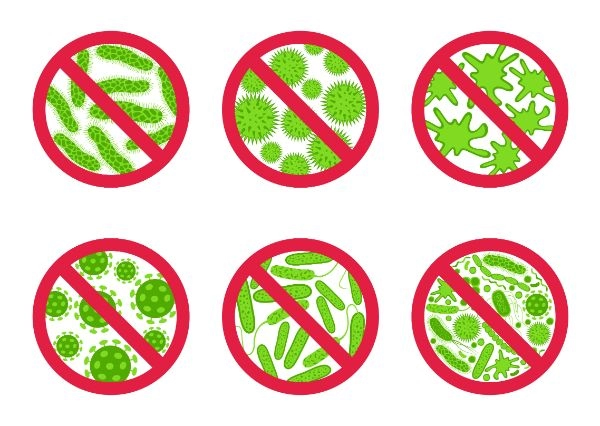
Antibacterial technology refers to materials treated to actively reduce or stop the growth of bacteria on their surfaces. For cutting boards, this means using antimicrobial plastic surfaces or additives that prevent bacteria like E coli from thriving. These surfaces are designed to be biofilm-resistant, so germs don’t stick around and multiply.
This technology works by disrupting the bacteria’s ability to survive or reproduce right on the board. Instead of just sitting there, bacteria get inhibited or killed, cutting down the risk of cross-contamination in your kitchen. Many antibacterial cutting boards use Microban cutting board technology or similar systems embedded into the material, ensuring protection lasts even after multiple uses and washes.
In short, antibacterial cutting boards provide an extra layer of defense that helps keep your food prep area more hygienic and safer from foodborne illness. They’re especially helpful in busy home kitchens where preventing bacterial cross-contamination is a top priority.
Proven Benefits Enhancing Hygiene and Longevity in Your Kitchen
Antibacterial technology on cutting boards brings clear advantages that improve both cleanliness and durability in everyday food prep. These boards feature antimicrobial plastic surfaces that actively reduce bacteria growth, making them highly effective at bacterial cross-contamination prevention. This is crucial in reducing foodborne illness risks, especially from pathogens like E coli.
Because they are often made from non-porous materials, antibacterial cutting boards resist absorbing juices and odors—this keeps them cleaner and fresher longer compared to traditional wood boards. Plus, many models include biofilm-resistant features, stopping stubborn bacteria colonies from forming over time.
On top of better hygiene, these antibacterial boards tend to last longer. Their knife-friendly antibacterial surfaces hold up well against daily chopping and slicing, reducing the chances of deep cuts where microbes can hide. This means less frequent replacement and a safer kitchen overall.
By choosing antibacterial cutting boards, you’re investing in a safer, more sustainable food prep tool that keeps your kitchen clean and your family healthy.
Antibacterial Cutting Boards vs Traditional Options A Head-to-Head Comparison
When it comes to keeping your kitchen safe, antibacterial cutting boards clearly stand out against traditional ones. Here’s a quick look at how they compare:
1. Hygiene and Bacterial Control
- Antibacterial cutting boards use antimicrobial plastic surfaces that actively prevent the growth of bacteria like E. coli.
- Traditional wood or plastic boards can develop biofilms, which trap bacteria and increase the risk of cross-contamination.
- With Microban cutting board technology, antibacterial boards reduce foodborne illness risks by keeping harmful germs in check.
2. Material and Durability
- Non-porous chopping boards with antibacterial properties don’t absorb moisture, preventing bacteria buildup and odors.
- Traditional wooden boards tend to warp or crack over time, harboring bacteria in those cracks.
- Antibacterial boards are generally knife-friendly, balancing durability with gentle surfaces that protect your blades.
3. Maintenance and Cleaning
- Antibacterial cutting boards are easier to clean and often show less staining. Their biofilm-resistant surfaces cut down on the need for harsh scrubbing or frequent replacement.
- Traditional boards require more careful maintenance to avoid contamination and may need regular oiling or sanding.
4. Environmental Impact
- Many antibacterial cutting boards, like those made from sustainable food prep materials, offer eco-friendly alternatives to plastic or hardwood boards.
- Traditional boards vary widely, but untreated plastics are less sustainable, and some hardwood options may contribute to deforestation.
In short, antibacterial cutting boards provide a safer, longer-lasting, and more hygienic option that fits the needs of busy American kitchens. They’re a smart choice if you want to reduce foodborne illness risks while enjoying durable, easy-to-use cutting surfaces.
Real-World Applications Integrating Antibacterial Tech into Daily Food Prep

Antibacterial cutting boards fit naturally into everyday kitchen routines, making food prep safer and cleaner. Whether you’re chopping veggies, slicing meat, or prepping fish, these boards help reduce the risk of bacterial cross-contamination. Their non-porous chopping boards surface blocks germs like E coli and other harmful bacteria from settling in, which is a big plus for busy households.
Here’s how you can make the most out of antibacterial technology in your kitchen:
- Use separate boards for raw and cooked foods to prevent foodborne illness reduction.
- Rely on Microban cutting board technology or similar antimicrobial plastic surfaces to keep bacteria levels low during prep.
- Swap out traditional boards for biofilm-resistant cutting boards that don’t hold onto residue or moisture.
- Opt for knife-friendly antibacterial boards that won’t dull your knives but still offer tough protection against germs.
These boards are especially useful in families with kids or elderly members who are more vulnerable to foodborne illnesses. Plus, in the U.S., where kitchen hygiene standards are key, having an antibacterial cutting board aligns with safe food handling practices recommended by health experts.
Whether you’re a home cook or someone running a small kitchen, integrating these hygienic kitchen tools keeps your prep area cleaner and your food safer every day.
Maintenance and Care Maximizing Your Antibacterial Cutting Board’s Potential
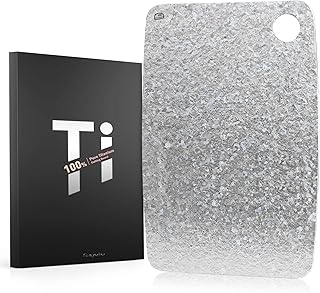
To get the most out of your antibacterial cutting board, simple care routines go a long way. These boards, especially those with antimicrobial plastic surfaces, are designed to resist bacteria like E coli and prevent biofilm buildup. Still, keeping them clean and well-maintained ensures they stay safe and last longer.
Here’s how to maximize your board’s potential:
- Clean right after use: Wash with warm soapy water immediately to remove food particles and bacteria.
- Avoid harsh scrubbing: Use a soft sponge instead of abrasive pads to protect the knife-friendly antibacterial surface.
- Air dry completely: Make sure your board dries fully before storing to prevent moisture that can promote bacterial growth.
- Skip soaking: Don’t leave your board submerged; prolonged water exposure can damage even non-porous chopping boards.
- Occasional disinfecting: Use a diluted vinegar solution or food-safe antibacterial spray for extra hygiene.
- Rotate use: If you have multiple boards, switch them regularly to reduce wear and contamination.
- Store properly: Keep your antibacterial cutting board in a clean, dry place away from direct sunlight to maintain its sustainable food prep materials.
By following these simple steps, your antibacterial cutting board will stay a reliable tool in your kitchen, helping with bacterial cross-contamination prevention and keeping your food prep safe day after day.
Why Choose calmchop Innovation in Safe Sustainable Plastic Cutting Boards
When it comes to antibacterial cutting boards, calmchop stands out as a trusted name for American kitchens. Their cutting boards combine advanced antimicrobial plastic surfaces with eco-friendly materials, giving you peace of mind while preparing food. Unlike traditional wood or porous boards, calmchop’s non-porous chopping boards are designed to resist biofilm buildup and inhibit E coli and other harmful bacteria, which means fewer risks of bacterial cross-contamination in your home.
Here’s why calmchop cutting boards are a smart choice:
- Safe and Sustainable Materials: Made from recyclable, BPA-free plastic, calmchop boards are both eco-friendly and food safe. This meets U.S. standards for sustainable food prep materials, ideal if you want to go green without compromising hygiene.
- Microban Cutting Board Technology: Their boards feature built-in antibacterial protection that actively reduces microbes on the surface, helping lower foodborne illness risks any time you slice or dice.
- Knife-Friendly and Durable: calmchop cutting boards maintain a smooth surface that’s tough on germs but gentle on your knives, so your blades stay sharp longer without damaging the board.
- Easy Cleaning and Maintenance: Being biofilm-resistant and dishwasher safe means these boards are easier to keep hygienic over time, making them perfect for busy households.
- Custom Options Available: Whether you’re a home cook or a food safety cutting boards supplier, calmchop offers customizable solutions to fit different kitchen needs and styles.
Choosing calmchop means investing in a cutting board that cares for your family’s health and the planet. It’s a reliable way to upgrade your kitchen with hygienic, sustainable food prep tools tailored for U.S. homes built around safety and convenience.
 English
  German
  Turkish
  Italian
  Russian
  Polish
  Arabic
  French
  Malay
Malay  Japanese
  Korean
  Thai
Thai