
Ever notice your cutting board looking worse for wear—cracks, stains, or warping—and wonder how to keep it going strong? If you’re searching for cutting board maintenance tips that actually work, you’re in the right place. This quick guide dives into five key ways to extend its lifespan, so you can save money, protect your kitchen’s hygiene, and keep chopping like a pro. Whether you’re dealing with wood, bamboo, or tired plastic boards, these easy-to-follow tips will turn everyday care into lasting durability. Ready to give your cutting board a longer life? Let’s get started!
Why Cutting Board Maintenance Isn’t Optional The Hidden Costs of Neglect
Have you ever noticed your cutting board looking cracked, warped, or smelling off? Ignoring proper cutting board maintenance might seem harmless, but it can lead to serious problems that affect your kitchen hygiene and wallet. When cutting boards aren’t cared for, they become breeding grounds for bacteria, increasing the risk of foodborne illness. Cracks and grooves from chopping can trap food particles and germs, making sanitizing a nightmare.
Besides the health hazards, neglect can cause your favorite kitchen tool to wear out faster and lose its knife-friendly surface. Wooden or bamboo boards that aren’t oiled regularly dry out, develop splits, and even start to warp or mold. Plastic boards might become dull and scratch-ridden, which also invites bacteria.
Skipping maintenance means spending more money replacing boards often and potentially compromising food safety. A well-maintained cutting board, on the other hand, can last for years, looking great and working perfectly with every meal prep session. So, isn’t it worth giving your cutting board a little love to keep it safe, durable, and ready for your next chopping adventure?
Tip 1 Master the Clean Gentle Washing to Banish Bacteria Without the Damage
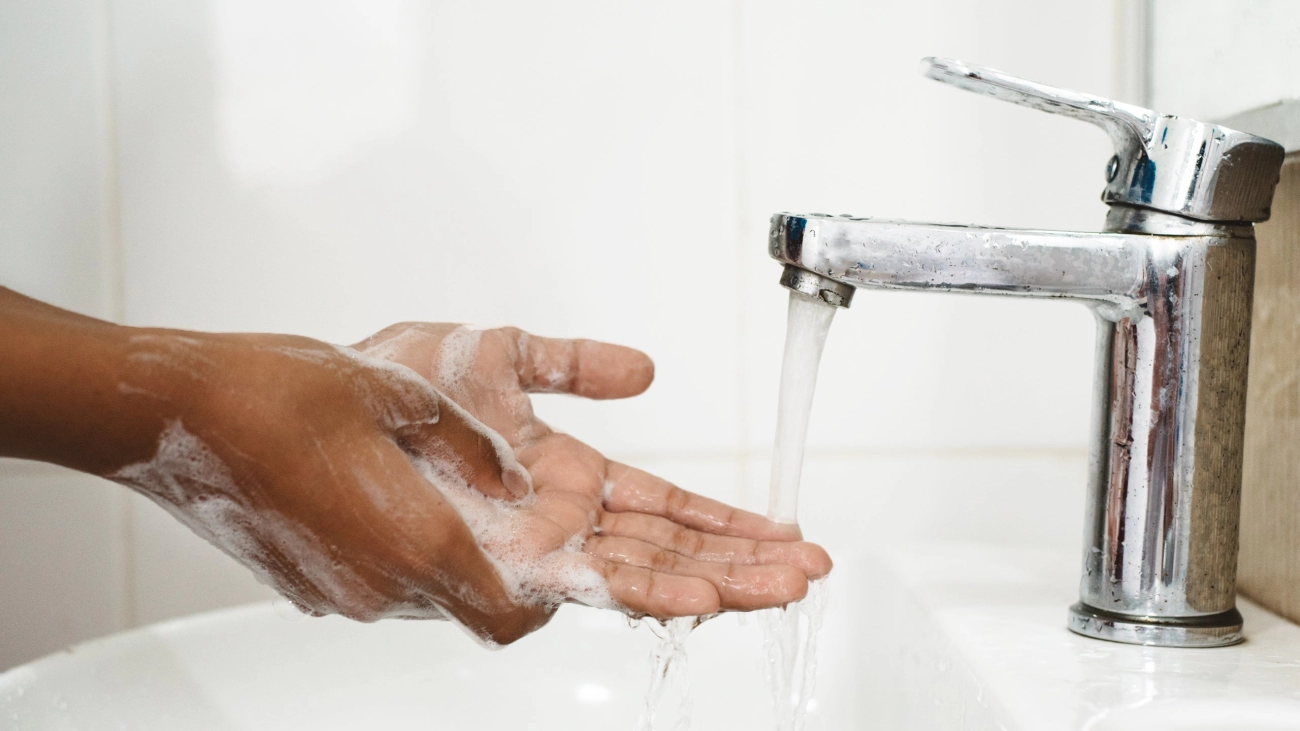
Keeping your cutting board clean is key to preventing bacteria buildup, but it’s important to avoid harsh methods that damage the surface. For wooden or bamboo cutting boards, steer clear of the dishwasher—even if your board claims to be dishwasher safe, the heat and water pressure can cause warping and cracks over time. Instead, wash your board by hand with warm water and mild dish soap immediately after use.
Use a soft sponge or cloth to scrub away food particles gently. Avoid soaking your board in water; prolonged moisture leads to swelling and can make cracks worse. For non-porous plastic cutting boards, you have more flexibility—they can usually handle more thorough cleaning and occasional sanitizing with a diluted bleach solution or vinegar for extra food safe mineral oil application.
After washing, rinse thoroughly and dry right away using a clean towel. This simple washing routine not only helps you keep your board sanitary but also extends its lifespan by preventing damage that forces premature replacement. Following these cutting board sanitizing hacks keeps your kitchen safe without sacrificing the board’s durability.
Tip 2 Oil It Right Condition Your Board Like a Pro for Crack-Free Resilience
Oiling your cutting board is a must if you want to prevent chopping board cracks and keep it looking great. Regularly applying a food safe mineral oil helps maintain the wood’s moisture balance, stopping it from drying out and warping over time. Here’s how to nail your wooden cutting board oiling routine:
- Choose the right oil – Stick to food safe mineral oil or specially made cutting board oils. Avoid vegetable or cooking oils, which can turn rancid.
- Apply generously – Pour a small amount of oil on the board and spread it evenly with a clean cloth or paper towel.
- Let it soak in – Give the oil several hours, ideally overnight, to penetrate deep into the wood.
- Wipe off excess – Remove any leftover oil with a dry cloth to avoid sticky surfaces.
- Repeat regularly – Once a month is a good schedule, but if you use your board a lot, increase the frequency.
This simple oiling routine extends your board’s life and keeps it knife friendly, soft on blades and resistant to cracks. For bamboo boards, the same oiling principle applies, but combined with proper drying to avoid brittleness. Following this tip keeps your cutting board strong and ready for years of chopping and slicing.
Tip 3 Dry Smart Evaporate Moisture to Stop Warps and Mold in Their Tracks

Drying your cutting board properly is a must if you want to prevent warping, cracks, and mold growth. After washing, don’t just toss it on the counter or stuff it in a cabinet while still wet. Instead, follow these simple steps:
- Air dry upright: Stand your board on its edge or lean it against a wall to let air circulate on both sides. This helps moisture evaporate faster and more evenly.
- Avoid standing water: Never leave your board soaking or stacked flat with wet dishes on top. Trapped moisture can cause swelling and invite mold.
- Use bamboo board drying techniques: Bamboo boards, common in the US, dry best when stored vertically and away from damp spots in the kitchen.
- Skip the dishwasher: Most wooden boards are not dishwasher safe. The high heat and water cause wood fibers to swell and warp quickly.
- Pat dry with a clean towel: If you’re in a hurry, lightly towel-dry the board before setting it to air dry, but never rely on towels alone.
By adopting a smart drying habit as part of your cutting board maintenance, you’ll stop cracks and mold before they start, preserving your board’s strength and hygiene longer.
Tip 4 Rotate and Rest Even Out Wear for Balanced Long Lasting Performance
To keep your cutting board working well for years, rotating and resting it is key. When you use the same spot all the time, that area wears down faster, leading to grooves and cracks. Instead, switch up where you cut to spread out the wear evenly. This simple habit helps prevent deep knife marks and keeps the surface smoother longer, protecting your knives too.
Also, giving your board a break between uses lets it rest and dry fully. Continuous use without rest traps moisture, which can cause warping or mold, especially with wooden and bamboo boards. By rotating your cutting spots and letting your board rest, you’re extending its lifespan and maintaining a cleaner, safer surface.
Keep this routine part of your wooden cutting board oiling routine or when caring for your bamboo board drying techniques. This approach works well with all cutting boards, including non-porous plastic cutting boards, helping to prevent chopping board cracks and keeping your kitchen tools lasting longer.
Tip 5 Store and Protect Shield from Heat Sun and Daily Assaults

How you store your cutting board makes a big difference in how long it lasts. Keep your board away from direct sunlight and heat sources like stoves or dishwashers, which can cause warping, cracking, or drying out. Avoid stacking heavy items on top, as daily pressure can weaken the structure over time.
For best results:
- Store boards upright to let air circulate around them.
- Use a dedicated rack or slot in your kitchen cabinet.
- Keep them in a cool, dry place to prevent moisture buildup and mold.
Remember, even the best wooden cutting boards need proper storage to stay knife friendly and crack-free. Treat your board like a kitchen pro with these simple steps, and you’ll extend its lifespan while keeping it safe for food prep.
Beyond the Basics Tailoring Care for Your Board Type
Not all cutting boards are made the same, so it’s important to adjust your care routine based on the material. Here’s how to keep your board in top shape, whether it’s wood, bamboo, or plastic.
Wooden Cutting Boards
- Follow a regular wooden cutting board oiling routine using food safe mineral oil. This keeps the wood from drying out and prevents cracking.
- Avoid soaking in water or throwing it in the dishwasher—it damages the wood and strips natural oils.
- Use gentle cleaning methods and dry thoroughly to prevent warping and mold.
Bamboo Boards
- Bamboo is a bit harder but still benefits from oiling about once a month to stay resilient.
- After washing, use proper bamboo board drying techniques—stand it upright or lean against a well-ventilated surface to dry completely.
- Avoid extended water exposure to stop swelling or splitting.
Plastic and Non-Porous Boards
- These boards can often be safer for bacteria control and are mostly dishwasher safe, but always check the manufacturer’s guidelines.
- For deep cleaning, use effective cutting board sanitizing hacks like diluted bleach solutions or vinegar sprays.
- Replace plastic boards once deep grooves or cracks develop, as bacteria can hide there despite cleaning.
Tailoring your care routine based on your board type will help you prevent chopping board cracks, keep the surface knife friendly, and extend kitchen tool lifespan. This simple adjustment makes a big difference, especially if you want your cutting board to last through lots of meal prep and daily kitchen use.
 English
  German
  Turkish
  Italian
  Russian
  Polish
  Arabic
  French
  Malay
Malay  Japanese
  Korean
  Thai
Thai