
If you’re a B2B buyer looking to invest in high-quality plastic cutting boards in 2025, you already know this isn’t just about picking any board off the shelf. With tougher food safety regulations and growing concerns around microplastics, making the right choice has never been more critical. In this guide, we’ll cut through the noise and show you exactly how to select durable, FDA-certified plastic cutting boards that protect your kitchen’s hygiene, optimize costs, and align with sustainability goals. Ready to make smarter procurement decisions that boost your bottom line? Let’s get started.
Why Plastic Cutting Boards Remain Essential for Commercial Kitchens in 2025
In 2025, plastic cutting boards continue to be a staple in commercial kitchens across the United States. Their affordability and scalability make them ideal for high-volume operations, such as restaurants, catering services, and institutional kitchens. Unlike wood, plastic cutting boards offer a non-porous surface that aligns with FDA guidelines on food safety, reducing the risk of bacteria harboring in deep grooves and making cleaning more efficient.
Additionally, the industry is shifting toward eco-friendly options, especially high-density polyethylene (HDPE), as concerns over microplastic contamination grow and regulatory bans come into effect. HDPE cutting boards strike the right balance between durability, safety, and sustainability, making them the preferred choice for commercial kitchens focused on hygiene and environmental responsibility.
If you’re looking to optimize your kitchen with durable food prep surfaces that meet hygiene standards and eco-conscious goals, plastic cutting boards remain your best option. Consider switching to commercial HDPE cutting boards that offer FDA-certified plastic boards for enhanced confidence.
Ready to explore more on choosing the right cutting boards for your operation? Keep reading for key insights and practical tips tailored for B2B foodservice procurement teams.
Key Challenges in Selecting Plastic Cutting Boards for B2B Procurement
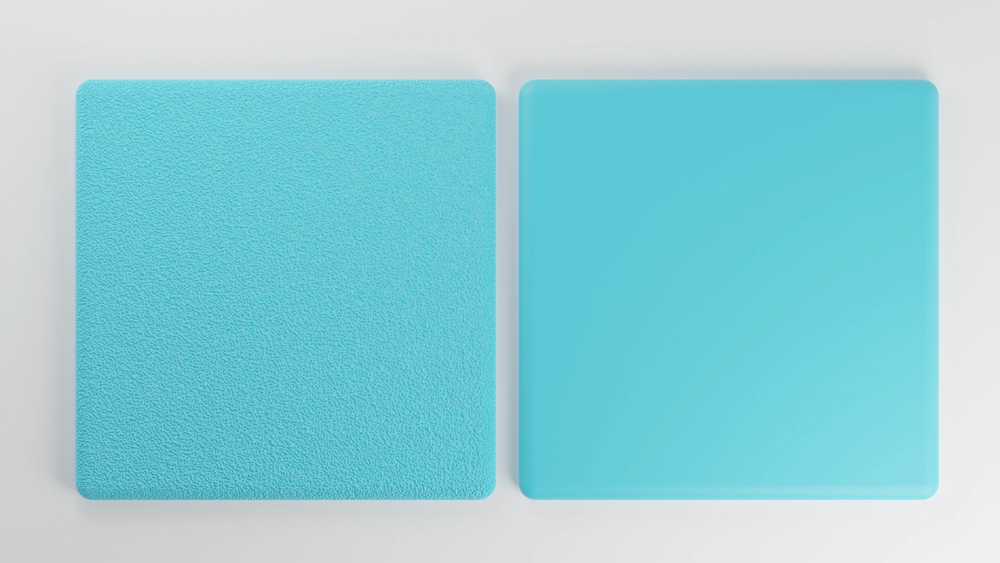
Choosing the right plastic cutting boards for a commercial kitchen isn’t always straightforward. One major challenge is deep grooves that develop over time, which can harbor bacteria and create compliance risks with health regulations. These grooves make it hard to keep boards truly clean, especially when following strict food safety standards like those from the FDA.
Another issue is the quality of materials. Cutting boards made from lower-grade plastics tend to dull knives quickly and warp under heavy use. This not only compromises food prep speed but also increases your total cost of ownership because you’ll replace boards and blades more often.
Finally, supply chain volatility is a concern. Imported boards can vary widely in quality, while U.S.-made options often offer more consistent performance and reliability. When you’re buying bulk wholesale cutting boards, it’s critical to weigh these factors carefully to avoid unexpected downtime and costs.
Focusing on trusted, FDA-certified plastic boards made from durable HDPE can help overcome these challenges.
Essential Criteria for Evaluating High-Quality Plastic Cutting Boards
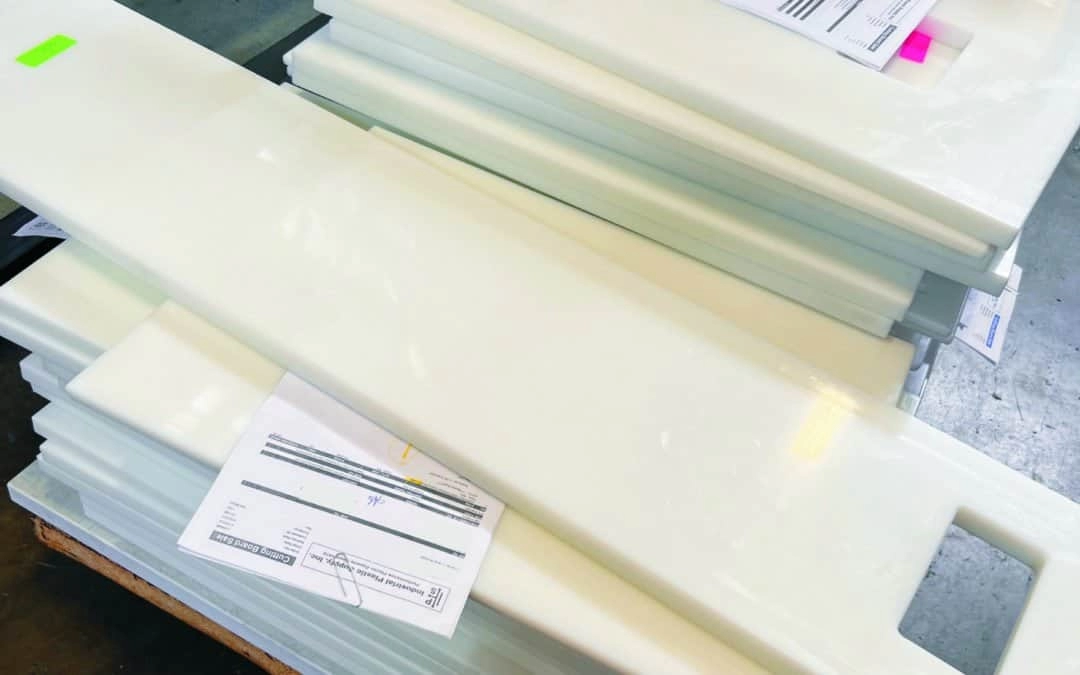
When selecting plastic cutting boards for your commercial kitchen, focusing on these key criteria ensures you get durable, safe, and cost-effective products.
Material Composition
Choose cutting boards made from high-density polyethylene (HDPE). This material is durable, FDA-certified, and FDA-compliant, making it the safest choice for food prep. HDPE resists deep grooves and warping, helping prevent bacteria buildup and extending the board’s life.
Hygiene and Color-Coding Standards
Look for color-coded kitchen hygiene systems that separate boards by food type (e.g., red for raw meat, green for vegetables). This reduces cross-contamination and aligns with industry best practices. Boards should be easy to clean and withstand frequent sanitizing without degrading.
Size, Thickness, and Design Features
Select boards that fit your kitchen’s prep areas and workflow. Thicker boards offer stability and resist cracking under heavy use. Features like juice grooves, non-slip edges, and double-sided designs improve functionality and efficiency in busy operations.
Knife-Friendliness and Longevity
Choose knife-friendly polyethylene boards that protect your knives from dulling quickly. This lowers your overall cost by reducing knife sharpening and replacement needs. A balance between hardness and flexibility ensures longevity under daily wear.
Sustainability and Compliance Certifications
Opt for suppliers who prioritize sustainability, offering microplastic-free alternatives and recyclable materials. Look for boards with relevant compliance certifications like FDA, FDA, and those aligned with evolving eco-friendly standards in the U.S. foodservice industry.
Focusing on these factors helps B2B buyers pick plastic cutting boards that meet hygiene, durability, and sustainability demands for 2025 and beyond.
Step-by-Step B2B Buying Process for Plastic Cutting Boards in 2025
Buying plastic cutting boards in bulk for your commercial kitchen doesn’t have to be tricky. Here’s a clear process to make sure you get high-quality, durable, and cost-effective boards that meet your needs.
Step 1 Assess Your Kitchen’s Needs
- Identify prep volume: How many boards do you need daily? Bulk wholesale cutting boards can save money if you prep heavily.
- Determine sizes and types: Different tasks require custom-sized commercial boards or standard sizes. Consider if you need double-sided or color-coded options for hygiene.
- Check hygiene protocols: Make sure the boards support your kitchen’s food safety rules, like color-coded kitchen hygiene for cross-contamination prevention.
Step 2 Research Suppliers and Request Samples
- Look for trusted plastic cutting boards suppliers or manufacturers that offer FDA-certified, commercial HDPE cutting boards.
- Ask for samples to feel the texture, test thickness, and see if the knife-friendly polyethylene meets your standards.
- Verify sustainability claims — check if the boards are microplastic-free alternatives and come with compliance certifications.
Step 3 Test for Performance and ROI
- Use samples in real kitchen conditions to check durability and see if they resist warping or deep grooves that harbor bacteria.
- Evaluate how the boards hold up after repeated cleaning and cutting to avoid extra costs from frequent replacements.
- Confirm if the boards’ lifespan and hygiene benefits offset the upfront cost, ensuring a positive return on investment (ROI).
Step 4 Negotiate Bulk Deals and Logistics
- Once you settle on a supplier, discuss pricing for bulk orders to secure the best deal.
- Check delivery timelines and flexibility, especially with supply chain volatility in mind. Reliable U.S.-made products often offer smoother logistics.
- Ask about post-sale support, like replacement policies or 24/7 customer service, to avoid surprises down the line.
Following these steps will help you find the right plastic cutting boards that support performance, hygiene, and sustainability in your commercial kitchen.
Top 2025 Trends Shaping B2B Plastic Cutting Board Purchases

As we move deeper into 2025, several key trends are shaping how B2B buyers select plastic cutting boards for commercial kitchens. Staying on top of these trends can help you choose the best durable food prep surfaces that meet your operation’s needs.
Antimicrobial Technology Integration
More suppliers are offering commercial HDPE cutting boards with built-in antimicrobial treatments. These reduce bacteria growth in deep grooves, supporting color-coded kitchen hygiene and boosting food safety. For businesses focused on FDA-certified plastic boards, antimicrobial boards offer an extra layer of protection without extra cleaning time.
Custom Branding for Hospitality Chains
Restaurants and hospitality chains want their supplies to reflect their brand identity. Custom-sized commercial boards with logos and unique designs are in demand. This trend helps kitchen teams stay organized and builds brand consistency, while also giving buyers confidence in bulk wholesale cutting boards tailored to their needs.
Hybrid Materials for Premium Segments
To meet the demand for microplastic-free alternatives and knife-friendly polyethylene, some manufacturers are now blending materials. Hybrid cutting boards offer improved durability, better resistance to warping, and longer knife life. These premium boards are ideal for high-volume kitchens willing to invest in sustainable restaurant supplies that last longer and reduce costs over time.
These trends will continue to influence B2B foodservice procurement in 2025, helping buyers prioritize hygiene, branding, and sustainability in their plastic cutting board choices.
Why Choose CalmChop as Your Plastic Cutting Board Partner
When it comes to selecting a reliable partner for bulk wholesale cutting boards, CalmChop stands out. As a proud U.S.-based manufacturer, we understand the unique needs of American commercial kitchens. Our locally made commercial HDPE cutting boards meet the highest FDA-certified hygiene and safety standards, ensuring you get durable food prep surfaces built to last.
We offer custom cuts and eco-friendly lines designed specifically for modern kitchens aiming to reduce their environmental footprint with microplastic-free alternatives. Our custom-sized commercial boards and color-coded options help maintain strict kitchen hygiene while boosting operational efficiency. Plus, our 24/7 support means we’re always here to help with orders, logistics, or any questions.
One of our recent case studies highlights how a chain of restaurants reduced their knife wear and replacement costs by 30% while improving food safety. They also cut down waste by switching to our sustainable, long-lasting boards. Choosing CalmChop means smart investment in quality, sustainability, and service—critical factors in your B2B foodservice procurement decisions for 2025.
 English
  German
  Turkish
  Italian
  Russian
  Polish
  Arabic
  French
  Malay
Malay  Japanese
  Korean
  Thai
Thai