
Understanding Environmental Policies Impacting Plastic Cutting Boards
Plastic cutting boards are more than just kitchen tools now—they’re part of a bigger environmental conversation. Around the world, governments are tightening regulations to reduce plastic waste and combat microplastics pollution, especially in food preparation settings. For businesses and buyers, understanding these policies is crucial to staying compliant and choosing eco-friendly plastic cutting boards that align with sustainability goals.
Key Global and Regional Regulations
Several key regulations shape how plastic cutting boards should be manufactured and disposed of:
- U.S. EPA and FDA Guidelines: Emphasize the use of non-toxic food contact materials and restrict harmful additives.
- European Union’s Circular Economy Action Plan: Pushes for recyclable materials and extended product life cycles.
- California’s Proposition 65: Regulates chemicals in products, promoting safer material choices.
- Plastic Waste Reduction Initiatives: Many states enforce bans or restrictions on single-use plastics, indirectly impacting kitchenware.
These policies drive demand for HDPE recyclable boards and other sustainable kitchenware manufacturing practices that minimize environmental impact.
The Microplastics Challenge and Why Recyclability Matters
Microplastics in food prep have become a significant health and environmental concern. Cutting boards made of low-quality plastics can shed tiny particles into food over time. Choosing recyclable plastic cutting boards reduces microplastics pollution by supporting materials that can be safely processed and reused rather than ending up in landfills or oceans.
Recyclability is not just about disposal—it’s about closing the loop in a circular economy, where products are designed for longevity, safety, and reuse. This approach benefits brands by supporting ESG compliance, a key factor for consumers and stakeholders.
Compliance Checklist for Buyers
When selecting plastic cutting boards under evolving environmental policies, look for the following:
- Made from approved recyclable polymers like HDPE or polypropylene (PP).
- Certified non-toxic food contact materials verified by FDA or equivalent authorities.
- Clear labeling of recyclability and safe disposal methods.
- Compliance with regional laws such as Proposition 65 or local plastic waste bans.
- Evidence of third-party testing and certification for durability and food safety.
Taking these steps helps your business stay ahead of regulations while delivering safe, sustainable products your customers can trust.
Essential Criteria for Selecting Recyclable Plastic Cutting Boards
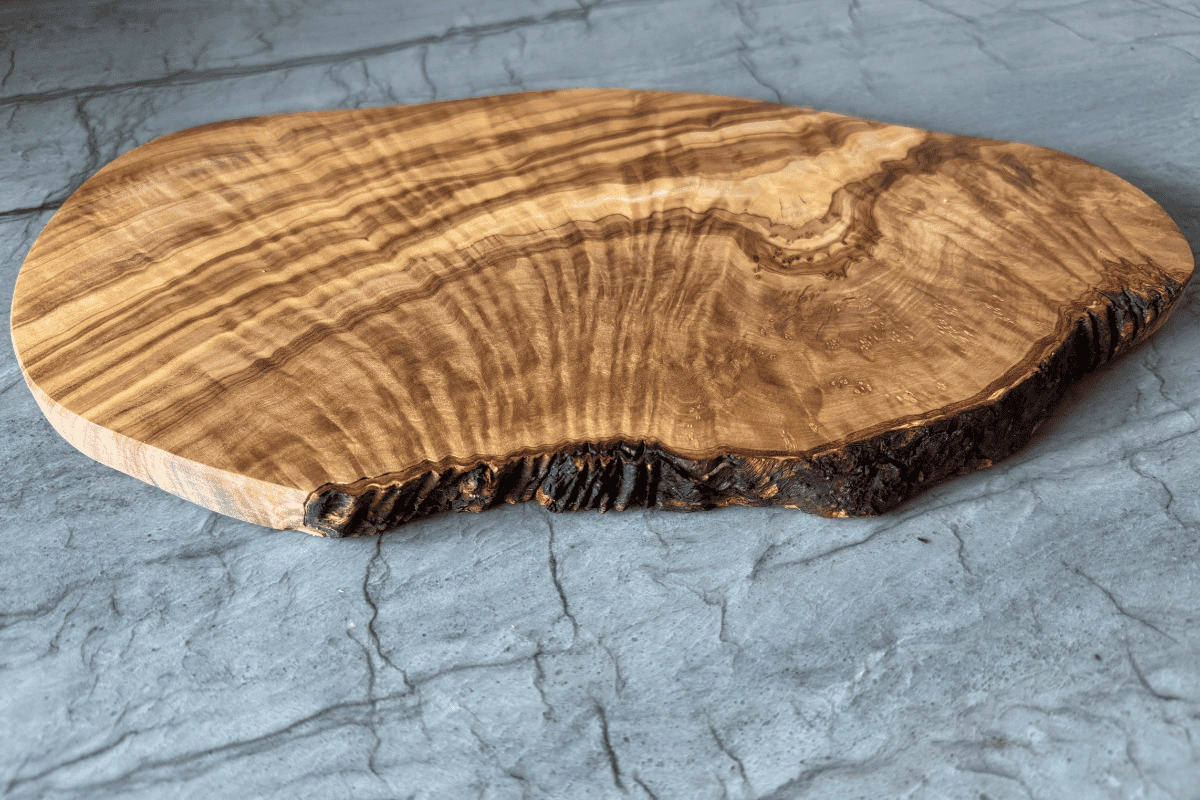
When choosing recyclable plastic cutting boards, it’s important to focus on materials, certifications, and features that match both environmental policies and kitchen needs.
Material Breakdown Prioritizing Recyclable Polymers
- HDPE (High-Density Polyethylene) is the top choice for eco-friendly plastic cutting boards. It’s durable, non-toxic, and widely recyclable in the U.S.
- Avoid boards made from mixed plastics or non-recyclable polymers that can’t enter the circular economy.
- Look for cutting boards labeled specifically as recyclable plastic cutting boards to ensure they meet environmental standards.
Certifications and Testing Standards
- Choose boards tested for food safety with USDA or FDA seal approval to confirm they use non-toxic food contact materials.
- Certifications like BPI compostable or ISO 14001 can indicate a strong commitment to sustainability.
- Antibacterial and non-slip cutting board manufacturers often offer tested products that comply with ESG compliance for brands.
Performance and Practical Features
- The cutting board should resist deep grooves to minimize microplastics in food prep, which is a real health concern.
- Opt for easy-to-clean surfaces that reduce bacteria buildup, especially if working in commercial kitchens.
- Practical features like custom cutting boards with logo or TPE edges can add value without compromising recyclability.
- Consider durability because a longer-lasting board reduces waste and aligns with green supply chain strategies.
Choosing recyclable plastic cutting boards with these criteria ensures you’re meeting U.S. environmental policies while keeping your kitchen efficient and safe.
Integrating Recyclable Cutting Boards into Your Supply Chain
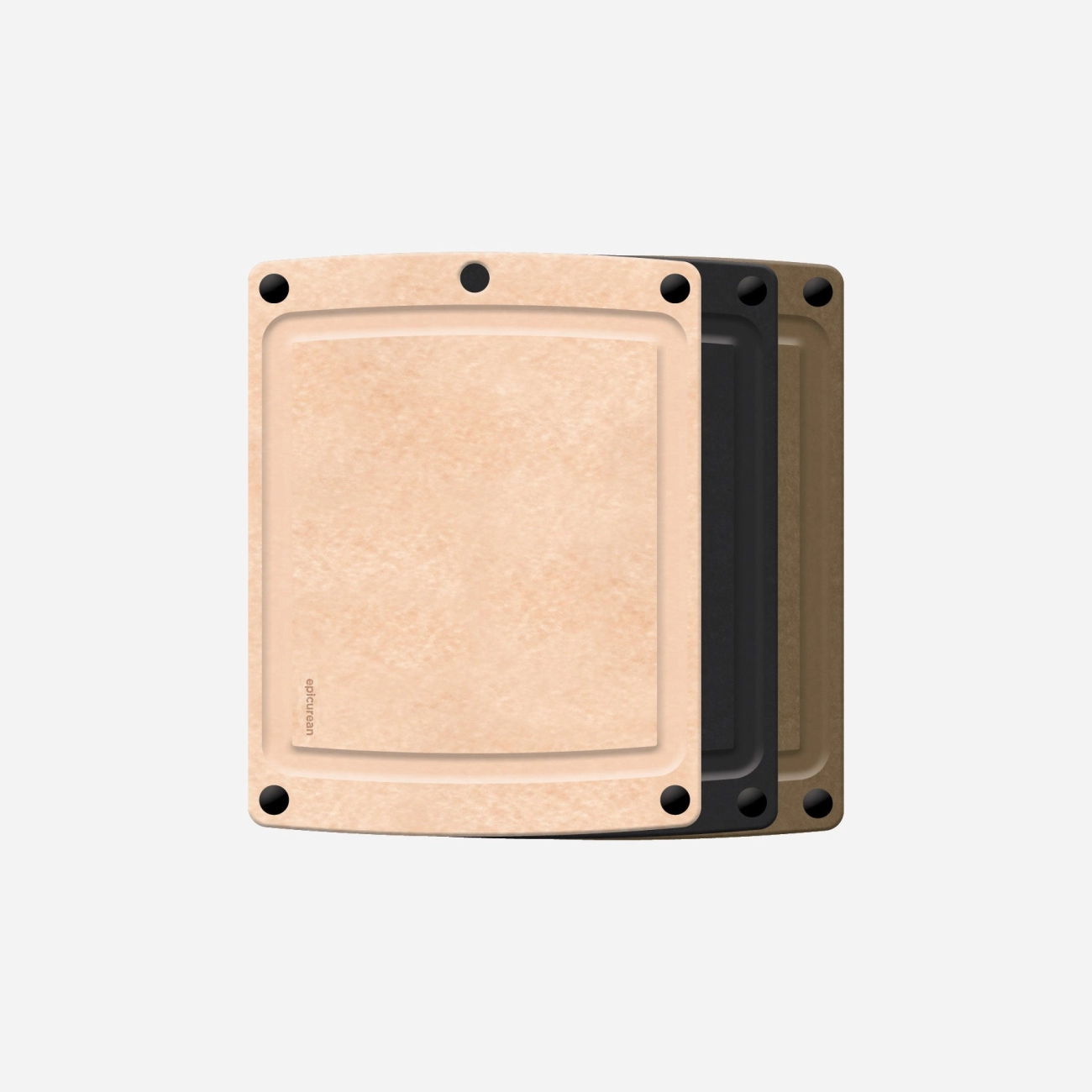
Bringing recyclable plastic cutting boards into your supply chain takes planning but is key to staying ahead in today’s eco-conscious market. Here’s how to do it right:
Sourcing Strategies for Policy-Compliant Suppliers
- Look for certified suppliers who clearly meet environmental policies and use recyclable materials like HDPE, a top choice for eco-friendly plastic cutting boards.
- Verify ESG compliance by asking for documentation on sustainable manufacturing and green supply chain practices.
- Partner with trustworthy manufacturers like custom commercial kitchen cutting board or TPE edge cutting board suppliers that prioritize non-toxic food contact materials.
- Consider local or regional suppliers to reduce carbon footprint and improve supply chain transparency.
Cost-Benefit Analysis
- While recyclable cutting boards might cost a bit more upfront, they reduce waste and support circular economy goals, saving money on disposal fees in the long run.
- Sustainable products attract eco-conscious customers, boosting brand loyalty and potential market share.
- Investing now helps avoid future costs associated with stricter regulations on single-use or non-recyclable kitchen tools.
Implementation Roadmap
- Audit current suppliers and assess which cutting boards meet environmental policies.
- Set clear purchasing guidelines prioritizing recyclable plastic cutting boards.
- Train procurement and quality teams on sustainability criteria.
- Start small with pilot orders, gather feedback from kitchen staff, then scale up.
- Communicate your sustainable supply chain move internally and externally, tying it to your brand’s story.
Adopting recyclable cutting boards isn’t just about compliance—it’s a smart, forward-thinking strategy that strengthens your supply chain and your brand.
Enhancing Brand Competitiveness Through Sustainable Choices

Choosing recyclable plastic cutting boards isn’t just good for the planet—it can also boost your brand’s competitiveness. Customers today care a lot about sustainability, especially in the kitchenware market. By focusing on eco-friendly plastic cutting boards, you tap into a growing demand for products that align with environmental values and ESG compliance for brands.
Marketing and Storytelling Opportunities
When you pick recyclable, non-toxic food contact materials like HDPE recyclable boards, you gain a strong story to tell. Share how your brand supports the circular economy cutting boards movement by reducing waste and cutting microplastics in food prep. Use clear, honest messaging that highlights:
- Your green supply chain strategies
- Policy-compliant kitchen tools you offer
- How your products enhance food safety and are durable
This type of storytelling resonates well with American buyers who want kitchen tools that are both practical and sustainable.
Competitive Differentiation Tactics
Stand out by making recyclability a key selling point. Here’s how:
- Offer custom cutting boards with logos that highlight eco-friendly features
- Partner with reliable recyclable plastic cutting board suppliers to ensure consistent supply
- Promote antibacterial, non-slip cutting board features alongside sustainability
- Use certifications and testing standards to back your claims
This gives you a real edge, especially when competing with generic kitchenware brands.
Real-World Examples and CalmChop Success Stories
Take CalmChop, for example. They combined sustainable kitchenware manufacturing with smart branding and saw great results in the U.S. market. Their focus on recyclable materials and clear green marketing helped them:
- Build trust with eco-conscious customers
- Win bigger contracts with commercial kitchens needing policy-compliant tools
- Grow their presence without relying on price cuts
Following their lead shows how integrating recyclable plastic cutting boards into your product line drives value beyond just compliance—it builds a loyal customer base and strengthens your market position.
Common Pitfalls and Future-Proofing Your Choices
When choosing recyclable plastic cutting boards, watch out for greenwashing—brands claiming eco-friendly without real proof. Always check for certifications, like FDA approval for non-toxic food contact materials, and verify if the boards truly meet ESG compliance standards. Avoid suppliers who can’t back up their recyclable claims or use confusing terms.
Non-compliance with evolving environmental policies can cost you later. Stay ahead by partnering with policy-compliant kitchen tool manufacturers and keeping an eye on regulations in the US and key markets.
Emerging Trends and What’s Next for 2026+
- Circular economy cutting boards will grow in popularity, meaning more products designed for easy recycling and multiple life cycles.
- Expect tighter rules on microplastics in food prep, pushing demand for boards made from HDPE recyclable boards and other sustainable polymers.
- New green supply chain strategies will become standard, emphasizing transparency from raw materials to final product.
- Innovative custom cutting boards with logo options will combine branding with sustainability, giving companies a unique edge.
- Stay tuned for advances in antibacterial plastic cutting board tech that uses safer, eco-friendly materials.
Future-proof your choices by prioritizing verified recycled content, clear supplier documentation, and products that comply with both current and upcoming environmental policies. This keeps your supply chain solid and your brand trustworthy.
 English
  German
  Turkish
  Italian
  Russian
  Polish
  Arabic
  French
  Malay
Malay  Japanese
  Korean
  Thai
Thai