
The Environmental Policy Landscape Navigating Regulations That Shape Your Sourcing Choices
Are you feeling overwhelmed by the growing wave of environmental policies affecting kitchenware? From kitchens in New York to cafes in California, new rules are changing how brands source plastic cutting boards. Understanding these regulations isn’t just legal—it’s smart business.
Key Policies Shaping Your Plastic Cutting Board Choices
-
US Federal and State Rules
California’s AB 1203 mandates a minimum recycled content for plastic products, pushing brands to include more recycled polypropylene or HDPE in cutting boards.
The USDA encourages bio-based materials, rewarding those who adopt sustainable, renewable plastics. -
Global Influence
The EU Plastic Ban of 2025 has expanded to restrict single-use and problematic plastics, setting an example that impacts supply chains worldwide. Brands selling in or sourcing from the EU must comply with these tough new standards.
Why Policy Compliance Matters for Brands
-
Risks of Falling Behind
Ignoring these rules can result in steep fines and legal trouble, not to mention damage to your brand’s reputation. Non-compliant products risk being pulled from shelves or blocked from market entry.
-
Green Certifications Open Doors
On the flip side, certifications like recycled content verification help you stand out. They can boost customer trust, increase market share, and show commitment to ESG compliance.
Actionable Tip
Start today by auditing your supply chain. Focus on sourcing plastic cutting boards with at least 50 percent recycled content to meet growing ESG reporting standards. This small step aligns your brand with policy demands and prepares you for the future of sustainable kitchenware.
Understanding Recyclable Plastics What Makes a Cutting Board Truly Green
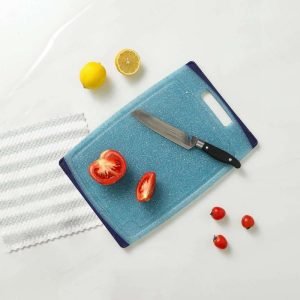
When choosing recyclable plastic cutting boards, knowing the materials behind the product is key to finding a truly green option. The most common eco-friendly choices include HDPE (high-density polyethylene), recycled polypropylene (PP), and bio-based blends like sugarcane-reinforced plastics. These materials meet FDA standards for hygienic use and importantly, avoid shedding microplastics into your food prep surfaces.
Here’s a quick rundown of common options:
| Material | Pros | Cons |
|---|---|---|
| HDPE | Durable, widely recycled, FDA certified | Can warp if exposed to heat |
| Recycled PP | Lightweight, good recyclability | Slightly less durable than HDPE |
| Bio-Based Blends | Renewable, less carbon footprint | May cost more, limited availability |
| Sugarcane Reinforced | Strong, sustainable raw material | May vary in plastic purity |
Avoid cutting boards made with contaminated recycled plastics—they can contain harmful residues that fail FDA guidelines and risk food safety. Clean, verified recycled content matters.
At CalmChop, our cutting boards are made with 100% post-consumer recycled plastic, independently tested to ensure zero phthalates and BPA, guaranteeing safe, chemical-free use. This third-party verification helps you stay confident in product safety and environmental claims.
Locally, the U.S. recycling rate for plastics still leaves room for improvement. Choosing CalmChop boards helps divert roughly one ton of plastic waste for every thousand boards sold, reducing landfill impact in American communities. This supports your commitment to sustainability while staying compliant with ESG goals and local recycling expectations.
When you select recyclable plastic cutting boards like ours, you’re not just picking a tool—you’re making a real difference in waste reduction and consumer safety.
Step by Step Guide How to Choose Recyclable Plastic Cutting Boards for Optimal Performance
Choosing the right recyclable plastic cutting board is easier when you follow clear steps that balance quality and sustainability. Here’s how to pick boards that work well and boost your eco efforts.
Step 1 Assess Functionality Needs
- Look for cutting boards with FDA ANSI 2 certification. This means they have non-porous surfaces that prevent bacteria buildup, essential for food safety.
- Consider the board’s surface texture—smooth enough to clean but resistant to deep knife grooves.
Step 2 Prioritize Sustainability Metrics
- Check the recycled content percentage; aim for boards with at least 50% recycled plastic to meet ESG goals.
- Evaluate the carbon footprint, looking for options with less than 2 kg CO2e per board based on lifecycle analysis (ISO 14040). This helps reduce your brand’s overall impact.
Step 3 Evaluate Durability and Usability
- Make sure boards are knife-friendly to protect both knives and the surface.
- Confirm they are dishwasher safe for easy cleaning and durability.
- Choose the right size and thickness for your needs, whether for home kitchens or busy commercial prep spaces.
Step 4 Check Certifications and Traceability
- Look for third-party verified marks like Global Recycled Standard (GRS) to confirm recycled content.
- Ensure compliance with REACH to avoid harmful toxins in your products.
Step 5 Test for Real World Fit
- Before buying in bulk, run sample trials in your kitchen.
- Test for stain resistance and ease of cleaning, especially important in high-volume restaurant environments.
Pro Tip Use a Decision Matrix
- Create a simple table scoring options based on cost, eco impact, and longevity.
- This helps compare different recyclable plastic cutting boards clearly and pick the best fit for your business.
Following these steps helps you choose sustainable, durable, and safe cutting boards that support your brand’s environmental goals while meeting customer expectations.
Boosting Brand Competitiveness Turning Eco Choices into Marketing Gold

Choosing recyclable plastic cutting boards isn’t just good for the environment—it’s a powerful way to stand out in a crowded market. Here’s how to turn your eco-friendly choices into real brand value.
Strategy 1 Storytelling for Loyalty
Share your sustainability story. For example, one CalmChop partner restaurant saw a noticeable uptick in foot traffic after promoting zero waste prep areas featuring our recyclable cutting boards. Clear signage about your board’s recycled content creates trust and connects with eco-conscious customers.
Strategy 2 Certifications as Badges
Use certifications like B Corp status or recycled content certifications as visible badges of trust. Millennials and Gen Z shoppers increasingly choose brands that prioritize sustainability—even if it means paying a bit more. These credentials can become a key selling point.
Strategy 3 Cost Benefit Analysis
Switching to recyclable boards with high recycled content might mean a higher upfront cost, but the lower replacement needs and durability often pay off in under 18 months. Green supplier preferences can also unlock premium retail or restaurant contracts, boosting long-term ROI.
Integration Ideas
- Bundle CalmChop’s custom branded cutting board sets with your marketing campaigns for consistent eco-friendly messaging
- Use social proof like customer reviews and usage stories to build credibility
- Launch sustainable challenges or events around zero waste to keep customers engaged
Metrics for Success
- Track increases in customer reviews highlighting sustainability
- Monitor sales growth in your green product lines
- Set targets for growth in eco-conscious market segments to measure impact
Making recyclable plastic cutting boards a central part of your brand story not only aligns with evolving environmental policies but also drives real business results.
Maintenance and End of Life Maximizing Your Investments Sustainability
Taking good care of your recyclable plastic cutting boards helps stretch their life and supports your brand’s environmental goals. For everyday cleaning, use vinegar solutions rather than harsh chemical bleaches to sanitize surfaces safely. Avoid chemicals that can degrade the plastic or leave behind residues. Every few months, oil the edges to prevent cracks and extend durability.
When it’s time to retire your boards, partner with CalmChop’s take-back program. Simply scan the QR code on your cutting board for free returns. This program recycles used boards into new products, reducing landfill waste and supporting circular sustainability.
To get the most out of your investment, rotate boards by color or type regularly. This simple hack reduces wear in high-use kitchens and keeps performance consistent over time.
Looking ahead, keep an eye on emerging trends like biodegradable additives, which are expected to hit the market around 2030. These innovations will help ensure your kitchen prep tools comply with future environmental policies and enhance your brand’s eco-friendly positioning.
By maintaining your recyclable cutting boards properly and following a clear recycling path, you not only boost sustainability but also protect your bottom line and brand reputation.
 English
  German
  Turkish
  Italian
  Russian
  Polish
  Arabic
  French
  Malay
Malay  Japanese
  Korean
  Thai
Thai