
You probably never gave your cutting board a second thought—until now. But what if the very surface you trust to prep your meals is actually harboring dangerous bacteria that could make you sick? From hidden germs like E. coli and Salmonella to the risks of cross-contamination, your kitchen’s most used tool might be a silent threat. In this post, we’ll dive into why antimicrobial properties matter more than ever when choosing a cutting board, how they fight bacteria, and what you should look for to keep your family safe. Let’s cut through the confusion and discover smarter, safer ways to prepare your food.
The Hidden Dangers How Cutting Boards Become Bacterial Hotspots
Have you ever wondered if your cutting board is making you sick? It’s a real concern—cutting boards can quickly turn into breeding grounds for harmful bacteria if not handled properly. Every time we chop raw meat, vegetables, or fruits, tiny food particles and juices get trapped in the board’s surface. These leftovers create perfect conditions for bacteria to grow and multiply.
Common Pathogens Lurking in Your Kitchen
Your cutting board might be harboring some unwelcome guests, including:
- Salmonella: Often found in raw chicken and eggs, this bacteria can cause severe food poisoning.
- E. coli: Linked to raw beef and unwashed produce, E. coli infections can lead to serious digestive problems.
- Listeria: This bacteria can survive in cold environments and contaminate foods like deli meats and soft cheeses.
- Campylobacter: Common in raw poultry, it causes diarrhea and stomach cramps.
Since cutting boards come into contact with various foods, these pathogens can easily transfer from one item to another, increasing the risk of bacterial cross-contamination. This makes it crucial to keep our cutting boards clean and choose materials that don’t invite these bacteria to stay long.
Understanding these hidden dangers is the first step toward safer food handling and better kitchen hygiene. Let’s look next at how the type of cutting board you use can affect your risk.
The Hidden Dangers How Cutting Boards Become Bacterial Hotspots Why Material Matters Wood vs Plastic Breakdown
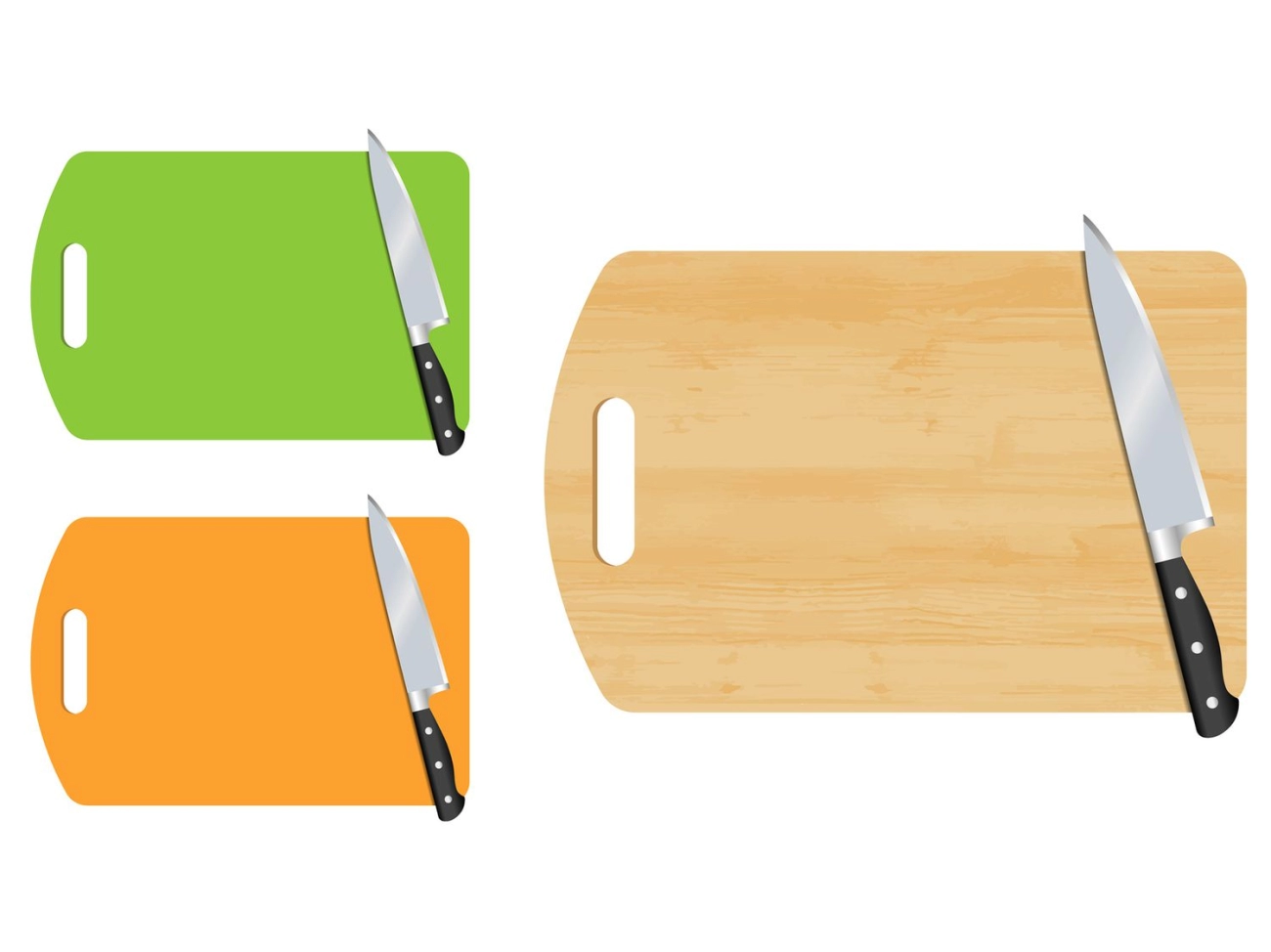
When it comes to cutting boards, the material you choose matters a lot for kitchen hygiene. Wood and plastic are the most common options, but each has pros and cons when it comes to bacteria buildup and foodborne illness prevention.
Wood cutting boards naturally have antimicrobial properties. The porous surface can trap moisture, but it also helps absorb and kill some bacteria over time. However, if not cleaned properly or if heavily scored from knives, wood boards can also harbor bacteria in deep grooves. They tend to be more durable but need regular oiling to keep them in good shape.
Plastic cutting boards are non-porous, making them easier to sanitize thoroughly. They can go in the dishwasher and often have bright colors for easy color-coding to prevent bacterial cross-contamination between meat, veggies, and other food. But plastic boards can scratch and wear down quickly, creating tiny cracks where germs hide.
In short, neither material is perfect. Your choice should depend on how you clean and maintain your boards. Understanding these differences helps prevent your cutting board from becoming a bacterial hotspot in your kitchen.
The Science of Antimicrobial Properties What Makes Them Effective Natural vs Engineered Antimicrobials Explained
When it comes to antimicrobial properties in cutting boards, the main goal is stopping bacteria from growing and spreading. There are two big types: natural antimicrobials and engineered ones.
Natural antimicrobials come from materials like wood or bamboo. These surfaces have substances that can slow down or even kill certain bacteria. For example, wood contains tannins and other compounds that create an environment where bacteria struggle to survive. This natural defense is part of why some people prefer wooden cutting boards despite concerns about durability.
On the other hand, engineered antimicrobials are added to plastic or composite boards during manufacturing. These usually involve silver ions or other metals known for their bacteria-fighting abilities. The silver ions disrupt the bacteria’s cell walls, preventing them from multiplying. This technology is common in many FDA-certified boards and is especially valuable for people wanting an easy-to-clean, durable antimicrobial cutting board.
Both natural and engineered antimicrobials have their strengths. Natural ones rely on the board’s inherent qualities, while engineered options provide a more controlled and consistent level of bacteria resistance. Knowing the difference can help you pick a cutting board that fits your kitchen hygiene needs and foodborne illness prevention plans.
The Science of Antimicrobial Properties What Makes Them Effective
Debunking Myths Does Oiling or Bleaching Really Help
You might have heard that rubbing oil on your wooden cutting board keeps it safe or that bleaching your plastic board kills all bacteria. But do these old-school tricks actually work to prevent foodborne illness?
Oiling Wooden Boards
Oiling your wood cutting board is great for keeping the surface from cracking or drying out. It helps maintain durability and can prevent bacteria from hiding in deep cracks caused by wear. However, oiling does not kill bacteria or stop cross-contamination. It just protects the wood itself. You still need to clean and sanitize your board properly after every use.
Bleaching Plastic Boards
Bleach is a powerful sanitizer and can reduce bacteria on plastic boards, but using it all the time isn’t ideal. Overusing bleach can wear down the surface, creating tiny grooves where bacteria hide. Also, leftover bleach residue can be harmful if not rinsed thoroughly. So bleach helps only when used carefully and sparingly as part of a regular cleaning routine.
What Actually Works
Antimicrobial cutting boards with built-in properties—like silver ion technology or durable antimicrobial plastics—actively stop bacterial growth without extra effort. These boards are designed to work long-term and reduce the risk of bacterial hotspots better than just oiling or bleaching.
Bottom line
- Oiling wood is for maintenance, not sanitizing
- Bleach can sanitize but may damage your board if overused
- Antimicrobial boards offer proven, ongoing protection against bacteria
Keeping your cutting board safe means using the right cleaning methods and choosing the right materials with antimicrobial features. That’s how you stay ahead in foodborne illness prevention.
The Science of Antimicrobial Properties What Makes Them Effective
Real World Testing What Studies Say About Board Safety
When it comes to cutting boards, real-world tests show that antimicrobial properties really do make a difference in reducing harmful bacteria. Studies comparing different materials found that boards with built-in antimicrobial features consistently lower the risk of bacterial cross-contamination. For example, FDA-certified boards with silver ion technology or durable antimicrobial plastic finish significantly limit bacteria growth compared to standard plastic or wood boards.
Research also highlights that even the best cleaning won’t fully stop bacteria from hiding in deep cuts or grooves on untreated boards. Antimicrobial boards cut down on these risks by actively preventing bacteria from multiplying between cleanings. This means fewer chances of foodborne illness from your food prep surface.
In practice, these safety benefits matter most in busy kitchens where cross-use happens frequently — like chopping raw meat then veggies. Using cutting boards designed with natural antibacterial surfaces or engineered antimicrobials helps keep your kitchen safer without extra hassle.
In short: scientific testing backs up the idea that your cutting board’s antimicrobial properties play a key role in keeping your food prep safe and reducing the chances of getting sick. If you want to cut down foodborne illness risk, investing in an antimicrobial cutting board is a smart move.
Signs Your Cutting Board Is a Health Hazard And When to Replace It
Red Flags to Watch For
Knowing when your cutting board has crossed from safe to risky helps prevent foodborne illness. Here are some clear warning signs to watch for:
- Deep grooves and cracks: These are perfect hiding spots for bacteria that regular cleaning can’t reach.
- Warping or splitting: Warped boards don’t sit flat and can cause slipping, increasing the chance of cross-contamination or injury.
- Stains and odors that won’t go away: Persistent smells and discoloration often mean bacteria or mold are lingering.
- Excessive wear and thinning: When your board becomes too thin or weak, it won’t protect surfaces or sustain proper sanitation.
- Mold growth: Any visible mold means immediate replacement—don’t risk your health trying to clean it off.
If you see any of these red flags, it’s time to replace your cutting board to keep food prep safe. Remember, a clean, intact board helps reduce bacterial cross-contamination and keeps your kitchen hygienic.
Signs Your Cutting Board Is a Health Hazard And When to Replace It
Safe Cleaning Habits for Any Board
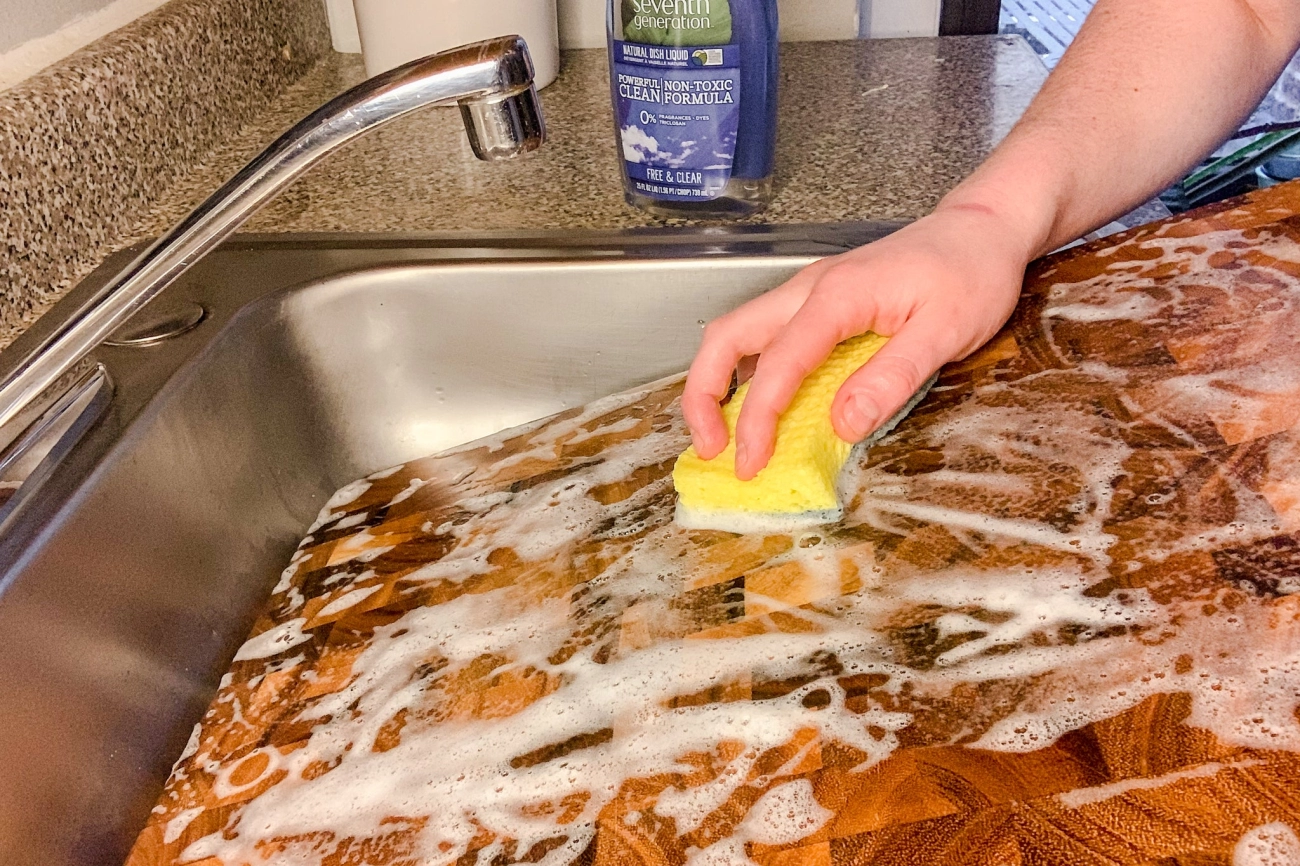
Keeping your cutting board clean is key to preventing foodborne illness. No matter if you use wood, plastic, or an antimicrobial cutting board, proper cleaning stops bacteria from turning your kitchen into a hotspot for cross-contamination. Here’s how to keep your cutting board safe:
- Wash right after use: Use hot, soapy water immediately after cutting raw meat, poultry, or seafood. This helps remove bacteria before they settle in.
- Use separate boards: Avoid using the same board for vegetables and raw meats to reduce bacterial cross-contamination.
- Sanitize regularly: After washing, sanitize your board with a solution of 1 tablespoon of bleach per gallon of water, especially after handling raw proteins.
- Dry thoroughly: Bacteria love moisture. Let your board air dry completely or pat it dry with a clean towel before storing.
- Avoid the dishwasher for wood boards: High heat and water can crack or warp wooden boards, making them harder to clean properly.
- Check for grooves and cracks: Deep cuts trap bacteria. If your board has many grooves that can’t be cleaned easily, it’s time to replace it.
Keeping these habits sharp will protect your kitchen from harmful pathogens and extend your board’s life. Whether it’s a plastic cutting board or a premium antimicrobial board, clean habits are the best defense.
Choosing the Right Antimicrobial Cutting Board A Buyers Guide Key Features to Prioritize
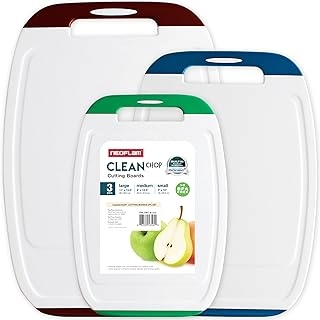
When picking an antimicrobial cutting board, focusing on the right features can make all the difference in keeping your kitchen safe and clean. Here’s what you should look for:
-
Antimicrobial Technology: Look for boards that have built-in antimicrobial properties, like silver ion technology or other FDA-certified treatments. These help reduce bacterial cross-contamination during food prep.
-
Material Type: Durable, non-porous materials like antimicrobial plastic are easier to sanitize and less likely to harbor bacteria than some wood boards. But natural antibacterial surfaces like certain treated hardwoods also work if properly maintained.
-
Non-Slip Surface: Safety first. A stable cutting board prevents slips that can cause accidents or uneven cuts that trap bacteria.
-
Easy to Clean: Choose boards that can withstand frequent washing without damage. Dishwasher-safe options are convenient but be sure your board’s antimicrobial layer holds up to heat and detergent.
-
Size and Thickness: Pick a size that fits your kitchen space and cooking needs. Thicker boards often last longer and resist warping, which keeps them safer over time.
-
Eco-Friendly Options: If sustainability matters to you, consider boards made from recyclable or responsibly sourced materials that still include antimicrobial features.
Focusing on these key features will help you find a cutting board that fits both your kitchen hygiene goals and everyday cooking style.
Choosing the Right Antimicrobial Cutting Board Top Recommendations Including CalmChop Innovations
When it comes to picking an antimicrobial cutting board, you want something that really lowers the risk of bacterial cross-contamination. Not all boards are created equal, so focusing on trusted brands and proven tech is key. One name gaining a lot of attention in the US market is CalmChop. Their boards use silver ion technology, which naturally fights bacteria without harsh chemicals. This makes them a standout choice for anyone serious about kitchen hygiene and foodborne illness prevention.
Here’s why CalmChop and similar antimicrobial boards are worth considering:
- Durable antimicrobial plastic keeps your board safe through heavy use.
- FDA-certified options ensure they meet strict safety and sanitation standards.
- Non-slip surfaces help prevent accidents while prepping food.
- Easy to clean with regular kitchen hygiene routines.
- Environmentally friendly options compared to single-use or less sustainable boards.
If you want a cutting board that naturally reduces germs and lasts longer, try to find boards with built-in antimicrobial treatment like CalmChop. They combine health safety with practical features perfect for busy households and professional kitchens alike.
Choosing the Right Antimicrobial Cutting Board Budget vs Premium Matching Your Needs
When picking an antimicrobial cutting board, your budget plays a big role, but so does what you need it for. Here’s how to match your choice to your kitchen and wallet:
Budget-Friendly Options
- Usually made from antimicrobial plastic or treated wood.
- Offer good protection against bacterial cross-contamination without breaking the bank.
- Great for everyday home use, especially if you practice solid kitchen hygiene tips.
- Look for FDA-certified boards to ensure basic safety standards.
- Perfect if you need multiple boards for different food types without spending much.
Premium Cutting Boards
- Often include advanced features like silver ion technology embedded in the surface.
- Made from durable antimicrobial plastic designed to resist cuts and bacteria over time.
- Ideal if you cook frequently and want the longest-lasting, safest option.
- Usually come with non-slip designs and easy-to-clean surfaces.
- Best for foodies or serious home chefs who prioritize foodborne illness prevention.
Matching Your Needs
- If you prep lots of raw meat or fish, a premium board with top antimicrobial properties may be worth it.
- For light use like chopping veggies, a budget antimicrobial board should do the job well.
- Consider size, weight, and maintenance—premium boards often need less frequent replacement.
- Always pair your choice with safe cleaning habits for maximum protection.
Balancing price with features ensures your cutting board keeps your kitchen safe and your food fresh without overspending. Whether you choose a budget or premium antimicrobial cutting board, focusing on quality and maintenance helps slash foodborne illness risks effectively.
Everyday Tips to Slash Foodborne Illness Risks in Your Kitchen
Beyond the Board Color Coding and Workflow Hacks
Cutting boards are just one piece of the puzzle when it comes to food safety. To really cut down on foodborne illness risks, you need a smart kitchen routine that goes beyond just color coding your boards. Here’s what’s worked well for many home cooks across the U.S.:
-
Separate your prep areas
Keep raw meat, veggies, and ready-to-eat foods on different surfaces or at least clean well between tasks. This reduces bacterial cross-contamination, which is a major cause of foodborne illness.
-
Use dedicated knives and utensils
Just like cutting boards, having different knives or utensils for raw meats and produce keeps germs from spreading around.
-
Keep your workflow clean and organized
Plan your food prep from clean to dirty. Start with washing and cutting fruits and veggies first, then move on to raw meats. This simple habit helps prevent bacteria from spreading to foods that won’t get cooked.
-
Sanitize your boards regularly
Even if you’re using antimicrobial cutting boards, cleaning them properly is key. Use hot, soapy water, and for plastic boards, occasional sanitizing with a bleach solution or FDA-certified cleaners can help keep bacteria at bay.
-
Dry boards completely after cleaning
Moisture encourages bacteria to grow, so make sure your cutting boards are fully dry before storing them.
-
Replace boards that are worn out
Deep grooves and scratches trap bacteria. Switching out your cutting boards once they get damaged is a simple step to keep your kitchen safe.
By combining these workflow hacks with antimicrobial cutting boards, you can keep your kitchen safer and avoid many common foodborne illness issues. It’s all about creating habits that protect your family’s health without adding extra hassle.
Everyday Tips to Slash Foodborne Illness Risks in Your Kitchen
Integrating CalmChop into Your Routine
Keeping your kitchen safe from foodborne illness means choosing the right tools and habits, and that’s where CalmChop comes in. Designed with durable antimicrobial plastic and silver ion technology, CalmChop helps reduce bacterial cross-contamination right at the source—your cutting board.
Here’s how to make CalmChop a natural part of your daily food prep:
- Use CalmChop boards for different food types. Assign separate boards for meats, veggies, and ready-to-eat foods to cut cross-contamination risks.
- Clean thoroughly after every use. CalmChop’s FDA-certified antimicrobial surface makes sanitizing easier, but washing with hot, soapy water is still essential.
- Store boards in dry, ventilated places. This prevents bacterial growth and keeps your board ready to use.
- Replace when worn. Even antimicrobial boards like CalmChop need replacing when deep grooves appear.
- Combine CalmChop with smart kitchen flow. Keep raw foods away from cooked foods and prep in an order that keeps bacteria from spreading.
By adding CalmChop cutting boards to your kitchen, you get a reliable ally in food safety. They’re designed with U.S. customers in mind—durable, easy to clean, and built to minimize risks during everyday cooking. It’s a simple step everyone can take to keep mealtime healthy and worry-free.
 English
  German
  Turkish
  Italian
  Russian
  Polish
  Arabic
  French
  Malay
Malay  Japanese
  Korean
  Thai
Thai