
The Great Debate A Side by Side Comparison of Plastic and Wooden Cutting Boards
Ever wondered whether a plastic cutting board or a wooden chopping board is better for your kitchen? Both have their loyal fans, and each material brings its own set of perks and drawbacks. Understanding their properties helps you make the right choice for hygiene, durability, knife care, cost, and environmental impact.
Plastic cutting boards are usually made from high-density polyethylene (HDPE). They’re lightweight, dishwasher-safe, and come in handy color-coded sets for preventing cross-contamination. Plastic boards are known for their affordable price and ease of cleaning, but they can develop grooves where bacteria hide if not replaced regularly.
Wooden cutting boards—often crafted from hardwoods like maple, walnut, or cherry—offer natural antibacterial properties and a surface that’s gentler on knives. They tend to be thicker, more durable, and eco-friendly thanks to renewability. However, wood boards need a bit more care, including oiling and hand washing, to prevent warping and cracks.
Here’s a quick comparison to help you see the differences clearly:
| Feature | Plastic Boards | Wooden Boards |
|---|---|---|
| Hygiene | Dishwasher safe; may trap bacteria in grooves | Natural antimicrobial; less bacteria in pores |
| Bacteria Retention | Higher risk in deep grooves | Lower when properly maintained |
| Knife Friendliness | Harder surface can dull knives faster | Softer, gentler on blades |
| Durability | Can wear down and groove easily | Long-lasting with regular care |
| Cost | Affordable, entry-level options | Higher upfront cost but heirloom potential |
| Eco Impact | Made from non-renewable plastics; recycling limited | Renewable, biodegradable, sustainable |
Studies on bacterial retention have shown that well-maintained wooden boards can be just as safe as plastic ones. For a visual perspective, several microbiology reports highlight how bacteria settle into plastic grooves much deeper than wood pores, which tend to trap less.
Brands like CalmChop are shaking up the game by introducing plastic boards designed to resist bacterial buildup and add non-slip features without compromising easy cleaning. They blend innovation with practical needs, ideal for today’s busy kitchens.
With these basics in mind, let’s take a closer look at the clear advantages of plastic cutting boards and then wooden boards. This way, you can pick the right chopping board that fits your lifestyle, budget, and cooking habits.
Deep Dive Advantages of Plastic Cutting Boards

Plastic cutting boards stand out when it comes to hygiene. They’re dishwasher-safe, which means you can sanitize them easily with hot water and detergent. Plus, the USDA’s Food Safety and Inspection Service (FSIS) recommends using bleach solutions to thoroughly disinfect plastic boards, making them ideal for handling raw meats and poultry without worry.
Affordability is another big plus—plastic boards are generally budget-friendly and widely available. Many come in color-coded sets, helping you prevent cross-contamination by dedicating specific boards for meats, veggies, and other food types. This convenience is a real time-saver in busy kitchens.
That said, plastic boards aren’t without downsides. They can develop grooves and scratches over time where bacteria might hide, so it’s important to inspect them regularly. Also, some concerns exist about microplastics shedding into food, especially with worn-out boards. To cut down on these issues, it’s best to choose thick, high-density polyethylene (HDPE) cutting boards that resist deep grooving and last longer.
Plastic boards fit perfectly for busy families and anyone often prepping raw meat or fish. Their easy-clean nature and hygienic benefits make them a practical choice for everyday use.
Deep Dive Advantages of Wooden Cutting Boards
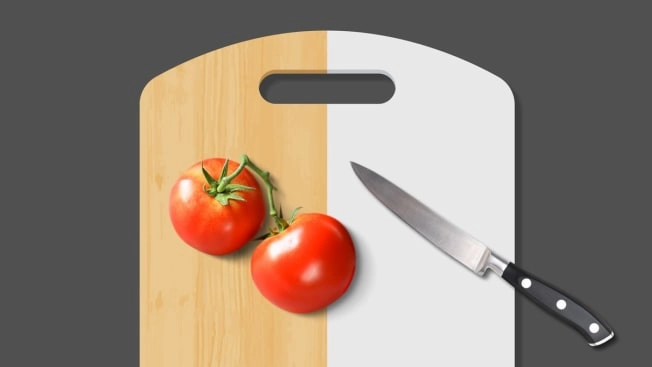
Wooden cutting boards offer some real perks, especially if you’re after natural materials with great durability. One big advantage is their natural antibacterial properties. Studies show hardwoods like maple and walnut can help reduce bacteria on the surface, making wooden chopping boards a safer choice for everyday use. Plus, wood is a renewable resource, which makes it a more eco-friendly option compared to plastic.
When it comes to your knives, wooden boards are gentler. The wood’s softer surface means less dulling of your blades, helping keep your knives sharp longer. There are two common types to know about: end-grain and edge-grain boards. End-grain boards show the wood’s rings on top, which allows the knife to slide between fibers, offering excellent durability and a forgiving surface. Edge-grain boards are made with strips of wood glued side by side, usually lighter and thinner but less durable than end-grain.
Wood boards do need a bit of care to keep them in top shape:
- Oil them monthly with food-safe mineral oil to prevent drying out and cracking.
- Avoid soaking or putting them in the dishwasher to prevent warping.
- Sand down deep cuts or scratches to keep the surface smooth and bacteria-free.
Wooden chopping boards fit perfectly for everyday chopping tasks—like veggies, bread, and fruit—and shine when serving up charcuterie or cheese boards due to their attractive grain and natural feel. If you enjoy a mix of function and style in your kitchen, a wooden board might be your go-to.
Busting Common Myths What Science Really Says About Cutting Board Safety
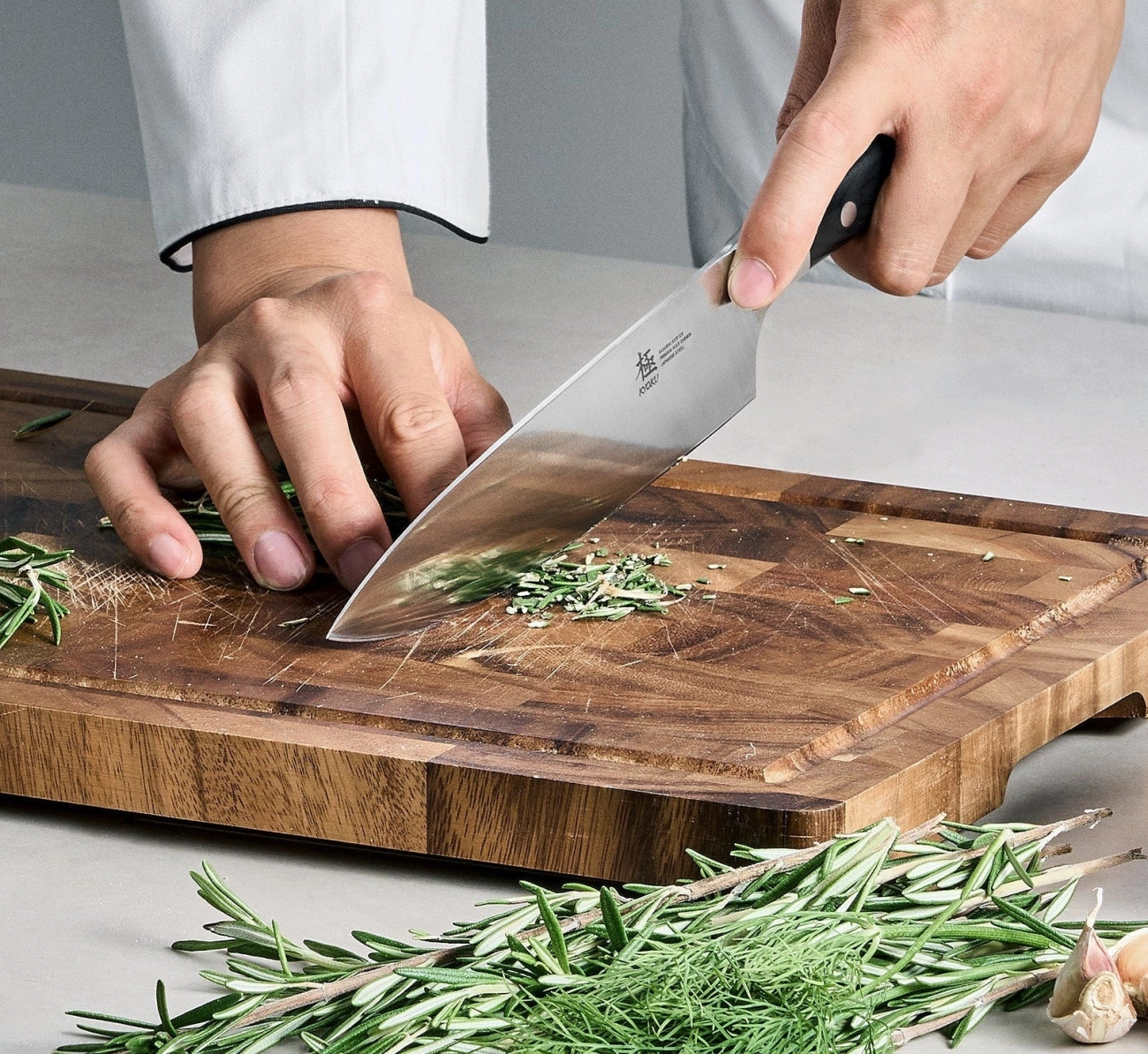
There are plenty of opinions about plastic and wooden chopping boards, so let’s clear up the biggest myths based on real science.
Myth 1: Plastic is always more hygienic
It’s easy to think plastic boards win because you can toss them in the dishwasher and disinfect them with bleach. But studies show bacteria can hide deep in plastic cutting board grooves, making them harder to sanitize over time. Wood’s natural antimicrobial properties can actually limit bacterial growth when properly maintained. So, plastic isn’t automatically safer if it’s scratched up.
Myth 2: Wood splinters and absorbs odors
Many worry wooden boards will splinter or trap smells after use — but hardwood boards like maple or walnut are dense and resist splintering when cared for right. Plus, odors generally fade with good cleaning and regular oiling. Avoid soaking wooden boards in water, and use mild soap; this keeps them odor-free and strong.
Myth 3: One material works best for all tasks
No one cutting board fits every kitchen need. Plastic boards shine in raw meat prep and easy sanitation, while wooden boards are friendlier to knives and great for everyday chopping or serving charcuterie. Many pros suggest a hybrid kitchen approach—using plastic boards for meats and wooden boards for vegetables and bread—for better hygiene and board longevity.
These points come backed by research, helping you pick the right cutting board without falling for common misconceptions. Choosing according to your cooking style and maintenance willingness makes all the difference.
Maintenance Mastery Keeping Your Boards Safe and Lasting
Keeping your cutting boards in top shape means cleaner meals and longer-lasting kitchen tools. Here’s how to care for both plastic and wooden chopping boards so they stay safe and reliable.
Plastic Cutting Board Care
- Dishwasher safe: Most plastic boards can go right in the dishwasher, making cleaning quick and effective.
- Check grooves regularly: Deep cuts and grooves can harbor bacteria. Replace your plastic board when grooves become tough to clean or visible wear appears.
- Replace timeline: Depending on use, plan to replace plastic boards every 1-2 years to avoid bacteria buildup and microplastic shedding.
Wooden Cutting Board Care
- Hand wash only: Avoid soaking or dishwasher—use warm soapy water and dry immediately to prevent warping.
- Monthly oiling: Use food-safe mineral oil or board cream to keep the wood hydrated and crack-free.
- Sanding deep cuts: For scars and grooves, light sanding removes bacteria hotspots and smooths the surface.
- Tools needed: Fine-grit sandpaper and clean cloths make maintenance easy when done regularly.
Pro Tips to Prevent Cross-Contamination
- Use separate boards for raw meat, vegetables, and cooked foods.
- Color-code or label boards to keep tasks clear and safe.
- Clean boards immediately after each use to reduce bacteria growth.
CalmChop Easy-Clean Plastic Boards
If you want plastic boards that hold up better, CalmChop offers easy-clean options with non-slip textures and durable surfaces designed to resist bacteria build-up—perfect for busy US kitchens looking for hassle-free hygiene.
Proper care goes a long way. Follow these steps and your cutting boards will stay safe, fresh, and ready for meal prep every time.
Choosing the Right Cutting Board for Your Kitchen Factors to Consider
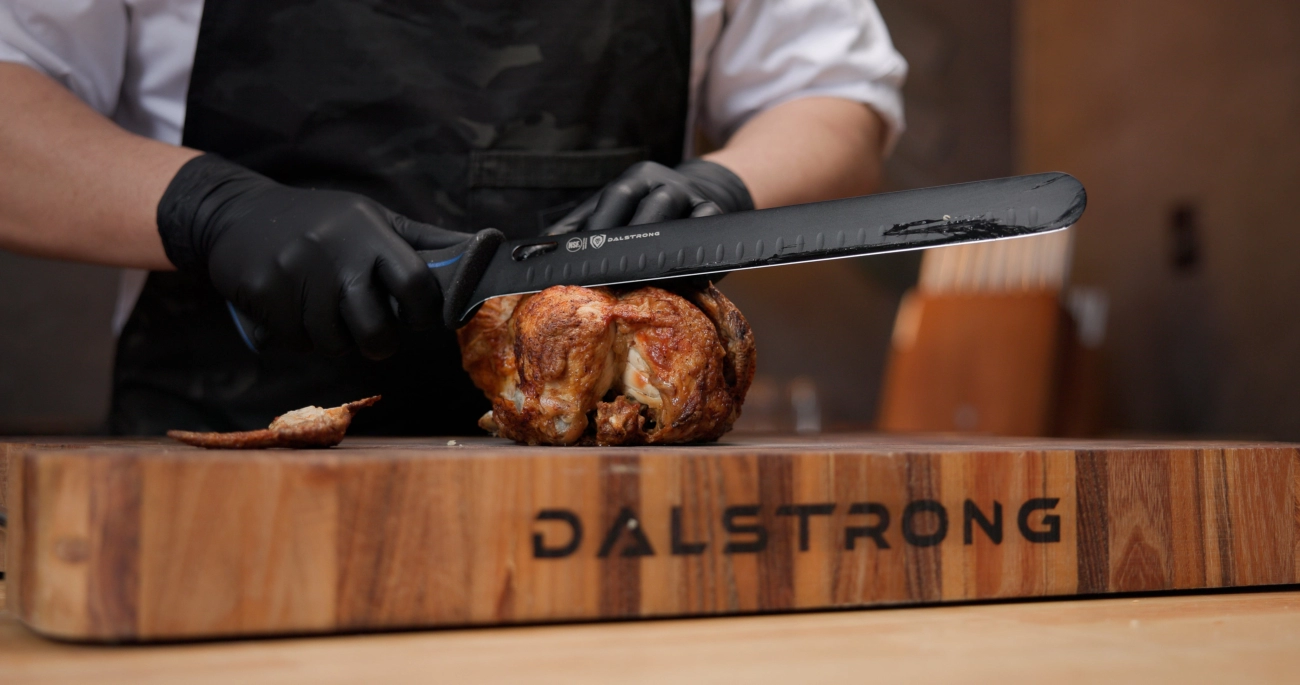
Picking the right chopping board comes down to your kitchen habits, budget, and how much you care about health and the environment. Here’s a simple way to figure out what fits you best:
Ask Yourself These Questions
- Do you often prep raw meat or fish?
- Are you after easy cleanup or more natural materials?
- How carefully do you maintain your boards?
- Do you want a budget-friendly option or a long-term investment?
- Is eco-friendliness important to you?
Your answers will guide you toward either plastic or wooden cutting boards — or maybe a mix of both.
Budget Breakdown
- Entry-level plastic boards: Usually under $15, great for everyday use and color-coded sets to prevent cross-contamination.
- Heirloom wooden boards: Can range from $50 to $200+, offering knife-friendly surfaces and natural antibacterial properties — a solid long-term buy if you’re willing to maintain them.
Eco and Health Considerations
- Wooden boards are renewable and biodegradable, making them more eco-friendly if maintained properly. They naturally resist bacteria, which many studies back up.
- Plastic boards can be dishwasher-safe and sanitized easily, but over time they might develop grooves that trap bacteria and shed microplastics into your food prep area. Recycling options exist but aren’t everywhere.
Local Habits and CalmChop Recommendations
In many U.S. kitchens, convenience and hygiene top the list. That’s why brands like CalmChop have popularized easy-clean plastic boards with non-slip textures and enhanced bacterial resistance — perfect for busy households watching cross-contamination risks. Meanwhile, their wooden options cater to those valuing sustainable, knife-friendly surfaces for everyday chopping.
By considering your cooking style, cleaning preferences, budget, and eco values, you can choose the cutting board that makes your kitchen safer, cleaner, and more enjoyable.
Expert Recommendations Top Picks and Where to Start
Choosing the right chopping board can feel tricky, so here’s a quick list of top picks for both plastic and wooden cutting boards that offer great value and features for everyday use.
Best Plastic Cutting Boards
- CalmChop Easy-Clean Set – Dishwasher safe, non-slip texture, and designed to resist bacteria buildup. Perfect for busy kitchens focusing on hygiene.
- OXO Good Grips – Durable HDPE boards with color-coded sets to prevent cross-contamination.
- Joseph Joseph Index Board – Compact, space-saving design with separate boards for meats, veggies, and cooked food.
Best Wooden Cutting Boards
- John Boos Block Reversible Board – High-quality maple wood, end-grain surface protects knives and lasts long with proper care.
- Totally Bamboo Cheese Board – Eco-friendly, naturally antimicrobial, great for serving and everyday chopping.
- Greener Chef Carving Board – Sustainable hardwood, smooth finish, and gentle on knives.
Why Choose CalmChop
CalmChop stands out with its innovative design focused on hygiene and kitchen safety. Their boards feature non-slip textures that keep the board steady during prep, reducing accidents. Plus, they use materials and finishes that naturally resist bacteria growth, making them a smart choice for health-conscious households. The boards clean easily in the dishwasher, saving time and effort.
Ready to Upgrade Your Kitchen?
If you’re looking to improve your cutting board game, CalmChop offers reliable, easy-clean solutions that combine the best of plastic hygiene and user-friendly design. They’re a solid choice whether you’re prepping meat, veggies, or charcuterie. Check out CalmChop boards to find your next kitchen essential.
The Balanced Approach to Board Brilliance
When it comes to choosing between plastic and wooden cutting boards, there’s no one-size-fits-all answer. Plastic boards offer easy cleaning and affordability, making them great for busy kitchens and handling raw meat. Wooden chopping boards bring natural antimicrobial properties, durability, and a great feel for everyday use and serving charcuterie. Many home cooks find that combining both types lets them get the best of each material’s advantages while preventing cross-contamination.
The key is knowing your kitchen habits and picking the right board for the task. Whether you lean toward plastic’s convenience or wood’s performance, using your cutting boards properly and maintaining them well means safer, tastier meals every time.
Ready to find the perfect match for your cooking style? Sign up for our newsletter to get more tips and updates, plus check out related posts for in-depth guides on cutting board care and kitchen hygiene.
 English
  German
  Turkish
  Italian
  Russian
  Polish
  Arabic
  French
  Malay
Malay  Japanese
  Korean
  Thai
Thai