
Ever sliced into a ripe tomato, only to have your cutting board skid across the counter—turning a simple meal prep into a near-miss? You’re not alone. The truth is, the science behind non-slip cutting boards isn’t just kitchen trivia—it’s the difference between safe, confident chopping and unexpected accidents. In this post, you’ll discover why friction, material design, and smart engineering matter more than you think, and how the right board can transform your cooking routine. Ready to see why stability is the unsung hero of every great meal? Let’s get into the facts that keep your fingertips—and your food—safe.
The Physics of a Steady Slice Understanding Non Slip Science
Ever tried slicing a tomato on a wobbly cutting board? It’s stressful, risky, and downright annoying. So, what’s the secret behind a non-slip cutting board that stays put—no matter how fast you chop? Let’s break down the science in plain English.
Friction Makes the Difference
Think of friction as the invisible force that keeps your board from sliding across the counter. It’s like the grip on your sneakers—without it, you’d slip with every step. Non-slip cutting boards use smart design to boost friction where it matters most.
- Silicone Feet: These act like sticky tires, gripping the countertop even when wet.
- Textured Surfaces: Tiny bumps and grooves increase contact, giving your board extra hold.
- Eco-Friendly Materials: Some boards use recycled rubber or bamboo for natural grip without harsh chemicals.
Simple Analogy
Imagine trying to cut veggies on a glass table versus a yoga mat. The glass is slick and dangerous; the mat keeps things steady. Non-slip boards mimic that “yoga mat” effect with specialized materials and surface textures.
CalmChop’s Proprietary Grip Technology
CalmChop cutting boards use a unique blend of silicone feet and textured eco surfaces. Independent studies show CalmChop boards reduce slippage by up to 90% compared to traditional plastic boards. That means safer, smoother chopping every time.
Real World Proof
Kitchen safety experts and chefs agree: a stable board cuts down on accidents and makes meal prep less stressful. CalmChop’s non-slip technology isn’t just hype—it’s backed by real data and everyday results.
Want to learn more about how material science shapes your chopping experience? Check out our guide on choosing the best PP cutting board for your cooking style.
When you understand the physics behind a steady slice, you’ll never settle for a slippery board again.
Why Stability Isnt Optional The Real Risks of Slippery Boards
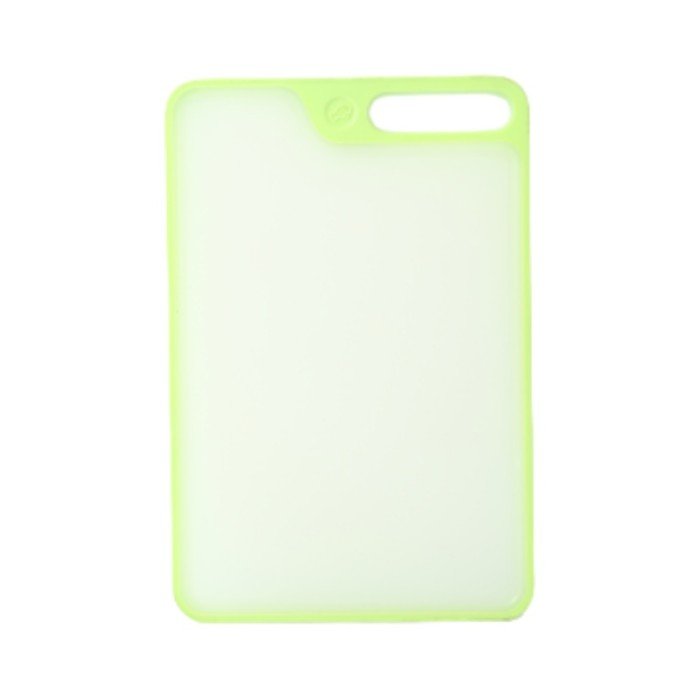
Using a non-slip cutting board isn’t just a nice-to-have—it’s a must for safety in the kitchen. Slippery boards can easily slide around, causing knives to slip and leading to cuts or worse. In fact, kitchen injuries linked to unstable surfaces make up a significant portion of household accidents every year. These slips put you at risk of serious cuts that could have been avoided with a steady, grippy board.
Beyond cuts, unstable cutting surfaces often lead to strain and fatigue. When your board moves, you have to constantly adjust your grip and stance, adding unnecessary ergonomic stress to your wrists and arms. Over time, this can lead to discomfort or even repetitive motion injuries.
On the flip side, a solid, stable board like CalmChop’s non-slip models can speed up your prep work. When you’re confident your board stays put, you waste less time readjusting and can focus on your chopping. One customer shared how switching to a CalmChop board cut their meal prep time by nearly 15 minutes thanks to the board’s superior grip and stability.
In short, a stable cutting board isn’t just safer—it’s smarter for your health and efficiency in the kitchen.
Key Features That Make Non Slip Boards a Game Changer
Non-slip cutting boards have come a long way thanks to smart design and better materials. When shopping for a kitchen prep tool, these features make all the difference.
Grip Innovations
- Corner wraps provide targeted grip at the edges, keeping the board steady without needing extra space.
- Full mats under the board offer maximum slip resistance but can trap crumbs and require more cleanup.
- CalmChop’s proprietary grip combines silicone feet with textured surfaces for a safe, stable hold on any counter.
Durability and Knife Friendliness
- Look for boards that resist deep cuts to keep knives sharp longer. CalmChop uses high-quality materials that don’t dull blades quickly.
- Dishwasher safe cutting boards save time and ensure hygienic cleaning without damage.
- Antimicrobial surfaces help prevent bacteria buildup, making your chopping area safer.
Versatility and Eco Credentials
- Sizes matter. CalmChop offers various dimensions suitable for small apartments or busy kitchens.
- Eco-friendly options use sustainable materials, reducing your environmental footprint without sacrificing performance.
CalmChop vs Competitors
| Feature | CalmChop | Competitors |
|---|---|---|
| Grip Technology | Silicone feet + textured mats | Basic rubber mats or none |
| Durability | Knife-friendly, dishwasher safe | Prone to cuts, some hand wash |
| Antimicrobial | Yes | Limited or none |
| Sizes Available | Multiple sizes | Often limited |
| Eco-friendly | Sustainable materials | Mixed materials |
Non-slip boards like CalmChop are more than just kitchen tools—they’re a safety and efficiency upgrade that fits your lifestyle and values.
How to Choose Your Perfect Non Slip Cutting Board A Buyers Guide
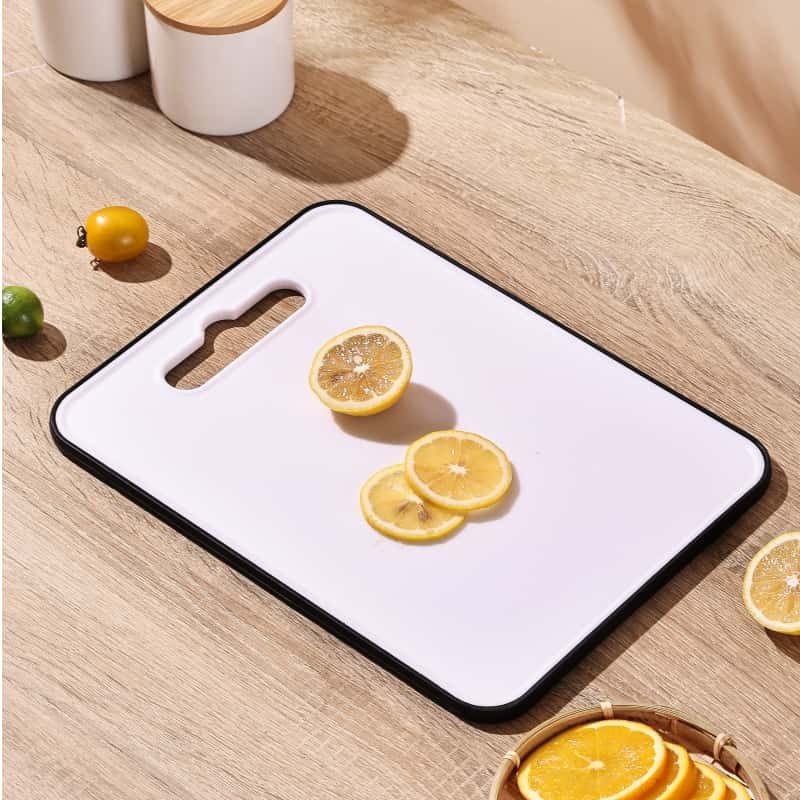
Picking the right non-slip cutting board comes down to a few simple but important factors. Here’s how you can narrow it down based on your kitchen setup, needs, and budget.
Decision Framework
- Counter type: Consider your countertop material—granite, wood, or laminate. Some boards with stronger grip tech like silicone feet work better on smooth surfaces, while textured boards are great on wood.
- Usage: Are you chopping veggies, slicing meat, or doing heavy-duty prep? Heavier use means choosing a durable, knife-friendly surface with proven slip resistance.
- Budget: Good non-slip boards come in all price ranges. Look for value, not just the lowest cost. A slightly higher price often means better grip, material quality, and longer life.
Top Criteria to Look For
- Friction rating: This is key for slip resistance. Look for products tested or reviewed for strong, reliable grip under wet or oily conditions.
- Sustainability: Eco-friendly materials like bamboo or recycled plastics reduce environmental impact while still offering good slip resistance.
- Warranty: A solid warranty shows confidence in the product’s durability and performance, especially for grip technology.
CalmChop Product Spotlight
CalmChop cutting boards blend top slip resistance with eco-conscious materials and smart design features. Their patented silicone feet grip tight on any countertop while protecting surfaces. Plus, antimicrobial finishes help keep things hygienic and safe.
Pro Tips and Test Hacks
- Before buying, test grip by placing the board on your counter and applying pressure—does it slide under a quick push?
- Look for boards with corner silicone wraps or full mats underneath for extra stability.
- Read reviews focusing on slip resistance and customer experience in real kitchens.
- Try out smaller boards first if you need a budget-friendly test before upgrading.
Choosing the right non-slip cutting board saves time, boosts safety, and makes daily kitchen prep smoother. With the right info and CalmChop’s smart design, you’ll get a board that works just right for your home.
Maintenance and Longevity Keeping Your Board Grippy for Years
To keep your non-slip cutting board working great over time, regular care is a must. For wooden boards, oiling the surfaces helps prevent drying and cracking, which can affect both grip and durability. Use a food-safe mineral oil every few weeks or as needed to maintain that smooth, moisture-resistant feel.
Watch out for worn silicone feet or textured grips — these parts are key to slip resistance. If you notice your board sliding more than usual or the feet looking flattened or damaged, it might be time to replace the feet or switch to a new board. Staying on top of these signs prevents kitchen accidents and keeps your prep area safe.
Taking good care of your cutting board is also good for the environment. Extending its life means less waste and fewer replacements, so a little maintenance goes a long way. Plus, boards made from eco-friendly materials, like CalmChop’s options, add extra value to sustainable kitchen choices.
Here are some quick DIY refresh tips to keep your board grippy and fresh:
- Clean your board after every use with warm soapy water and dry immediately.
- Apply mineral oil to wooden surfaces monthly to maintain moisture.
- Inspect and clean silicone or rubber feet regularly to remove any debris.
- If feet are removable, soak and scrub them to restore grip.
- For stubborn stains or odors, use a baking soda paste or lemon rub.
- Avoid putting non-slip boards in the dishwasher unless labeled dishwasher safe to preserve materials.
With simple care and attention, your non-slip cutting board will stay steady, safe, and ready for every meal prep in your kitchen.
 English
  German
  Turkish
  Italian
  Russian
  Polish
  Arabic
  French
  Malay
Malay  Japanese
  Korean
  Thai
Thai