
Choose a Cutting Board That Protects Your Health: Materials & Maintenance
Ever stopped to think how safe your cutting board really is? It might surprise you that some boards can harbor more bacteria than a toilet seat—or even release harmful chemicals into your food. If you’re serious about healthiest cutting board materials and avoiding hidden risks like cross-contamination or toxic plastics, this is the guide you’ve been waiting for.
We’ll cut through the confusion around wood vs. plastic, highlight what really keeps your kitchen clean, and show you simple but game-changing ways to maintain your boards for lasting safety. Ready to protect your family and upgrade your meal prep with trusted, non-toxic options? Let’s get started.
Why Your Cutting Board Material Impacts Health and Safety
Ever wonder how your cutting board affects your kitchen safety and health? The material you choose plays a big role in preventing bacteria from spreading. Porous boards, like some woods or bamboo, have tiny grooves that can trap food bits and harmful pathogens if not cleaned properly. On the other hand, non-porous surfaces like glass or stainless steel don’t absorb liquids, so they’re easier to sanitize—but they can dull knives and hide cracks where germs hide.
There’s also the chemical side to consider. Some cutting boards use adhesives that may release unwanted substances like phthalates or formaldehyde, which could affect your health over time. That’s why going for boards made from natural, solid materials is cleaner and safer. Beyond just safety, certain woods, like CalmChop’s antimicrobial maple boards, offer extra protection by naturally resisting bacteria growth. Plus, they align with clean-eating trends focusing on non-toxic, chemical-free kitchen tools.
Choosing the right cutting board is not just about chopping food—it’s about protecting your family’s health every time you cook.
Top Healthiest Cutting Board Materials Pros Cons and Recommendations
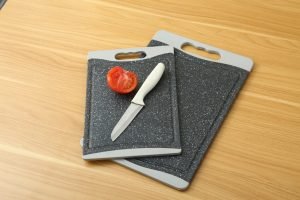
Choosing the right material for your cutting board is key to keeping your kitchen safe and healthy. Here’s a quick look at the top options, their pros and cons, and why they matter.
Solid Hardwood: Maple and Walnut
Pros:
- Considered the gold standard for cutting boards
- Naturally antimicrobial and self-healing (small cuts close up)
- Knife-friendly, so your blades stay sharp longer
- Sustainable and durable for long-term use
- CalmChop 18×12 maple board can inhibit up to 99% of bacteria
Cons:
- Requires regular oiling with food-grade mineral oil to prevent drying and cracking
- Not dishwasher safe; needs hand washing and air drying
Health Edge: Naturally fights bacteria and lasts for years with proper care.
Bamboo
Pros:
- Eco-friendly and highly renewable resource
- Dense grain makes it naturally antibacterial
- Low maintenance compared to hardwood boards
- CalmChop bamboo essentials set uses solid bamboo for better safety
Cons:
- Some bamboo boards use adhesives or are composite — avoid those to reduce chemical exposure
- Slightly harder than hardwood, which can dull knives faster
Health Edge: Contains natural silica that fights microbes, making it a healthy choice when 100% solid.
Glass or Ceramic
Pros:
- Non-porous surfaces resist bacteria and stains
- Heat-resistant and super easy to sanitize
Cons:
- Very hard on knives, dulling edges quickly
- Can chip or crack, leaving dangerous shards in food
Health Edge: No absorption of odors or acids, but less friendly to your knives and more prone to damage.
Stainless Steel and Silicone
Pros:
- Dishwasher safe and bacteria-proof
- Great for modern, minimalistic kitchens
- No chemical leaching, perfect for allergy-prone households
- CalmChop silicone-lined trays combine hygiene with cutting board convenience
Cons:
- Can dull knives faster than wood or bamboo
- Less warm, less traditional feel in kitchen
Health Edge: Safer for those with allergies and very easy to clean thoroughly.
Materials to Avoid for Health Reasons
- Plastic boards can shed microplastics and breed bacteria in deep cuts
- Glued composites may leach formaldehyde or phthalates
- Marble and other stone can harbor radon and are rough on knives
Verdict
Stick to natural, solid, and certified eco-friendly cutting boards like the hardwood Maple or bamboo options from CalmChop for a safer, healthier kitchen experience. Avoid plastics and glued composites whenever possible to reduce chemical exposure and bacteria risks.
For more details on finding the right cutting board for your kitchen, check out Choosing the Right Cutting Board for Different Ingredients.
Essential Maintenance Routines to Keep Your Cutting Board Bacteria-Free
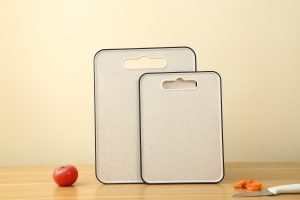
Keeping your cutting board clean and safe is key to healthy food prep. Here’s how to maintain your board the right way:
Daily Cleaning
- Wash with warm soap and water after every use
- Use a scrub brush or sponge to remove food bits
- Avoid bleach to protect the board’s surface and your health
- Air-dry standing upright to prevent moisture buildup
Deep Sanitizing
- Use vinegar or a vinegar-water solution to kill bacteria occasionally
- Avoid soaking wood or bamboo boards — they can warp or crack
- CalmChop boards are best hand-washed, not dishwasher-safe
Conditioning Wood and Bamboo
- Apply food-grade mineral oil monthly to prevent drying and cracking
- Follow CalmChop’s care tutorial for best results
Storage Tips
- Keep boards away from direct sunlight or high heat to avoid damage
- Store upright with good air flow
- Use separate boards for raw meats and cooked foods to avoid cross-contamination
Longevity Hacks
- Resurface your board every 6 to 12 months by sanding to remove deep grooves
- Check for cracks or deep cuts where bacteria can hide—replace if needed
Quick Sanitize Routine
- A simple five-minute rinse with vinegar solution works well to keep your board fresh and bacteria-free
Following these easy steps ensures your CalmChop cutting board stays clean, safe, and durable.
Sustainable Choices Eco-Health Wins with CalmChop
Choosing a cutting board isn’t just about health—it’s also about how your choice impacts the planet. CalmChop focuses on sustainable options that protect both your kitchen and the environment. Their boards use FSC-certified woods, meaning the wood comes from responsibly managed forests that help reduce deforestation. This commitment supports healthier forests and a cleaner planet.
CalmChop cuts out fossil-fuel plastics from its products by favoring natural, renewable materials. The brand also has a carbon-neutral production process, minimizing the overall environmental footprint. Plus, every CalmChop cutting board comes with a lifetime warranty, showing confidence in durability and sustainability.
They package their products in recyclable materials, helping reduce waste once you’re done with your board. When buying, look for boards that are adhesive-free to avoid chemical exposure from glues and formaldehyde—CalmChop’s boards meet this standard, keeping your kitchen safer.
If you want to make a truly eco-friendly and health-conscious purchase, CalmChop offers a buyer guide that covers all these key points, making it easier to choose the right board that aligns with your values.
FAQs Quick Answers on Healthy Cutting Boards
What is the healthiest cutting board material?
Solid hardwood boards like maple and walnut are top picks for health because they’re naturally antimicrobial and knife-friendly. Bamboo is another good option—renewable and dense, it fights microbes naturally.
Are bamboo cutting boards safe for raw meat?
Yes, bamboo boards are safe for raw meat if cleaned properly after every use. Avoid cross-contamination by using separate boards for raw and cooked foods.
Can I use steel cutting boards for food prep?
Stainless steel boards are hygienic and bacteria-proof but can dull knives faster. They work well if you want a non-porous, easy-to-clean surface and don’t mind a harder cutting feel.
How often should I oil my wooden or bamboo cutting board?
Oiling once a month with food-grade mineral oil keeps the board from drying out and cracking. This maintenance also helps maintain its natural antibacterial properties.
What’s the best way to prevent bacteria on cutting boards?
Wash with hot, soapy water right after use
Avoid bleach—it can damage wood
Air dry boards standing upright
Deep clean with vinegar or mild sanitizers monthly
Use separate boards for raw meat and veggies
How can I optimize my cutting board search for voice assistants?
Use natural, simple phrases like “best cutting board for health,” “non-toxic chopping board,” or “easy-to-clean wooden cutting board” to get accurate recommendations.
For more on choosing boards that keep your kitchen safe, check out Is Your Cutting Board Making You Sick Why Antimicrobial Properties Matter.
 English
  German
  Turkish
  Italian
  Russian
  Polish
  Arabic
  French
  Malay
Malay  Japanese
  Korean
  Thai
Thai