
The Hidden Dangers: How Bacteria Thrive in Traditional Kitchens
Let’s face it: our kitchens are busy places where germs love to hang out—especially on cutting boards. Traditional boards, especially those made of wood or plastic, often have tiny cracks and pores that can trap bacteria like E. coli and Salmonella. These stubborn critters thrive on leftover food bits, creating a perfect storm for cross-contamination. That means your raw chicken and fresh veggies might accidentally swap germs, putting your family’s health at risk.
You might have heard that wooden cutting boards are naturally antibacterial, but that’s only half true. While some woods can inhibit bacteria growth, their porous surface can also soak up juices from raw meat. On the flip side, plastic boards are less porous but tend to scar easily, providing bacteria with cozy hiding spots. So, neither option is a perfect shield against foodborne illnesses.
The real-world consequences aren’t just theoretical. Every year, thousands of families face upset stomachs and more serious illnesses due to unsafe food prep at home. It’s not just a “mom worry”—it’s a public health issue.
Thankfully, awareness is growing, and so is the market for smarter, antimicrobial kitchenware. Cutting boards designed to actively resist germs are becoming a must-have for anyone serious about family safety and healthier home cooking. Let’s dive into how these innovations are changing kitchen hygiene for good.
The Evolution of Cutting Boards: From Basic to Bacteria-Battling

Cutting boards have come a long way. For years, wood was the go-to material because it’s durable and easy on knives. Later, plastic boards gained popularity since they’re lightweight and dishwasher-friendly. But now, thanks to new tech and a focus on hygiene, cutting boards are evolving faster than ever.
The COVID-19 pandemic put a spotlight on kitchen cleanliness, pushing people to rethink how they prep food safely. Alongside this, a growing demand for sustainable products has inspired makers to blend eco-friendly materials with advanced antibacterial features.
Today’s cutting boards often include special antibacterial technologies like silver ions, Microban coatings, or chemical-free germ inhibitors. These innovations work to stop bacteria from growing on the surface, reducing risks of cross-contamination right where you prep your meals.
Looking ahead to 2025, expect to see more dishwasher-safe hybrid boards that combine the best of wood and plastic, plus multifunctional designs that cater to busy family kitchens. These new boards don’t just keep germs down — they help keep your whole cooking space cleaner and safer.
What Makes an Antibacterial Cutting Board a Game-Changer?
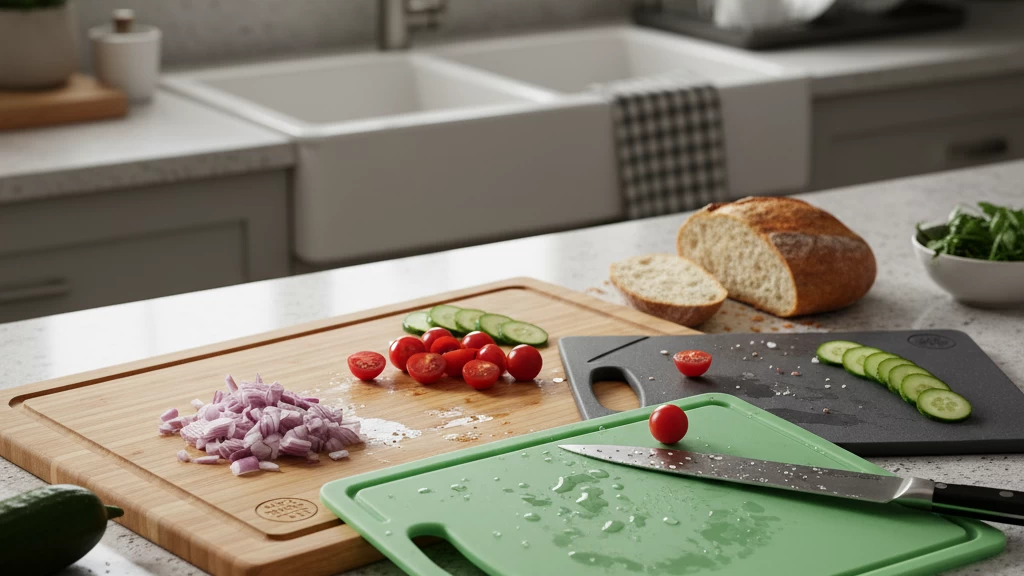
Antibacterial cutting boards stand out because of their non-porous surfaces that don’t soak up juices or germs like traditional wood or worn plastic boards. This means fewer hiding spots for bacteria like E. coli or Salmonella, which helps prevent kitchen cross-contamination.
They also offer knife-friendly durability, holding up well against everyday chopping without deep grooves that can trap food and germs. Plus, they resist odors, so your board won’t carry leftover smells from garlic, onions, or fish.
The secret behind their antibacterial power often comes from built-in technologies like silver ions or chemical-free coatings. These slow down bacteria growth, which has been backed by lab tests showing safer, cleaner food prep surfaces.
For families, many of these boards include color-coded options, making it easy to separate raw meat, veggies, and cooked foods—cutting down on risks during meal prep, especially with kids in the kitchen.
Finally, eco-conscious consumers will appreciate that top-quality antibacterial cutting boards are made from recyclable, BPA-free materials. This supports sustainable kitchen habits without sacrificing hygiene or durability—helping keep both your family and the planet safe.
For more on choosing the right materials, check out this detailed guide on how to choose recyclable plastic cutting boards.
Choosing the Right Antibacterial Cutting Board: A Buyer’s Guide
Picking the right antibacterial cutting board means looking beyond just style. Here’s what counts:
Key Criteria to Consider
- Size & Thickness: Bigger boards give you more room but can be harder to clean and store. Thicker boards last longer but weigh more. Match size to your usual kitchen prep.
- Hygiene Certifications: Look for boards certified by NSF or ANSI. These seals ensure the product meets strict sanitation standards, giving you extra peace of mind.
Material Pros and Cons
- HDPE Plastic: Non-porous and dishwasher-safe, HDPE plastic cuts down bacteria growth and cleans easily. It’s affordable, durable, and best for everyday use.
- Bamboo Composites: Eco-friendlier and naturally antimicrobial to some degree, bamboo boards are lightweight and knife-friendly. But they need hand washing and more care to avoid cracks and warping.
For a detailed comparison, check out Calmchop’s review on plastic and wooden chopping boards.
Pro Tips for a Cleaner Kitchen
- Pair your board with antimicrobial sponges or scrubbers to create a full hygiene system.
- Use color-coded boards for different food types—meats, veggies, and fruits—to prevent cross-contamination.
- Store boards upright in a dry place so air circulates and bacteria can’t settle.
Choosing the right antibacterial cutting board isn’t just about preference—it’s about keeping your family safe while cooking. For reliable, eco-friendly options with proven germ-fighting surfaces, explore Calmchop’s range of antibacterial cutting boards and bring safer food prep home.
Spotlight on Calmchop: Innovation You Can Trust for Family Kitchens
Calmchop stands out with its non-porous, antibacterial cutting boards designed for busy American families who want safer kitchens. These boards are made with eco-friendly materials that resist bacteria build-up, helping reduce cross-contamination during food prep. They’re also built tough to handle daily chopping while being gentle on your knives.
What really sets Calmchop apart is their commitment to sustainable sourcing and durability. You get long-lasting kitchen tools that don’t sacrifice safety or style. Families love how these cutting boards make holiday cooking and school lunch prep a breeze—no lingering smells or stains, just clean, worry-free chopping every time.
Ready to upgrade your kitchen? Calmchop offers a risk-free trial so you can test their antibacterial cutting boards with confidence. Check out their lineup online and bring home a germ-free, eco-friendly food prep tool your family deserves.
Everyday Tips: Maximizing Safety with Your New Cutting Board
Keeping your antibacterial cutting board in top shape means following a few simple steps. Always hand wash with warm, soapy water right after use—avoid the dishwasher unless the board is labeled dishwasher-safe. After washing, air dry it fully to prevent moisture buildup, which can encourage bacteria growth. Replace your cutting board every 1 to 2 years, or sooner if deep grooves or cracks appear.
To reduce cross-contamination, use color-coding for different food types—assign one board for meat, another for veggies, and another for fruits. Store your cutting boards upright and separate so air flows around them, helping keep them dry and clean. Show your kids how to use and clean their designated boards safely, making meal prep a fun and hygienic activity for the whole family.
For extra peace of mind, consider using sanitizing sprays designed for kitchenware, especially after handling raw meat or seafood. Setting up zoned prep areas in your kitchen helps keep allergens and bacteria from spreading between foods.
Following these habits means:
- Fewer foodborne illnesses and doctor visits
- Fresher, safer meals every time
- Confidence knowing your kitchen is a healthier place for your family
Keeping up with simple routines maximizes the benefits of your antibacterial cutting board—making your home cooking safer and less stressful.
For more details on choosing the best materials and care tips, check out our guide on how to choose a cutting board that protects your health.
 English
  German
  Turkish
  Italian
  Russian
  Polish
  Arabic
  French
  Malay
Malay  Japanese
  Korean
  Thai
Thai