
What Makes Wheat Straw a Game-Changer for Sustainable Kitchenware
Understanding Wheat Straw From Farm Byproduct to Kitchen Essential
Have you ever wondered what happens to wheat stalks after the grain is harvested? Instead of letting this natural material go to waste, wheat straw turns a simple farm byproduct into a powerful resource for eco-friendly kitchenware. Wheat straw is the dry stalk left behind, a renewable and biodegradable material that often gets overlooked. By transforming it into wheat fiber composite boards, manufacturers create cutting boards that are not only durable but also sustainable alternatives to plastic or traditional wood.
Using wheat straw in kitchen tools means tapping into a resource that requires no extra farming, fertilizers, or water—just smart reuse of existing agricultural waste. This process helps reduce microplastic pollution since wheat straw boards are free from plastic particles and are biodegradable. Plus, many are BPA free wheat straw products, giving you a non-toxic cutting surface safe for food prep.
It’s a win-win for anyone who wants to enjoy strong, durable kitchen essentials while making a positive impact on the planet. Next, we’ll see why this natural material is grabbing attention for health and safety benefits in kitchens everywhere.
If you’re curious about antibacterial advances in kitchen tools, check out our insights on modern antibacterial cutting boards.
What Makes Wheat Straw a Game-Changer for Sustainable Kitchenware Health and Safety Perks Non-Toxic Chopping Without Compromise

Wheat straw cutting boards stand out because they offer a truly non-toxic chopping surface. Unlike traditional plastic boards that can contain BPA or harmful chemicals, wheat straw boards are made from natural wheat fiber composite materials, which are completely BPA free. This means no worrying about toxins leaching into your food during meal prep.
Another big plus is that wheat straw cutting boards are naturally antimicrobial. They resist bacteria build-up better than many plastic or wood options, helping keep your kitchen safe and hygienic. Plus, these boards are free from microplastics, making them a cleaner choice for your home and the environment.
For families in the U.S. who want safer, healthier kitchen tools without giving up durability or ease of use, wheat straw boards hit the mark perfectly. They combine eco-friendly chopping board benefits with worry-free food prep—so you get both safety and practicality in one.
Pros and Cons Is a Wheat Straw Cutting Board Right for You
Top Advantages of Wheat Straw Cutting Boards
Wheat straw cutting boards bring some solid benefits for anyone looking to switch to sustainable kitchenware. Here’s why they stand out:
- Eco-Friendly Material: Made from wheat straw, a renewable farm byproduct, these boards help reduce waste and lower environmental impact compared to plastic or wood. They’re part of the growing trend toward biodegradable kitchen tools.
- Non-Toxic and Safe: Unlike some plastic boards, wheat straw boards are BPA free and free from harmful chemicals, providing a non-toxic cutting surface that’s safe for food prep. Perfect if you’re mindful of what touches your food.
- Durable and Lightweight: These boards balance strength and lightness well. They won’t warp or crack easily like wood, and they’re easier to handle than heavy bamboo or hardwood boards.
- Antimicrobial Properties: Many wheat fiber composite boards have natural antimicrobial qualities, meaning they resist bacteria better than many traditional cutting boards.
- Low Maintenance: Most wheat straw cutting boards are dishwasher safe, making cleanup quick and simple – a big plus for busy kitchens.
- Microplastic Free: Since they’re made from plant-based materials, these boards don’t contribute to microplastic pollution, which is a growing concern with synthetic kitchenware.
For anyone in the U.S. market focused on sustainable food prep alternatives and looking for a reliable, eco-friendly chopping board, wheat straw cutting boards strike a nice balance of durability, safety, and environmental responsibility.
Realistic Drawbacks and How to Overcome Them

Wheat straw cutting boards are great, but they’re not perfect. Knowing the downsides helps you decide if this eco-friendly wheat straw cutting board fits your kitchen.
Here’s what to keep in mind:
- Less Durable Than Hardwoods: Wheat straw boards can wear down faster if you’re chopping heavy or using very sharp knives often.
How to fix: Use it mainly for fruits, veggies, and light chopping. Rotate with a sturdier board for tougher tasks. - Not Fully Heat Resistant: They can warp or get damaged if exposed to high heat or placed in the oven.
How to fix: Avoid putting it near hot pans or in a dishwasher with high heat cycles. - Surface Shows Knife Marks: Over time, minor scratches can appear more than on plastic or wood boards.
How to fix: Regular cleaning and light sanding if needed keeps it smooth. - Not Always Dishwasher Safe: Some wheat fiber composite boards aren’t recommended for dishwashers, which can be inconvenient.
How to fix: Hand wash with warm, soapy water and dry immediately to extend the board’s life.
Despite these drawbacks, many appreciate the non-toxic, BPA free wheat straw products as a safer, microplastic free kitchenware choice. To get the most out of your wheat straw cutting board, consider matching its use and care to its strengths. For more tips on caring for eco-friendly boards, you can check out how to care for and clean your nonslip cutting board to extend its life.
How to Choose the Best Wheat Straw Cutting Board A Buyers Checklist
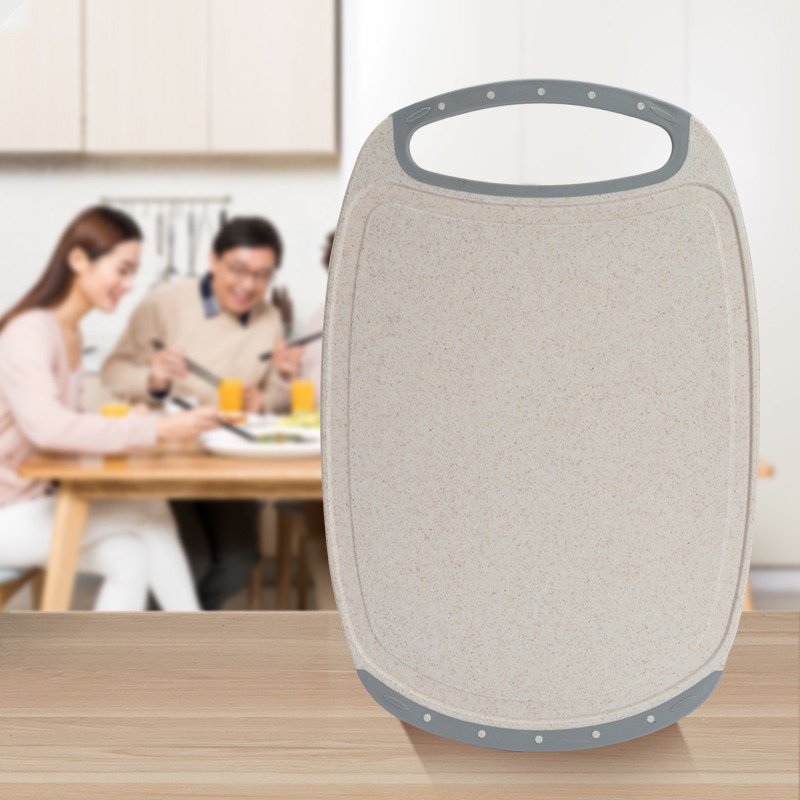
Key Factors for Smart Selection
When picking a wheat straw cutting board, focus on these key points to make sure you get the best fit for your kitchen needs:
-
Material Quality
Choose boards made from high-quality wheat fiber composite board that feels sturdy and smooth. This ensures durability and a safe, non-toxic cutting surface.
-
Size and Thickness
Consider how much prep space you need. A larger board is great for big meals, while a smaller one saves counter space. Thickness matters too; thicker boards last longer and resist warping.
-
Non-Toxic and BPA Free
Look for boards labeled BPA free wheat straw products. This guarantees your cutting board won’t leach harmful chemicals into your food, keeping food prep safe.
-
Antimicrobial Properties
Some wheat straw boards have built-in antimicrobial features, which help reduce bacteria growth and keep your board cleaner after use.
-
Dishwasher Safe
For easy cleaning, check if the board is dishwasher safe eco boards. This lets you keep it hygienic without extra effort.
-
Eco-Friendly Certification
Since you want sustainable kitchenware, make sure your chosen board is made from renewable byproduct materials and is biodegradable kitchen tools friendly.
-
Design and Grip
Look for boards with a textured surface or non-slip feet. This keeps the board stable, making chopping safer and easier.
-
Price and Warranty
Finally, balance cost with quality. A higher upfront price can mean better durability. Check if the brand offers any warranty or satisfaction guarantees.
Following this checklist will help you find a wheat straw cutting board that fits your kitchen style, supports eco-friendly choices, and gives you a reliable chopping surface for years.
How to Choose the Best Wheat Straw Cutting Board A Buyers Checklist
Comparing Wheat Straw to Other Sustainable Options
When you’re shopping for sustainable kitchenware, it helps to know how wheat straw cutting boards stack up against other eco-friendly choices. Here’s a quick look at how wheat straw compares:
Wheat Straw vs Bamboo
- Wheat straw boards are made from a renewable farm byproduct, meaning they use leftovers instead of cutting down trees. Bamboo grows fast too, but harvesting it still requires land and water resources.
- Wheat straw boards tend to be lighter and more flexible, while bamboo is harder and more rigid. This affects durability and feel when prepping food.
Wheat Straw vs Plastic Cutting Boards
- Most plastics aren’t biodegradable and can release microplastics over time, making them less eco-friendly. Wheat straw boards are biodegradable and free from BPA and other toxins.
- Wheat straw offers a non-toxic cutting surface that’s safe for food prep without worrying about harmful chemicals.
Wheat Straw vs Wood Cutting Boards
- Wood boards can be durable and antimicrobial naturally, but they require more care like oiling and are prone to warping or cracking over time.
- Wheat straw boards are dishwasher safe and easier to maintain, with resistance to stains and odors.
Wheat Straw vs Composite or Resin Boards
- Composite boards can be strong but often include synthetic resins or plastics. Wheat straw is made from natural wheat fiber composites, making it a greener option.
In short, wheat straw cutting boards provide a balance of sustainability, safe food prep, and ease of care that many eco-friendly shoppers in the US are looking for. They fit well in kitchens where non-toxic, biodegradable kitchen tools are a priority without sacrificing performance.
Spotlight Why CalmChops Wheat Straw Cutting Board Stands Out
Meet CalmChop Crafted for Calm Conscious Kitchens
CalmChop’s wheat straw cutting board is designed with today’s eco-conscious cooks in mind. Made from a durable wheat fiber composite board, it offers a smart alternative to traditional plastic or wood boards. What sets CalmChop apart is its focus on sustainability without sacrificing performance or safety.
This cutting board is BPA free, non-toxic, and completely free from microplastics, making it a safe choice for food prep. Plus, the wheat straw material is renewable and biodegradable, so you’re cutting down waste right in your kitchen. It’s an ideal tool if you want eco-friendly chopping board options that don’t compromise on durability or hygiene.
Designed to be dishwasher safe, CalmChop boards are easy to clean, saving time while keeping your kitchen tools fresh and ready. Their natural antimicrobial properties reduce bacteria buildup, keeping your chopping surface safer for daily use.
In short, CalmChop offers a balance of sustainability, safety, and simplicity—all packaged in a stylish, functional wheat straw board perfect for American kitchens looking for green food prep alternatives.
For a look at other innovative kitchen prep tools, check CalmChop’s full range of sustainable cutting boards designed to fit different cooking needs and preferences.
Real User Stories CalmChop in Action
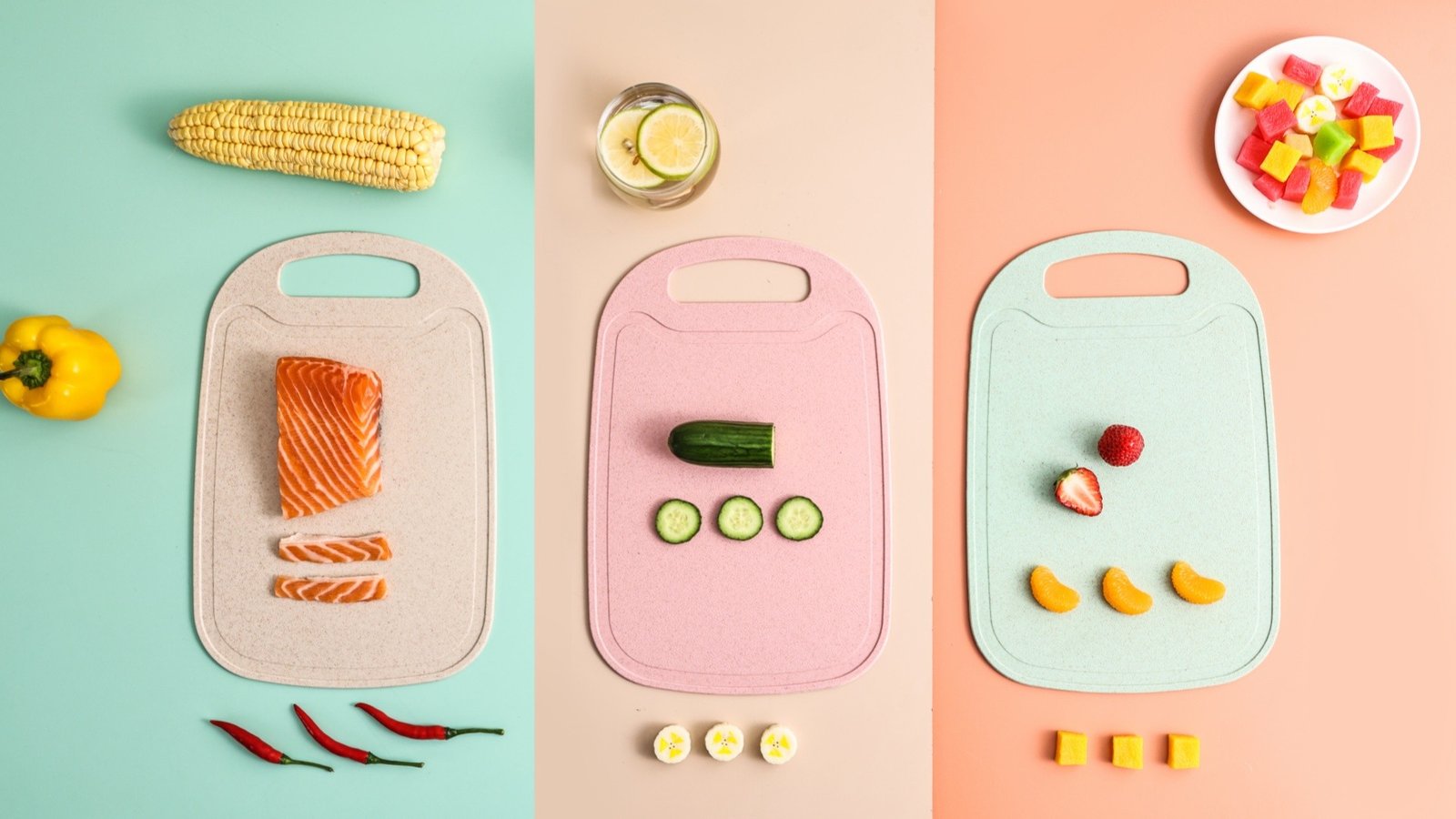
People who’ve switched to the CalmChops wheat straw cutting board often mention how it quickly became their go-to kitchen tool. Users appreciate the non-toxic wheat straw cutting board surface that feels sturdy yet light, making food prep easier. Many highlight that it’s a refreshing change from plastic boards that stain or hold odors.
Busy home cooks love that CalmChops is dishwasher safe, helping them save time without worrying about damaging the board. Parents mention feeling safer using an eco-friendly chopping board free from BPA and microplastics, especially around kids.
One standout comment is how the wheat straw board stays fresh longer than traditional wood or plastic boards thanks to its natural antimicrobial cutting board properties. Users also appreciate knowing that CalmChop is made from a renewable byproduct material helping reduce kitchen waste.
Overall, CalmChops fits well into everyday sustainable kitchens across the U.S., blending convenience with conscious living—exactly what many customers are after when choosing a sustainable food prep alternative.
Maintenance and Longevity Keep Your Wheat Straw Board Chopping Strong
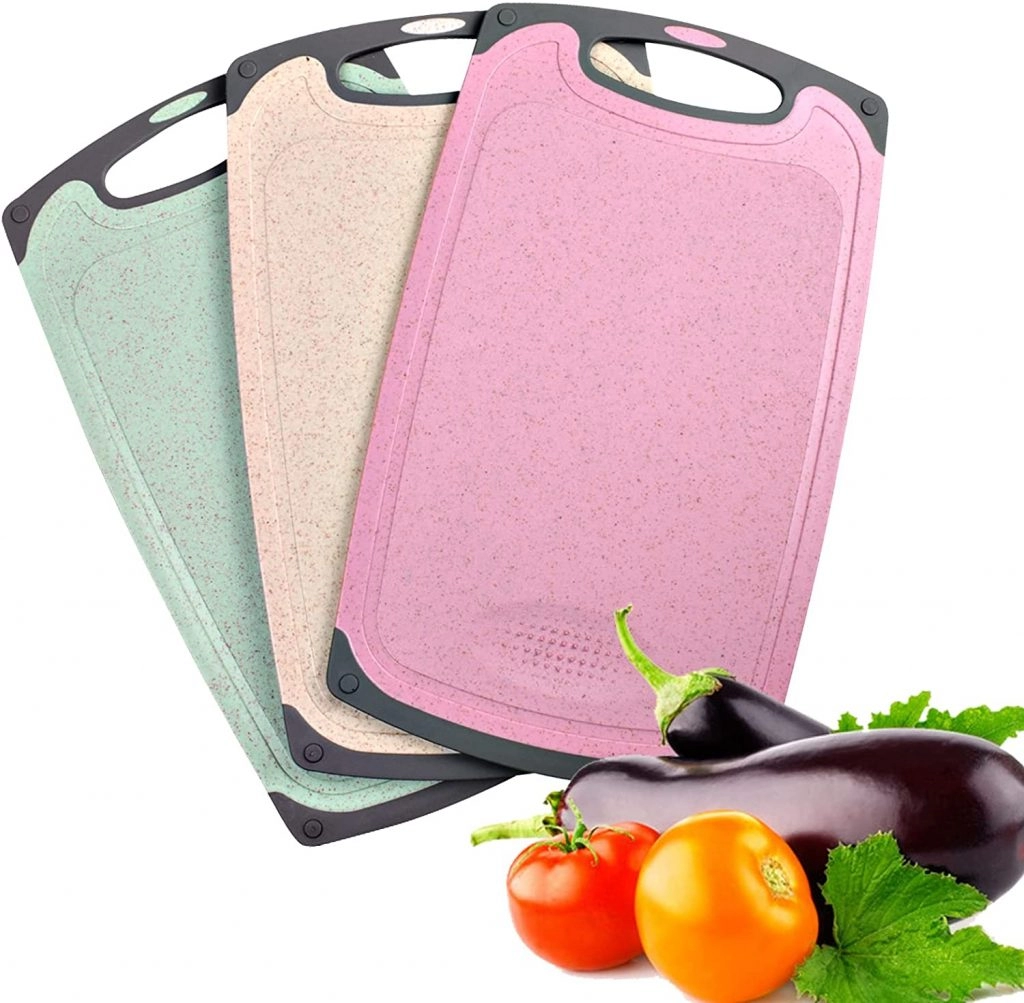
Daily Care Tips for Peak Performance
To keep your wheat straw cutting board in top shape, a little daily care goes a long way. Here’s how to maintain your eco-friendly wheat straw cutting board for long-lasting use:
- Wash by hand with mild soap and warm water right after use. Avoid harsh detergents that could wear down the surface.
- Skip the dishwasher even if some boards say dishwasher safe; heat can weaken the wheat fiber composite board over time.
- Dry thoroughly with a clean towel or air dry in a well-ventilated area to prevent moisture buildup and warping.
- Avoid soaking your board in water since prolonged exposure can degrade the board’s structure.
- Store it flat or upright in a dry spot to keep it stable and avoid cracks or bends.
- Use both sides of the board when chopping to distribute wear evenly and extend its lifespan.
Following these simple steps will keep your non-toxic wheat straw cutting board ready for safe, sustainable food prep every day. This way, your board stays strong, antimicrobial, and free from microplastics, making it a truly reliable kitchen tool you can trust.
Maintenance and Longevity Keep Your Wheat Straw Board Chopping Strong
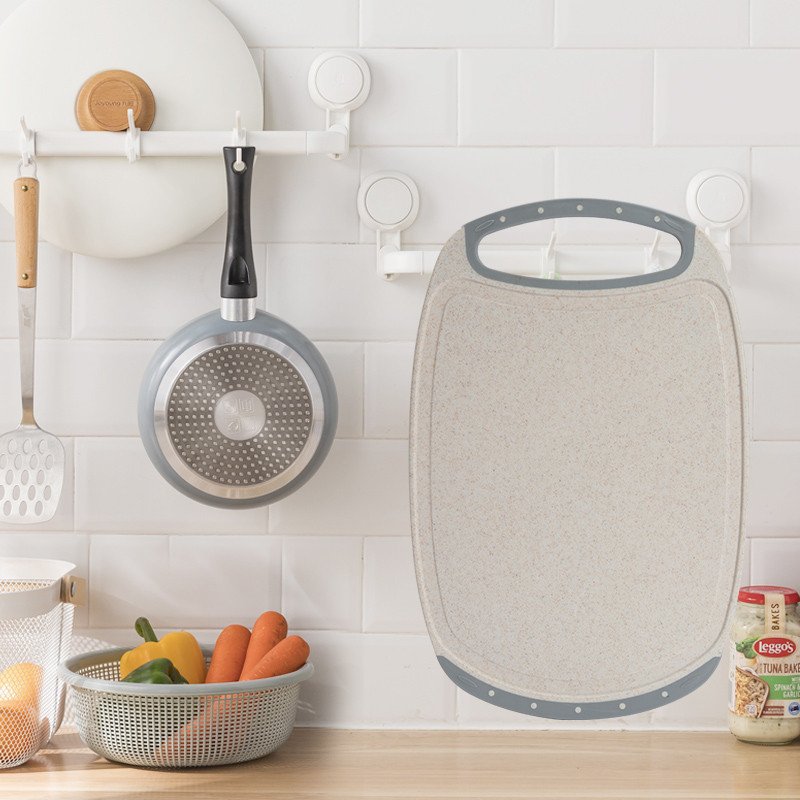
End of Life Zero Waste Disposal
When your wheat straw cutting board reaches the end of its life, disposing of it responsibly is simple and eco-friendly. Since wheat straw boards are made from renewable byproduct materials, they’re biodegradable and won’t add to landfill waste. Here’s how to handle zero waste disposal:
- Compost it: Break your board into smaller pieces and add them to your home compost bin. The wheat fiber composite board will naturally decompose, enriching your soil without chemicals or plastics.
- Check Local Facilities: If composting at home isn’t an option, many community compost centers accept biodegradable kitchen tools. Contact local waste facilities to see if they take wheat straw products.
- Avoid Landfill: Don’t toss your board in regular trash where it could end up in a landfill. Proper disposal helps keep microplastic free kitchenware truly sustainable.
By choosing a wheat straw cutting board, you’re not only opting for a BPA free wheat straw product that’s safe for food prep but also supporting a zero waste lifestyle that benefits the planet long after the last chop. For tips on daily care, see our section on maintaining your board’s performance to keep it going strong for years.
FAQs Quick Answers on Wheat Straw Cutting Boards
Are wheat straw cutting boards safe for food prep?
Yes, they’re made from non-toxic wheat fiber composite board, free from BPA and harmful chemicals, making them safe and healthy for your daily food prep.
Do wheat straw cutting boards resist bacteria?
Many wheat straw boards have natural antimicrobial properties, which help keep your chopping surface cleaner and reduce the risk of cross-contamination.
Can I put my wheat straw cutting board in the dishwasher?
Some eco-friendly wheat straw cutting boards are dishwasher safe, but it’s best to check the manufacturer’s guide to keep your board durable and long-lasting.
How sustainable is wheat straw as a kitchenware material?
Wheat straw is a renewable byproduct material, biodegradable and microplastic free, making it one of the most sustainable food prep alternatives on the market.
How do wheat straw cutting boards compare to plastic or wood?
They’re eco-friendly chopping boards that don’t warp like wood and avoid the environmental issues tied to plastic. Plus, they’re BPA free and often dishwasher safe, combining convenience with sustainability.
What should I look for when buying a wheat straw cutting board?
Focus on these key factors:
- Food-safe certification
- Durable wheat fiber composite material
- Size and thickness for your prep needs
- Ease of cleaning and maintenance
Interested in detailed tips on caring for your board? Check out cutting board maintenance tips for simple ways to keep it chopping strong.
 English
  German
  Turkish
  Italian
  Russian
  Polish
  Arabic
  French
  Malay
Malay  Japanese
  Korean
  Thai
Thai