
Choosing the wrong prep surface doesn’t just dull your knives—it compromises your kitchen’s food safety.
If you want a surface that is durable, non-porous, and certified safe for meal prep, choosing the right food-grade plastic cutting board makes all the difference.
In this guide, you’ll learn exactly what materials to look for, how to prevent bacterial buildup, and how to pick the best food-grade plastic cutting board for your kitchen’s daily demands.
Let’s dive right in.
Understanding Food-Grade Plastics: Polypropylene (PP) vs. HDPE vs. Standard Plastics
Choosing the right food-grade plastic cutting board starts with material density and food-contact certification. Standard low-grade plastics score easily, release particles, and absorb liquids. High-performance prep surfaces rely on engineered polymers that balance blade protection, structural strength, and hygienic safety.
Material Comparison: HDPE vs. Food-Grade PP vs. Standard Plastics
- High-Density Polyethylene (HDPE): Engineered for high-impact durability. HDPE handles heavy, repetitive slicing in commercial settings, offering solid resistance to deep gouges while remaining forgiving on knife edges.
- Food-Grade Polypropylene (PP): Known for superior thermal stability, structural stiffness, and excellent odor resistance. High-density PP composite surfaces resist high dishwasher heat cycles without warping and prevent strong food aromas from clinging to the board.
- Standard Commodity Plastics: Cheap utility plastics degrade rapidly under sharp blades. They develop rough, scarred channels that are difficult to clean and pose micro-shredding risks.
| Material Type | Heat & Warp Resistance | Odor & Stain Resistance | Knife Impact Feel | Ideal Kitchen Application |
|---|---|---|---|---|
| Food-Grade PP Composite | High (Dishwasher-Safe) | Excellent | Smooth, controlled | Everyday home & precision prep |
| Commercial HDPE | Moderate to High | Good | Soft, shock-absorbing | Heavy commercial butchery |
| Standard Plastic / PET | Low (Warps easily) | Poor | Rough, easily gouged | Light, disposable utility |
Certified Food Safety: BPA-Free and Non-Porous Construction
- 100% BPA-Free and Phthalate-Free: True food-grade plastics meet strict global food-contact safety standards, ensuring that harmful chemicals never leach into raw proteins, fruits, or vegetables during heavy chopping.
- Non-Porous Surface Seal: High-density food-grade composite surfaces prevent liquid penetration. Because juices cannot soak past the surface layer, bacteria and lingering food odors wash away completely with standard soap and water.
- Structural Hygiene: Low-porosity engineering resists deep knife tracking, keeping the cutting surface smooth, clean, and reliable for daily kitchen prep.
The Food Safety Equation: Plastic vs. Wood vs. Metal Surfaces
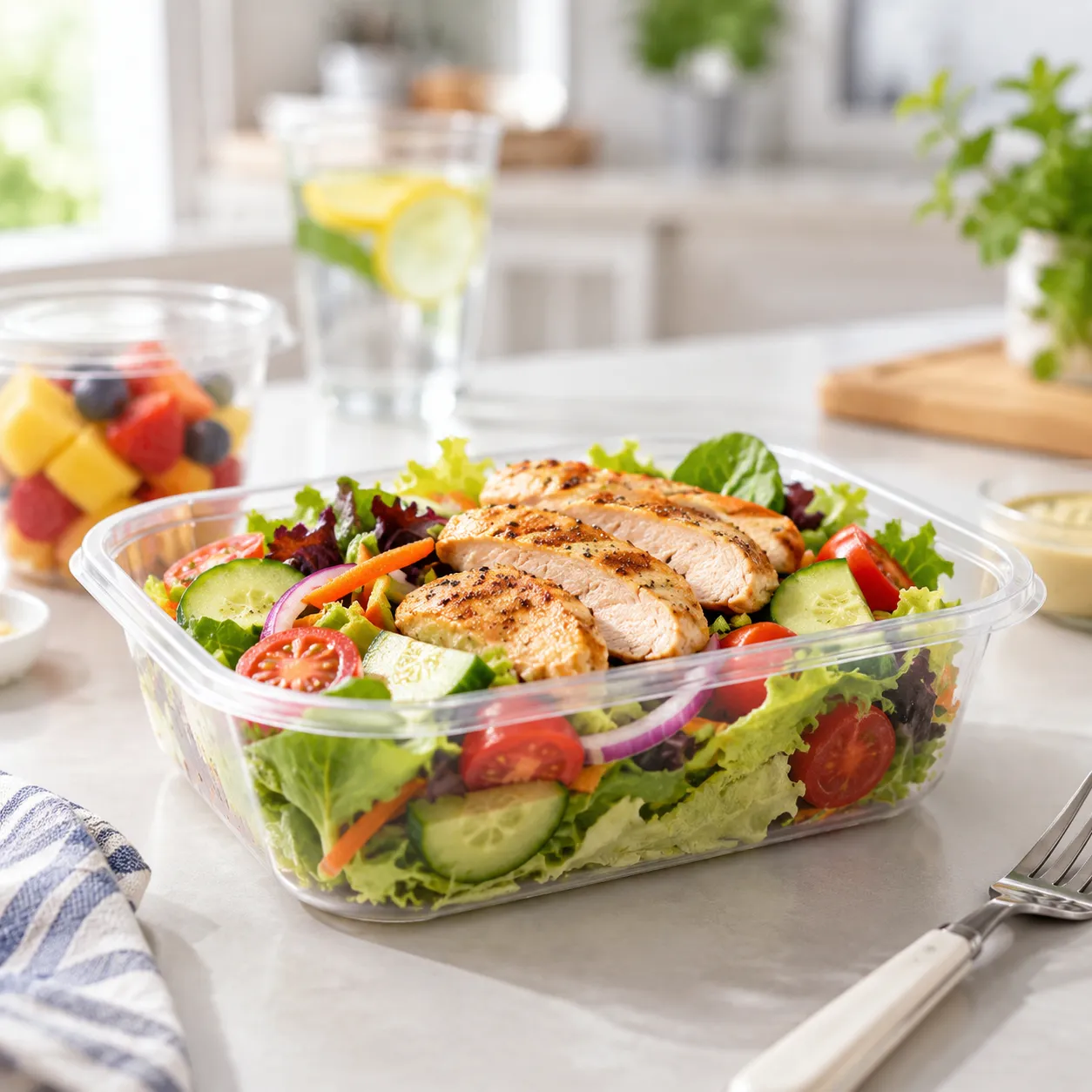
Choosing the right food prep surface comes down to real kitchen hygiene and daily practical use. Traditional cutting surfaces often force a compromise between knife sharpness, hygiene, and cleanup convenience. Understanding how different materials interact with food types helps maintain a clean, safe cooking environment.
| Surface Material | Cross-Contamination Risk | Dishwasher Safe | Knife Edge Protection | Primary Kitchen Use |
|---|---|---|---|---|
| Food-Grade Plastic / PP | Low (Non-porous) | Yes (High-heat tolerant) | High (Gentle on blades) | Produce, fruits, everyday prep |
| Traditional Hardwood | Moderate (Porous, absorbs juices) | No (Warps and cracks) | High (Blade friendly) | Bread, dry chopping, serving |
| Titanium / Food Metal | Extremely Low (Zero absorption) | Yes (Pathogen control) | Moderate to High | Raw meats, poultry, seafood |
| Dual-Material Hybrid | Lowest (Dedicated sides) | Yes (Total sanitization) | Optimized for both prep styles | Complete all-in-one prep |
Managing Raw Proteins vs. Ready-to-Eat Produce
Cross-contamination occurs most frequently when raw poultry, beef, or seafood juices touch ready-to-eat vegetables. We advocate for strict physical separation during prep:
- Porous materials like wood can absorb liquid runoff and trap bacteria deep inside grain fissures, requiring extensive oiling and manual scrubbing.
- Non-porous food-grade plastic surfaces prevent meat juices and moisture from penetrating the core, ensuring pathogens remain on the exterior where they can be thoroughly washed away.
High-Temperature Dishwasher Sanitation Tolerance
True pathogen control requires heat. Standard wood and cheap laminated boards split, warp, or delaminate under high-heat sanitizing cycles. High-density, food-grade polypropylene withstands high-temperature dishwasher cycles without structural degradation, allowing for complete thermal disinfection after handling raw ingredients.
Balancing Surface Hardness and Knife Scoring
Surface hardness must strike an exact balance:
- Too hard (e.g., glass or stone): Destroys fine knife edges instantly, leading to dull, unsafe blades.
- Too soft (e.g., low-grade soft plastic): Yields deep knife grooves that trap microbes, harbor lingering food odors, and shed micro-shavings.
- Optimized food-grade composite: Absorbs blade impact to keep knives sharp while resisting deep scoring, keeping the prep surface clean and smooth over repeated use.
Dual-Material Hybrid Solutions for Complete Separation
Instead of cluttering prep stations with multiple bulky boards, a dual-material hybrid design delivers total cross-contamination prevention in a single footprint. By utilizing a high-density, food-grade plastic cutting board surface on one side for crisp produce and a non-porous titanium alloy surface on the reverse for raw proteins, we streamline prep workflow while meeting high food safety standards.
Key Performance Features to Look for in a Food-Grade Plastic Cutting Board
A high-performance food-grade plastic cutting board should solve everyday kitchen frustrations: sliding surfaces, loud clatter, messy countertops, and slow drying. When we design and evaluate prep boards, we look for four critical build elements that separate professional-grade boards from cheap, flimsy sheets.
1. Acoustic and Kinetic Dampening Layers
Repetitive chopping on hard countertops creates loud noise and sends shock vibrations straight to your wrists.
Noise Reduction: Multi-layer sound-dampening cores absorb impact energy, keeping morning prep and late-night slicing quiet.
Joint Comfort: Kinetic shock absorption reduces wrist fatigue during extended prep sessions.
2. Deep Perimeter Juice Grooves
Liquid runoff from carved roasts, ripe tomatoes, and citrus fruits quickly ruins clean countertops.
High-Capacity Wells: Deep perimeter channels trap excess liquids before they spill over the edge.
Mess-Free Prep: Keeps prep stations dry, hygienic, and easy to wipe down.
3. Non-Slip TPR Rubber Borders
A shifting board is a major safety hazard.
Counter Grip: Integrated thermo-plastic rubber (TPR) borders and molded feet lock the board firmly to marble, granite, quartz, and stainless steel surfaces.
Zero Sliding: Eliminates the old-school hassle of placing damp paper towels underneath your prep board for stability.
4. Integrated Hanging Ports and Ergonomic Handles
Proper drying prevents stagnant water buildup and keeps kitchen storage organized.
Rapid Vertical Air-Drying: Built-in hanging handles allow full airflow around both sides of the board.
Effortless Handling: Provides a secure grip when transferring chopped ingredients directly into pots and pans.
| Feature | Primary Function | Everyday Benefit |
|---|---|---|
| Sound-Dampening Core | Kinetic shock absorption | Eliminates harsh clatter and eases wrist strain |
| Deep Juice Channels | Liquid containment | Keeps countertops dry and clean during heavy slicing |
| TPR Rubber Edging | Non-slip countertop grip | Ensures maximum stability and cutting safety |
| Hanging Handle | Vertical storage & airflow | Accelerates drying time and saves cabinet space |
Controlling Cross-Contamination: Commercial Kitchen Protocols at Home
Professional kitchens rely on strict food safety color standards to eliminate cross-contamination—using red for raw meats, green for produce, and yellow for poultry. While effective, storing a six-board stack at home clutters countertops and fills up cabinets fast. We bring that same commercial hygiene standard into home kitchens through a streamlined, smarter format.
Commercial Color-Coding Standards vs. Smart Dual-Sided Prep
Instead of hoarding multiple single-use boards, adopting a high-performance dual-sided cutting board gives you complete separation of ingredients without the bulk.
- Side A: Food-Grade Composite / PP Plastic: Built for ready-to-eat foods, bread, crisp fruits, and delicate vegetables. It provides a knife-friendly, resilient surface that keeps blades sharp and prep clean.
- Side B: Ultra-Dense Metallic / Non-Porous Surface: Engineered specifically for raw proteins, poultry, and seafood. The non-porous face ensures meat juices cannot seep into the core, eliminating bacterial buildup and lingering odors.
+——————————————————————————–+
| Prep Zone | Surface Material | Ideal Use Case |
+——————————————————————————–+
| Produce & Fruit | Food-Grade PP Composite | Vegetables, herbs, bread, fruit |
| Raw Proteins | Non-Porous Titanium Alloy | Chicken breast, beef, raw fish |
+——————————————————————————–+
Streamlined Food Safety for Everyday Cooking
By designating specific textures and materials to specific food groups, our food-grade plastic cutting board setup enforces clean culinary workflows:
- Zero Flavor Transfer: Keep raw garlic and onion oils on one surface without transferring strong aromas to morning fruits.
- Rapid Flipping: Move seamlessly from slicing raw chicken to dicing garnishes by flipping the board over.
- Space-Saving Hygiene: Get the full cross-contamination protection of commercial kitchen protocols inside a single, easy-to-store footprint.
Maintenance, Cleaning, and Sanitization for Food-Grade Plastic Cutting Boards
Keeping a food-grade plastic cutting board hygienic does not require complicated routines, but proper care ensures the surface stays stain-free, odor-free, and safe for daily meal prep.
Daily Cleaning Routines: Gentle Detergents vs. Abrasive Scrubbers
- Mild dish soap and warm water: A quick rinse with standard dish soap and warm water removes surface oils and everyday food debris immediately after prep.
- Soft sponges over steel wool: Always use non-scratch sponges or soft-bristled brushes. Harsh abrasive scrubbers and steel wool can scuff the board’s finish, creating micro-grooves where food particles can lodge.
- Instant wipe-downs: Rinsing the board immediately after working with acidic or fatty ingredients prevents residues from drying on the non-porous food prep surface.
Deep Sanitizing Methods
For deep cleaning after handling heavy aromatics or raw proteins, we recommend three effective sanitization methods:
| Sanitizing Method | How to Apply | Best Used For |
|---|---|---|
| High-Heat Dishwasher Cycle | Place the board securely in the dishwasher for a full wash and heat-sanitizing dry cycle. | Routine sanitizing and melting away grease without warping. |
| Distilled White Vinegar | Spray pure white vinegar across the surface, let it sit for 5 minutes, then rinse. | Natural antibacterial treatment for daily vegetable prep. |
| 3% Hydrogen Peroxide | Apply directly to the plastic surface to bubble away organic residues, then rinse thoroughly. | Deep sanitization after preparing raw poultry and meat. |
Removing Stubborn Food Stains and Lingering Odors
Pungent ingredients like garlic, onions, and deeply pigmented spices like turmeric can cling to kitchen tools if not addressed properly.
- Baking soda and lemon paste: Mix equal parts baking soda and fresh lemon juice into a thick paste. Rub it over the stained area, let it sit for 10 to 15 minutes, and wipe clean to neutralize strong sulfur odors and lift color spots.
- Coarse salt scrub: Sprinkle coarse salt over the board and buff gently with half a lemon to pull out set-in odors without scratching the composite surface.
- Sunlight air-drying: After washing, hang the board vertically in a well-ventilated, sunny area. Natural UV exposure helps naturally fade lingering organic spots and ensures complete moisture evaporation.
When to Replace Your Food-Grade Plastic Cutting Board
Even a high-density, food-grade plastic cutting board will eventually show signs of wear. Knowing exactly when to retire your prep board protects your knife edges and keeps your food prep safe from bacterial contamination.
Telltale Signs of Wear
We recommend inspecting your cutting surface under good light once a month. Replace your board immediately if you notice:
Deep knife furrows: Fissures where the blade cuts deep into the core. These micro-crevices trap raw meat juices, moisture, and food residues that standard dishwashing cannot clean.
Surface warping: A warped prep surface rocks on the counter, compromising non-slip borders and creating an unstable, unsafe chopping area.
Fuzzy or peeling edges: Frayed plastic fibers on the chopping face indicate the core material has broken down.
The Risks of Microplastic Shedding
When a cheap or heavily worn plastic board deteriorates, every slice scrapes against damaged ridges. This repeated friction increases the risk of microplastic shedding straight into your meal. Using a dense, non-porous food-grade plastic cutting board resists deep gouging, keeping your kitchen prep clean and microplastic-resistant over extended daily use.
Longevity Benchmarks: High-Density Boards vs. Disposable Mats
| Prep Surface Type | Average Lifespan | Wear Resistance | Food Safety Level |
|---|---|---|---|
| Thin Disposable Mats | 1–3 Months | Very Low (Cuts easily, curls quickly) | Low (Scuffs trap bacteria rapidly) |
| Standard Plastic Boards | 6–12 Months | Moderate (Develops score lines) | Moderate (Requires frequent sanitizing) |
| High-Density Food-Grade Composite | 2–5+ Years | High (Resists deep gouges and warping) | Maximum (Non-porous, dishwasher-safe) |
Investing in a rigid, food-contact certified board with a durable food-grade surface ensures dependable sanitation, knife safety, and lasting performance on your countertop.
Buyer’s Decision Matrix for High-Grade Prep Surfaces
Choosing the right kitchen board comes down to how well a surface protects your knives, your health, and your sanity during daily meal prep. When we evaluate prep surfaces, we measure them against four essential criteria: material safety, knife edge retention, noise reduction, and cleanability.
| Performance Factor | Standard Plastic Mats | Traditional Wood / Bamboo | Modern Dual-Sided Food-Grade Board |
|---|---|---|---|
| Material Safety | High risk of microplastic shedding | Porous; absorbs moisture and bacteria | 100% BPA-free, non-porous, food-contact certified |
| Blade Protection | Moderate | Gentle on edges | Knife-friendly composite surface preserves sharpness |
| Acoustic Comfort | Loud, hollow slapping | Moderate clatter | Integrated sound-dampening layer absorbs impact |
| Sanitization | Warps in high heat | Hand-wash only; prone to mold | Dishwasher-safe; resists deep stains and odors |
| Cross-Contamination | Single-sided use | Hard to sterilize between meats/veggies | Dedicated raw-protein and produce surfaces |
Evaluating Material Safety, Knife Care, Noise Reduction, and Cleanability
A dependable food-grade plastic cutting board must solve the compromises found in traditional boards:
- Certified Non-Toxic Surfaces: The plastic side must be certified BPA-free and high-density, preventing chemical leaching and resisting deep knife scoring where pathogens hide.
- Balanced Blade Care: The prep surface needs enough give to protect razor-sharp Japanese and German steel edges without peeling or flaking into food.
- Acoustic Dampening: High-impact kitchen prep should not create ear-splitting noise. Strategic material layering cushions each chop, reducing both kitchen noise and wrist fatigue.
- Effortless Maintenance: Surfaces should rinse clean in seconds, resist stubborn garlic and onion odors, and tolerate sanitizing dishwasher cycles without warping.
Why Modern Dual-Sided Prep Boards Offer the Ideal Balance
Single-material boards force trade-offs. Harder surfaces sanitize well but dull blades, while softer materials protect knives but scratch easily and harbor bacteria.
Our dual-sided design delivers the ultimate solution. By combining a knife-friendly, high-density food-grade plastic cutting board surface on one side for fresh produce with a medical-grade, non-porous surface on the reverse for raw meats, you get total cross-contamination control in a single, space-saving board. Paired with non-slip borders and deep juice grooves, it delivers a durable, hygienic, and quiet prep workstation built for daily culinary demands.
Frequently Asked Questions
Are food-grade plastic cutting boards safe for hot food prep?
Yes. Quality food-grade plastic cutting boards made from high-density, BPA-free polypropylene safely handle everyday warm ingredients and resting proteins. When carving sizzling meats directly from a screaming-hot pan or grill, using a dual-material setup—such as switching to a solid titanium surface—provides extra thermal protection while keeping your plastic prep side pristine.
How do I prevent deep knife grooves on plastic cutting boards?
Deep gouges trap bacteria and dull your blades. To keep your food-grade plastic cutting board smooth and long-lasting:
Maintain sharp blades: Sharp chef knives slice cleanly, whereas dull edges crush and tear the plastic surface.
Avoid heavy serrated blades: Bread knives and rough teeth shred soft polymers quickly.
Choose high-density surfaces: Opt for non-porous, high-density composite boards that resist deep knife tracks.
Rotate prep zones: Spread out your slicing tasks across the entire board surface instead of chopping in a single spot.
Can food-grade plastic cutting boards go on the bottom rack of a dishwasher?
Cheap, thin plastic mats quickly warp near bottom heating coils. However, high-density food-grade boards built with reinforced borders and thermal-resistant polypropylene tolerate standard dishwasher heat cycles. We still recommend placing them on the top rack or running balanced sanitize cycles to maximize the lifespan of the non-slip rubber edges.
Is polypropylene safer than standard polyethylene for kitchen prep boards?
Food-grade polypropylene (PP) offers higher thermal stability, enhanced odor resistance, and greater rigidity compared to standard low-density polyethylene. Its non-porous structure prevents moisture absorption, resists deep stains from acidic foods, and delivers a reliable, BPA-free prep zone that is both knife-friendly and simple to clean.
 English
  German
  Turkish
  Italian
  Russian
  Polish
  Arabic
  French
  Malay
Malay  Japanese
  Korean
  Thai
Thai