
Understanding Polypropylene: The Material Behind the Safety
When we talk about upgrading your kitchen arsenal, the material you choose is the first line of defense. At Calmchop, we don’t just pick materials at random; we focus on food-safe polypropylene kitchenware because it represents the intersection of hygiene and durability. Polypropylene (PP) is a thermoplastic polymer that is widely classified as a food-grade plastic, making it a staple in professional and safety-focused home kitchens alike.
Key Physical Properties of High-Quality PP
We rely on this material because it solves the biggest headaches of traditional boards. Here is why PP cutting board benefits stand out:
- Non-Porous Surface: Unlike wood, high-density PP creates a sealed surface that prevents raw meat juices, bacteria, and odors from seeping into the core.
- High Heat Tolerance: These boards are built to withstand the high temperatures of modern dishwashers without warping, ensuring thorough sanitization.
- Chemical Resistance: You can chop acidic ingredients like lemons or tomatoes without worrying about the material reacting or degrading.
Regulatory Compliance: FDA Approved and BPA-Free
Safety isn’t just a feeling; it’s a certification. We ensure that our manufacturing process strictly adheres to global standards. When you choose a BPA-free cutting board from a reputable source, you are getting a product that is FDA approved and non-toxic for direct food contact. We prioritize materials that are rigorously tested to ensure no harmful chemicals leach into your meals, aligning with our commitment to “safety first” in every cut.
Addressing Concerns: Durability and Safety
A common worry with plastic is the potential for microplastics or wear over time. This is where quality manufacturing makes a difference. Cheap plastics flake easily, but professional-grade PP is engineered for high load-bearing capacity and scratch resistance. Our approach focuses on durability—tested for thousands of cuts—to maintain structural integrity. By using high-density materials, we minimize surface degradation, ensuring that your hygienic plastic chopping board remains safe and functional for the long haul.
Superior Hygiene and Bacteria Resistance
In the world of professional food preparation, hygiene isn’t just a feature—it’s the foundation of safety. As manufacturers, we choose Polypropylene (PP) because it offers a non-porous cutting surface that naturally repels liquids. Unlike traditional wood or bamboo, which can absorb meat juices and harbor dangerous pathogens deep within their fibers, high-quality PP creates an impermeable barrier against moisture and odors.
To elevate this protection, we integrate advanced Silver-ion and Microban technology directly into our materials. This innovation delivers 99.9% antibacterial efficacy, actively inhibiting the growth of bacteria on the board’s surface between cleanings.
The Power of Heat and Segregation
Maintaining a sterile environment requires tools that can handle rigorous cleaning. A dishwasher safe cutting board is essential for modern standards, as it allows for high-temperature sanitization that hand scrubbing simply cannot match. Our PP boards are engineered to withstand these thermal cycles without warping or degrading, ensuring a deep clean every time.
Beyond heat, structure plays a massive role in safety. We advocate for strict separation of food types to eliminate risks.
- Color-Coded Systems: Just like in commercial kitchens, using distinct boards for raw proteins and fresh produce is the gold standard for hygiene.
- Double-Sided Design: Many of our solutions, such as our custom double-sided chopping boards, feature specific zones to keep raw and cooked foods completely separate.
This combination of antibacterial cutting board material and intelligent design makes PP the superior choice for reducing cross-contamination risks in any safety-focused kitchen.
Ease of Maintenance in Busy Modern Kitchens
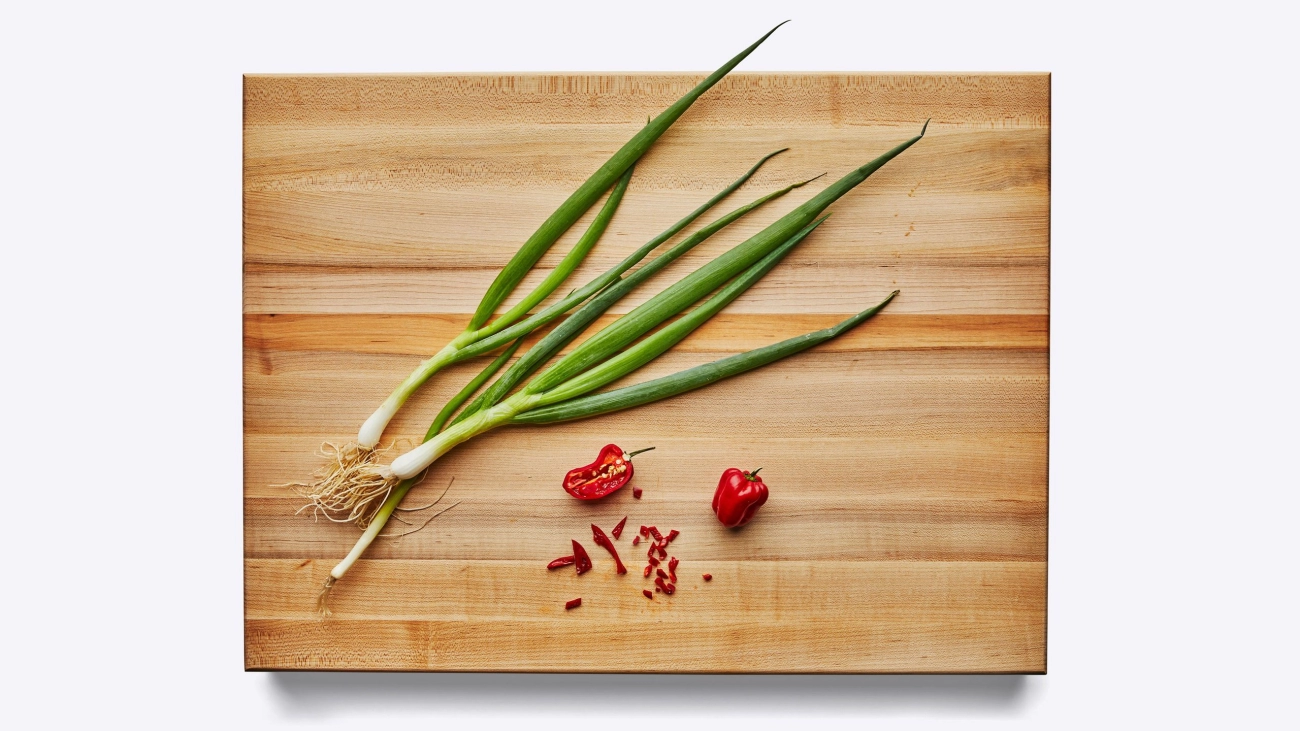
In a fast-paced culinary environment, nobody has time for high-maintenance tools. Unlike traditional wood blocks that demand regular oiling, waxing, and seasoning to prevent cracking, a hygienic plastic chopping board is designed for immediate, hassle-free use. We engineer our PP boards to fit seamlessly into smart kitchen workflows—you simply use them, wash them, and store them. There is no need for special rituals to keep the material safe for food contact.
For daily convenience, these boards offer distinct advantages over organic materials:
- Zero Maintenance: No need for mineral oil applications or fear of drying out.
- Dishwasher Safe: Our high-quality PP materials withstand high-temperature wash cycles without warping, ensuring thorough sanitization.
- Stain Resistance: The non-porous cutting surface repels liquids, meaning intense ingredients like beets or turmeric wash off easily without leaving permanent marks.
- Lightweight Handling: Easy to maneuver from the prep station to the pot, reducing wrist strain during heavy prep volumes.
While our boards are tested to withstand over 10,000 cuts, maintaining a safe kitchen requires vigilance. Even the most durable stain-resistant polypropylene board will eventually show signs of wear. Deep grooves can become hiding spots for bacteria if not cleaned properly. It is crucial to monitor the surface condition regularly. Knowing how to choose a cutting board that protects your health involves recognizing when scratches are too deep to clean effectively, signaling that it is time for a replacement to maintain professional hygiene standards.
Knife-Friendly Performance and Durability
When designing kitchen tools, we prioritize the delicate balance between surface toughness and blade protection. A knife-friendly plastic board is essential for modern cooking because it absorbs the impact of the blade without dulling the edge. Unlike harder materials like glass or granite that can ruin expensive cutlery instantly, high-quality polypropylene (PP) provides a forgiving surface that keeps your knives sharp for longer while offering a stable cutting grip.
Durability is about more than just not breaking; it is about maintaining a hygienic surface over years of use. In our manufacturing process, we focus heavily on scratch resistance. A durable modern chopping board must resist deep scoring, as deep grooves are the primary hiding spots for bacteria and moisture.
- Blade Preservation: The material yields slightly to the knife edge, preventing premature dulling.
- Tested Resilience: Our boards are rigorously tested to withstand over 10,000 cuts without significant wear or surface degradation.
- Surface Integrity: High-density PP resists warping and cracking, ensuring the board stays flat and safe.
We engineer our wholesale eco-friendly plastic cutting boards to handle heavy daily use while maintaining a smooth, safe texture. This long-term resilience ensures that the board remains easy to sanitize, preventing the formation of deep crevices that trap food particles.
PP vs. Traditional Alternatives: A Direct Comparison
In the manufacturing world, we constantly evaluate materials to ensure we are providing the safest solutions for modern homes. While traditional materials have their aesthetic appeal, PP cutting board benefits become undeniable when we look strictly at hygiene and maintenance. Unlike wood or bamboo, high-quality polypropylene offers a non-porous cutting surface that does not absorb meat juices or harbor bacteria, making it the superior choice for safety-focused kitchens.
PP vs. Wood: Sanitization and Upkeep
Wood boards are classic, but they act like a sponge. They require regular oiling, warping if left wet, and can trap dangerous pathogens like Salmonella in their grain. In contrast, our FDA approved plastic cutting board solutions are designed for zero maintenance. You can toss them in the dishwasher without fear of warping, ensuring a level of sanitization that porous wood simply cannot match.
PP vs. Bamboo: Durability and Glue Concerns
Bamboo is often marketed as the eco-friendly standard, but it is technically a grass that requires heavy adhesives and glues to form a solid board. It is also significantly harder than plastic, which can dull your expensive knives faster. Our knife-friendly plastic board designs provide enough “give” to protect your blade edges while avoiding the potential chemical leaching from binders found in cheap bamboo composites.
PP vs. Other Plastics (Acrylic/HDPE)
Not all plastics are created equal. Acrylic (glass-like plastic) is incredibly hard and slippery, posing a safety risk for knife slips. Polypropylene strikes the perfect balance—it is lightweight, has high heat tolerance, and integrates seamlessly with our advanced antibacterial cutting board material technology (Silver-ion and Microban). This ensures that unlike generic plastics, our boards actively fight bacterial growth 24/7.
Material Comparison at a Glance:
| Feature | Polypropylene (PP) | Wood | Bamboo |
|---|---|---|---|
| Porosity | Non-Porous (Repels liquids) | Porous (Absorbs liquids) | Semi-Porous |
| Maintenance | Dishwasher Safe, No oiling | Hand wash only, Needs oil | Hand wash, Needs oil |
| Hygiene | High (Antibacterial tech available) | Low (Traps bacteria) | Moderate |
| Knife Impact | Gentle (Preserves edges) | Good | Poor (Dulls blades) |
For families prioritizing health without adding chores to their daily routine, switching to a high-quality plastic cutting board is the logical, modern upgrade.
Additional Modern Advantages
Beyond basic hygiene, we design our polypropylene kitchenware to solve the practical challenges of a busy home. Safety goes beyond bacteria; it is also about physical stability. A slipping board is a major kitchen hazard, which is why we engineer non-slip edges and ergonomic grips into our designs. This ensures the board stays firmly anchored to the countertop, allowing you to chop with confidence and precision without the risk of the board sliding away mid-cut.
Sustainability is another core pillar of our manufacturing philosophy. We believe that the most eco-friendly product is one that doesn’t need to be replaced every few months. By focusing on durability, we extend the lifecycle of every board we produce. Our strict quality control system ensures that raw materials are processed efficiently with zero-waste goals in mind, aligning with the values of the modern, eco-conscious consumer.
Finally, these boards are built for seamless integration into smart kitchen workflows. Modern cooking requires speed and efficiency. Our PP boards are lightweight for easy handling and storage, yet tough enough to withstand daily abuse. Features like deep juice grooves prevent liquid runoff from messing up your counters, and the dishwasher-safe material means cleanup is instant. It is about making the cooking process smoother, cleaner, and faster.
Expert Recommendations and Safety Guidelines
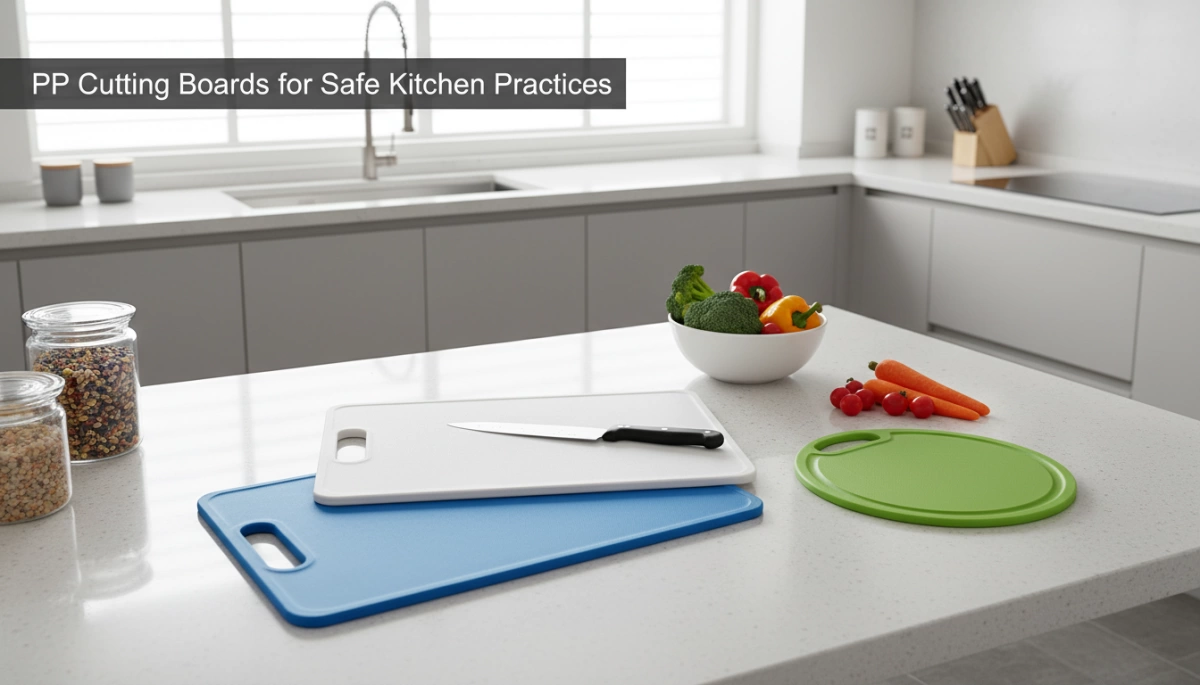
When it comes to kitchen safety, we don’t rely on guesswork. Major food safety authorities, including the USDA and FDA, consistently highlight the importance of using non-porous surfaces for handling high-risk foods. This is why we ensure every FDA approved plastic cutting board we manufacture meets strict compliance standards. Unlike porous materials that can trap microscopic pathogens, high-quality polypropylene provides a sealed surface that makes sanitization straightforward and effective.
Best Practices for Cross-Contamination Prevention
Even with the best antimicrobial technology, operational discipline is key to a safe kitchen. We strongly advise adopting a “zone defense” strategy for your meal prep. You should be choosing the right cutting board for different ingredients to eliminate the risk of transferring bacteria from raw meats to fresh produce.
Follow these standard safety protocols:
- Dedicate Boards: Assign specific colors or board types for raw poultry, red meat, and vegetables.
- Sanitize Immediately: Wash your hygienic cutting board with hot, soapy water or run it through a dishwasher cycle immediately after use.
- Dry Thoroughly: Bacteria thrive in moisture; ensure your boards are stored vertically in a dry area with good airflow.
When to Upgrade or Replace Your Board
While our boards are engineered for durability—tested to withstand over 10,000 cuts without significant wear—no kitchen tool lasts forever. Inspect your equipment regularly to maintain a cross-contamination prevention board standard.
Signs it is time to replace your board:
- Deep Grooving: If knife scars become deep enough to catch a fingernail, they become difficult to clean manually.
- Surface Instability: If the board warps or no longer sits flat (though our high-load bearing design minimizes this), it becomes a safety hazard for knife work.
- Persistent Staining: While PP is stain-resistant, excessive discoloration after years of heavy use can indicate surface degradation.
Frequently Asked Questions
Are PP cutting boards truly safer than wood?
Yes, especially when preventing cross-contamination. Unlike wood, which is porous and can trap bacteria deep within its grain, a hygienic plastic chopping board features a non-porous surface that repels liquids and germs. At Calmchop, we take this a step further by integrating Silver-ion antimicrobial technology into our materials, which is 99.9% effective against bacteria, making PP cutting board benefits clear for safety-focused kitchens.
Can polypropylene cutting boards go in the dishwasher?
Absolutely. One of the biggest advantages of a dishwasher safe cutting board made from polypropylene is its high heat tolerance. You can sanitize these boards in the dishwasher without worrying about warping or cracking, ensuring a thorough clean after handling raw meat. For commercial needs, our wholesale custom plastic cutting boards with juice grooves are designed to withstand rigorous daily washing cycles while maintaining their structural integrity.
Do PP boards release microplastics?
While lower-grade plastics can degrade quickly, a high-density knife-friendly plastic board is engineered to resist deep scratching. By minimizing deep grooves where knife blades can tear the material, we significantly reduce the risk of microplastics. Our boards are tested to withstand over 10,000 cuts, ensuring the surface remains smooth and safe for food contact over time.
How long do high-quality PP cutting boards last?
A durable modern chopping board made from premium polypropylene is built for longevity. With proper care, these boards can last for years, even in busy environments. We focus on high load-bearing capacity and wear resistance, meaning you won’t need frequent replacements. To understand how durability impacts long-term costs, check our insights on 2026 plastic cutting board trends and commercial upgrades.
What certifications should I look for in a safe PP cutting board?
Always verify that the product is an FDA approved plastic cutting board and explicitly labeled as a BPA-free cutting board. These certifications guarantee that the materials are non-toxic and safe for direct food contact. Additionally, look for manufacturers with ISO 9001 quality management standards to ensure consistent production safety and stain-resistant polypropylene board performance.
 English
  German
  Turkish
  Italian
  Russian
  Polish
  Arabic
  French
  Malay
Malay  Japanese
  Korean
  Thai
Thai